 English
 русский
 Tiếng Việt
Content
- 1 What Actually Wears a Refrigeration Compressor Out
- 2 The Five Variables That Decide Compressor Lifespan
- 3 Suction Superheat: The Number Most Sites Get Wrong
- 4 Oil Management: Level, Pressure, and Separation
- 5 Discharge Temperature: Keep It Under 110°C
- 6 Condensing Pressure: Both Too High and Too Low Cost You
- 7 Match the Compressor to the Load
- 8 Electrical and Control Settings
- 9 A Maintenance Schedule That Fits Real Sites
- 10 Warning Signs and Repair-or-Replace Decisions
- 11 Frequently Asked Questions
A semi-hermetic compressor that is correctly sized, fed clean refrigerant, and kept inside its operating envelope can run 15 to 20 years. The same unit installed with a 3 K superheat error, a partly blocked oil return line, or a pressure switch that short-cycles it every 90 seconds often fails in 4 to 6 years. The hardware is rarely the deciding factor. What decides compressor lifespan is how the machine is operated, how the oil is managed, and whether maintenance is driven by real measurements instead of guesswork.
If you want the short version: control suction superheat, protect oil return and oil quality, keep discharge temperature below 110°C, hold condensing pressure near design, and limit starts to six per hour. Those five habits account for most of the difference between a compressor that reaches its twentieth year and one that is replaced before its sixth. The rest of this article explains what each one means in practice, which values to record, and how to spot trouble before it becomes a failure.
What Actually Wears a Refrigeration Compressor Out
A refrigeration compressor rarely dies from one dramatic event. Field service records usually point to a small number of failure paths: liquid slugging, oil starvation, high discharge temperature, electrical stress from short cycling, and contamination inside the circuit. The first two categories alone account for roughly 60% of premature failures in semi-hermetic units, and both are preventable with routine measurements.
The split above is representative rather than exact, but it matches what most service teams see: the majority of failures trace back to the suction side and the oil circuit. That is good news, because both areas respond well to regular checks and small corrections.
The Five Variables That Decide Compressor Lifespan
Before listing maintenance tasks, it helps to know which measurements actually predict failure. The table below summarizes the five variables worth tracking on any commercial refrigeration system.
| Variable | Healthy target | What goes wrong | Typical effect on life |
|---|---|---|---|
| Suction superheat | 5 to 10 K at the evaporator outlet | Liquid droplets reach the cylinder, wash oil off the bearings, and damage valves | 30% to 50% shorter life |
| Oil level and oil quality | One-quarter to three-quarters of the sight glass; oil pressure differential above the manufacturer's minimum | Bearings and shaft seal run dry; acid and moisture build up in the oil | Bearing failure within 2 to 4 years |
| Discharge temperature | Below 110°C, with short peaks no higher than 125°C | Oil carbonizes, valve plates distort, and capacity drops | 20% to 40% shorter life |
| Condensing pressure | Within about 10% of design condensing temperature | High side raises discharge temperature; low side starves the evaporator and weakens oil return | 10% to 30% shorter life |
| Starts per hour | Six or fewer, with a minimum run time of 5 to 10 minutes | Motor windings and contactors absorb repeated inrush current | 15% to 35% shorter life |
None of these values requires expensive instrumentation. A calibrated thermometer, a pressure gauge set, an oil pressure gauge, and a clamp meter will cover all five.
Suction Superheat: The Number Most Sites Get Wrong
Superheat is the difference between the refrigerant temperature at the evaporator outlet and the saturated temperature at the same pressure. For most commercial refrigeration systems, 5 to 10 K is the working range. Below 5 K, liquid droplets can travel back to the compressor, dilute the oil film on the bearings, and break valve plates. Above 12 K, the evaporator is starved, the compressor runs hotter, and capacity falls even though the motor draws less current.
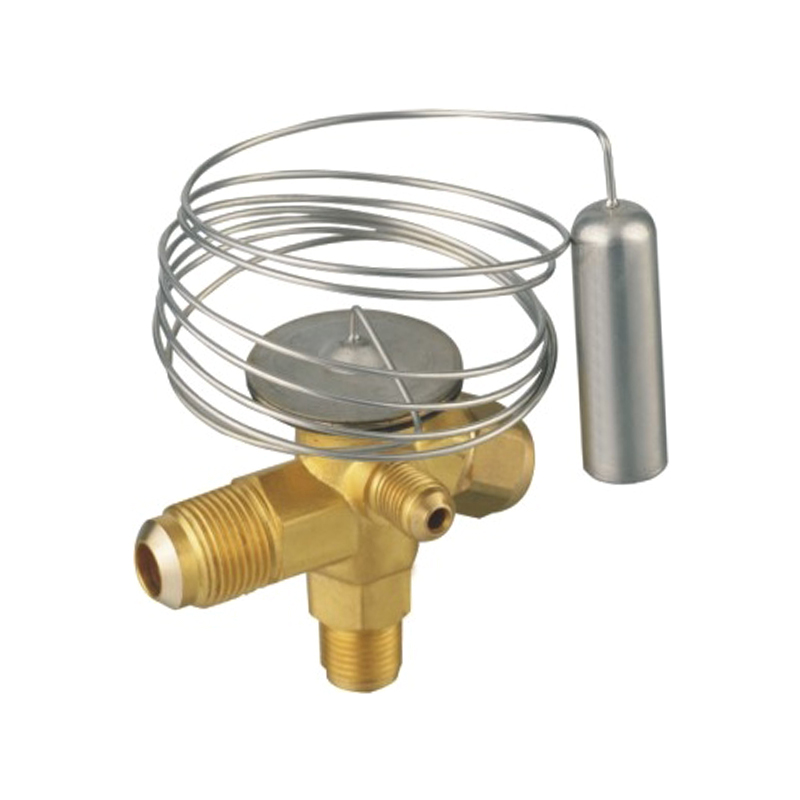
Measure superheat with a calibrated probe and a pressure gauge, not by feel. Check it after every expansion valve adjustment and after any change in load, defrost settings, or refrigerant charge. If superheat swings during the pull-down cycle, the valve may be oversized or the sensing bulb may be poorly clamped. Crankcase heaters should keep oil temperature at least 10 K above the saturated temperature that corresponds to crankcase pressure during shutdown; that single detail prevents most liquid migration problems on systems that cycle on and off.
When superheat and pressure readings move together in an unusual pattern, it often helps to compare them against known fault signatures. A practical example is this guide to cold storage refrigeration system fault analysis, which walks through the readings that separate a charge problem from a valve problem.
Oil Management: Level, Pressure, and Separation
Oil performs four jobs at once: lubrication, sealing, cooling, and carrying wear particles toward the filter. Running a compressor with the wrong oil level, or with refrigerant dissolved in the oil, is one of the fastest ways to destroy bearings.
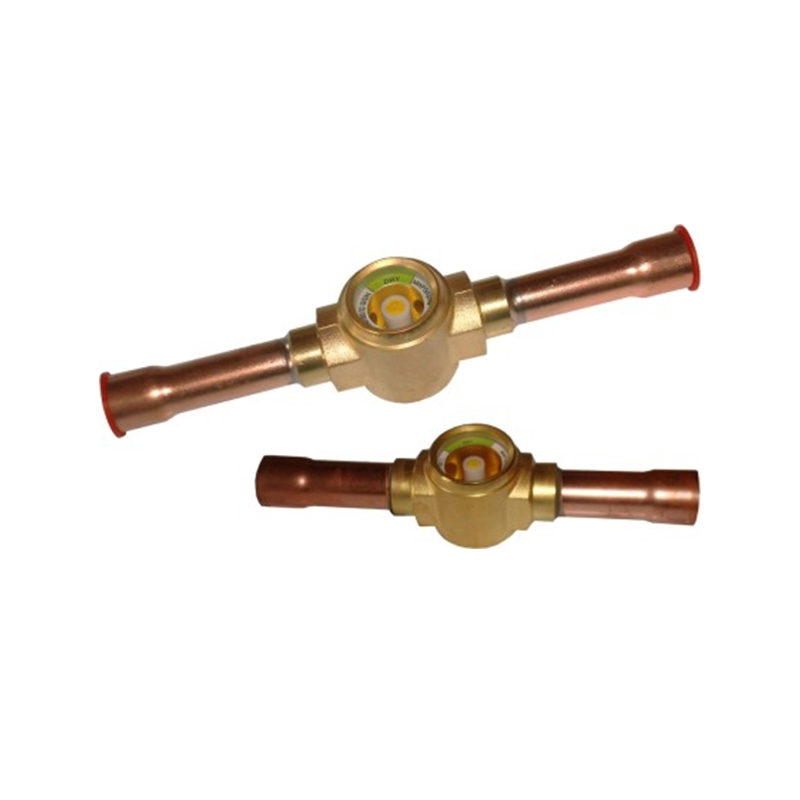
Check the oil sight glass daily. While the compressor is running, the level should sit between one-quarter and three-quarters of the glass. A level that drops between checks points to poor oil return or an undersized separator. Oil pressure differential, the difference between oil pump discharge pressure and crankcase pressure, should stay above the manufacturer's minimum, commonly around 0.15 to 0.35 MPa on semi-hermetic units.
An oil separator that is matched to the system and mounted correctly keeps most of the oil in circulation instead of letting it coat the evaporator. Poor separation shows up as a low oil level, a cold suction line, and a gradual loss of capacity. If the separator is undersized or the return orifice is blocked, no amount of oil added to the crankcase will solve the problem.
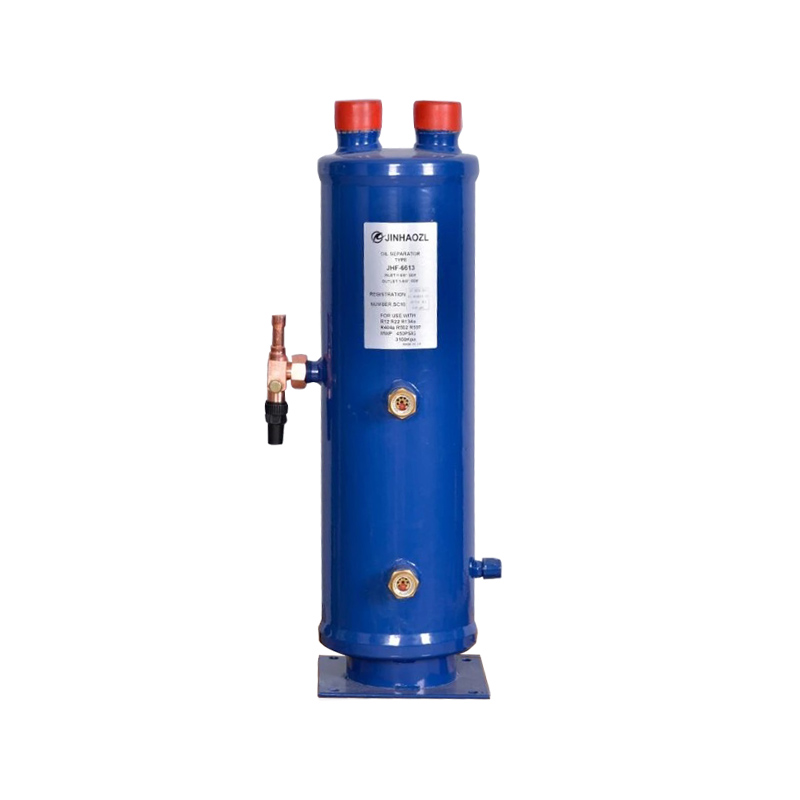 Oil separatorThe function of oil separator is to separate lubricating oil in high-pressure steam discharged from the refrigeration compressor to ensure safe and efficient operation...View Product →
Oil quality matters as much as oil level. Send a sample for acid, moisture, and viscosity testing every 8,000 to 12,000 running hours, or once a year on smaller systems. Dark, gummy oil or a rising acid number means the oil has been overheated or contaminated. Changing it before the next season is far cheaper than replacing a crankshaft.
Discharge Temperature: Keep It Under 110°C
Discharge temperature is the clearest early warning of trouble. On most semi-hermetic compressors, keep it below 110°C when measured about 100 mm from the discharge valve. Short excursions to 125°C are sometimes allowed, but sustained operation above that range carbonizes the oil, distorts valve plates, and accelerates bearing wear.
Three conditions push discharge temperature up: high condensing pressure, high suction superheat, and a large compression ratio. A dirty condenser, a fan that has lost a blade, or a water-cooled unit with fouled tubes all raise the condensing side. Low refrigerant charge raises superheat and lowers suction pressure at the same time, which is a double hit. If the application genuinely requires a wide compression ratio, liquid injection or an economizer can help, but the first step is always to restore normal condensing and superheat values.
Condensing Pressure: Both Too High and Too Low Cost You
Condensing temperature is a direct multiplier on both power consumption and compressor life. Every 1 K increase in condensing temperature raises power draw by roughly 2% to 3% and adds heat load to the oil. High condensing pressure is usually a heat rejection problem: blocked fins, a failing fan motor, scale in a shell-and-tube condenser, or non-condensable gas in the circuit.
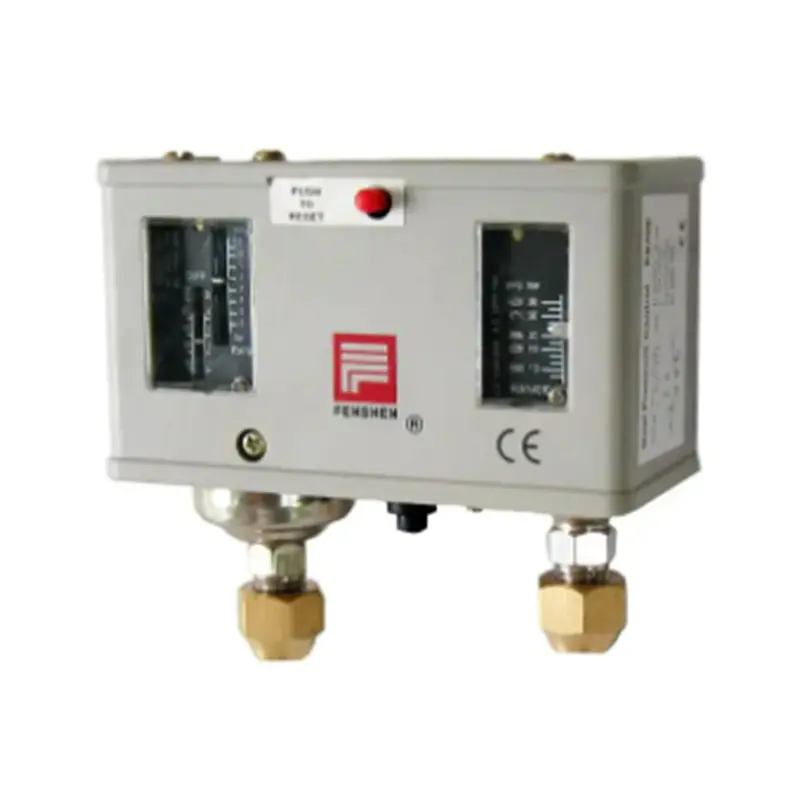
Low condensing pressure is less obvious but equally damaging. It reduces the pressure difference across the expansion valve, starves the evaporator, and weakens oil return. In winter, sites often need a pressure controller or fan-speed control to hold condensing pressure at a minimum. A properly set pressure controller stabilizes the high side instead of letting it swing with outdoor temperature.
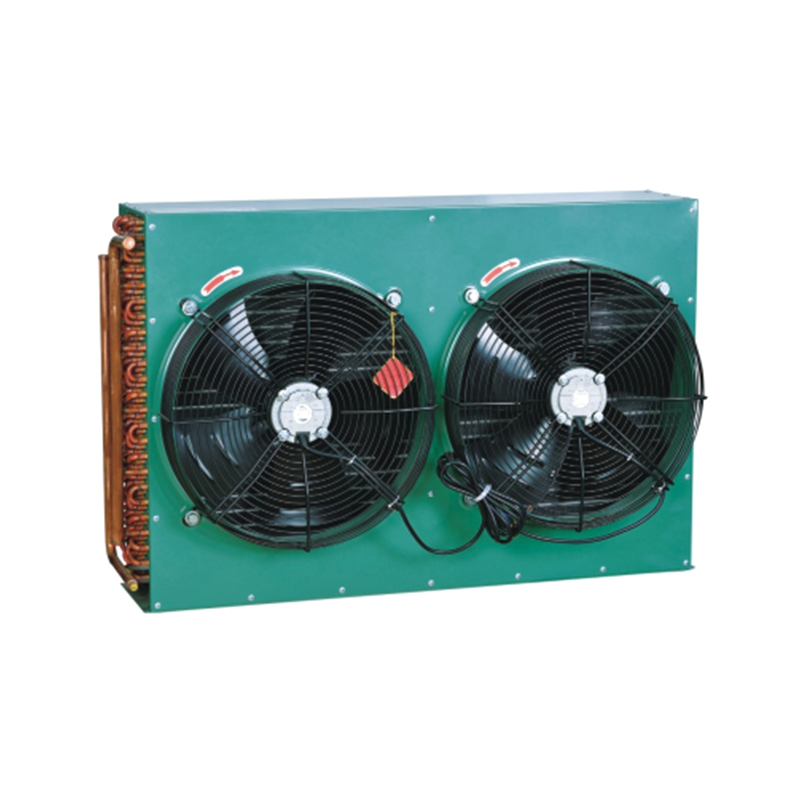
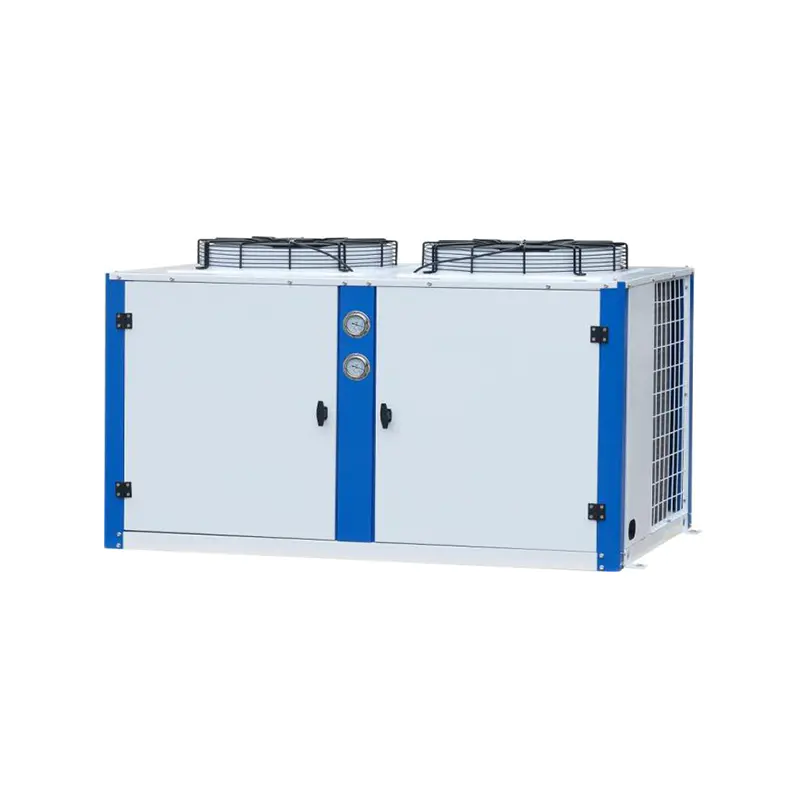
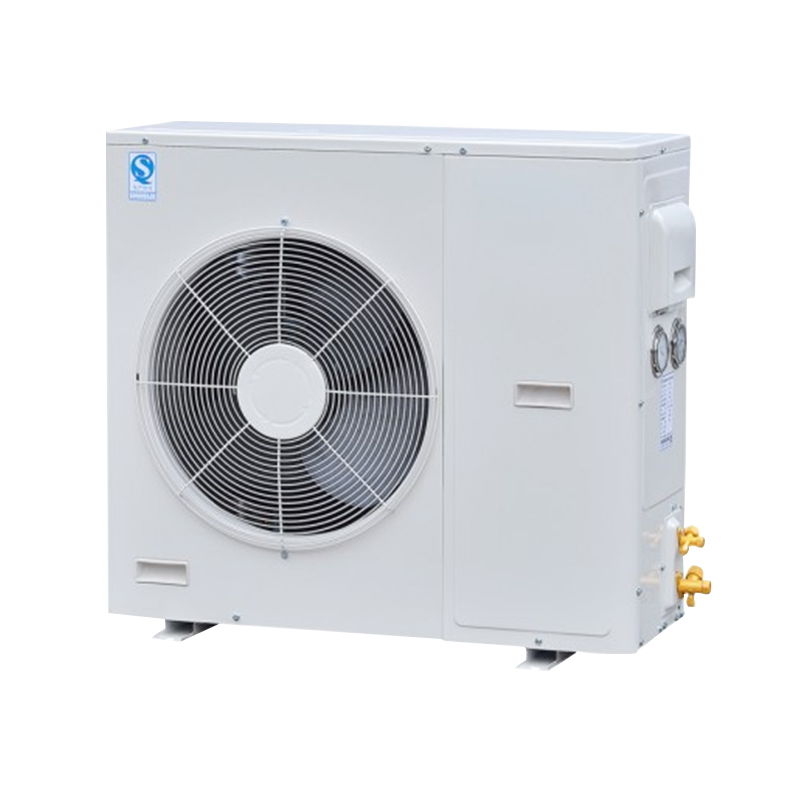
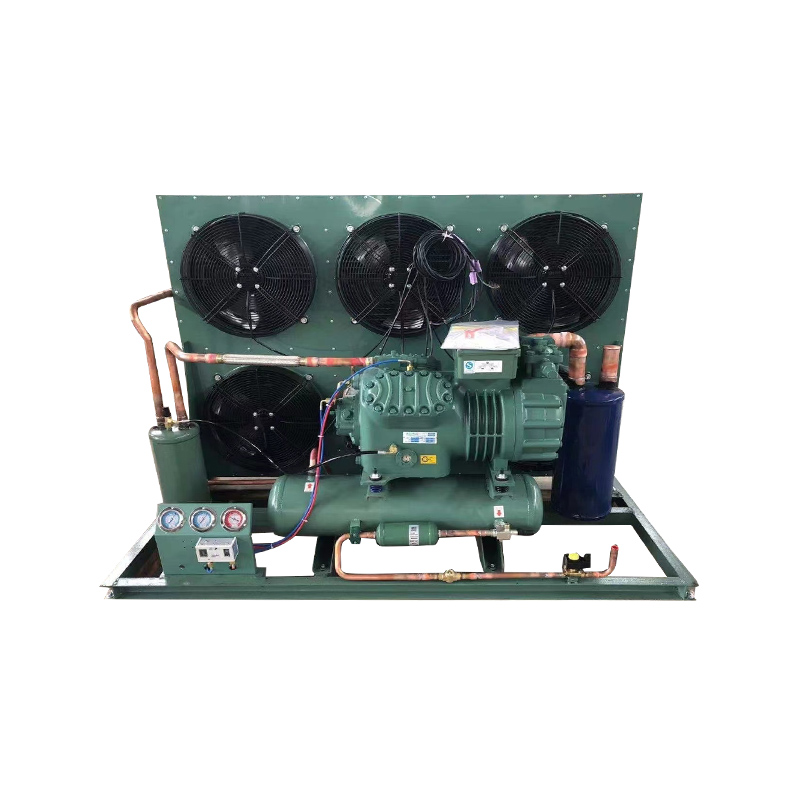 Air-cooled condensing unitAir-cooled unit is a device that achieves cooling by dissipating heat through air. It includes compressors, condensers, evaporators, throttling components and control ...View Product →
For air-cooled systems, the coil and fan package determine how well the high side holds its set point. A unit with the correct face area and fin spacing will hold condensing temperature with less fan cycling, which reduces both noise and energy use. Clean coils monthly in dusty locations and inspect fan blades for cracks or imbalance.
Match the Compressor to the Load
Lifespan starts with selection. A compressor that is too large for the evaporator load will short-cycle; one that is too small will run continuously at a high compression ratio. For low-temperature cold storage, screw compressors are often chosen because they handle high pressure ratios with fewer moving parts and lower vibration. For medium-temperature and smaller systems, scroll and reciprocating semi-hermetic compressors are common.
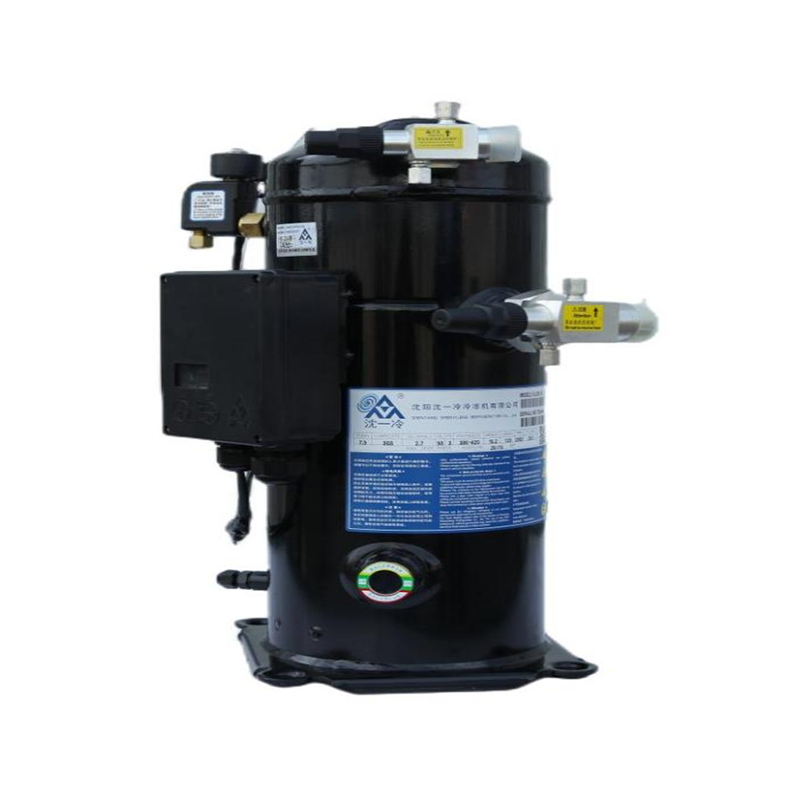
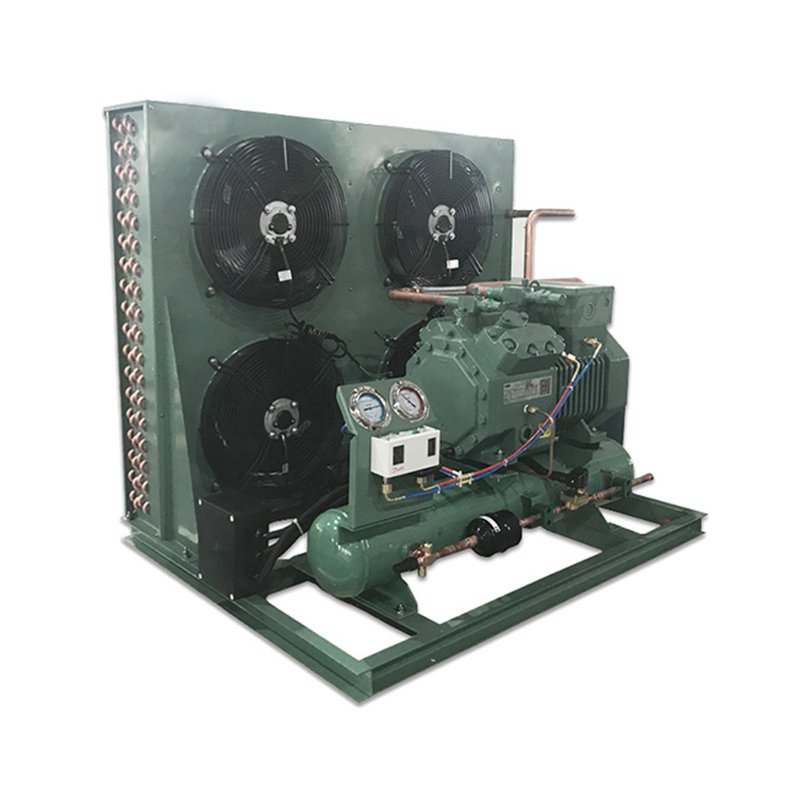
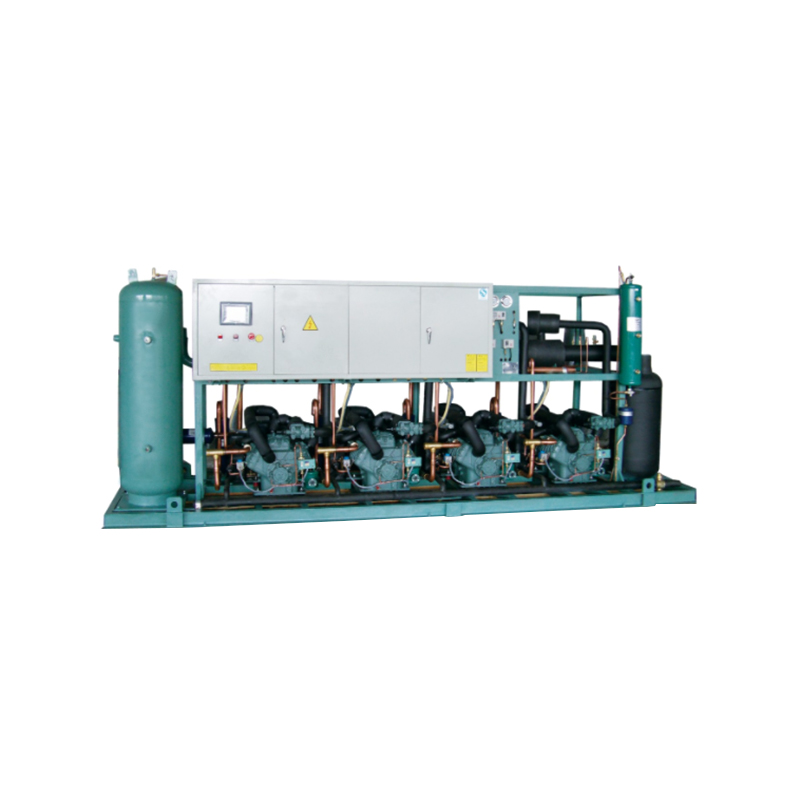
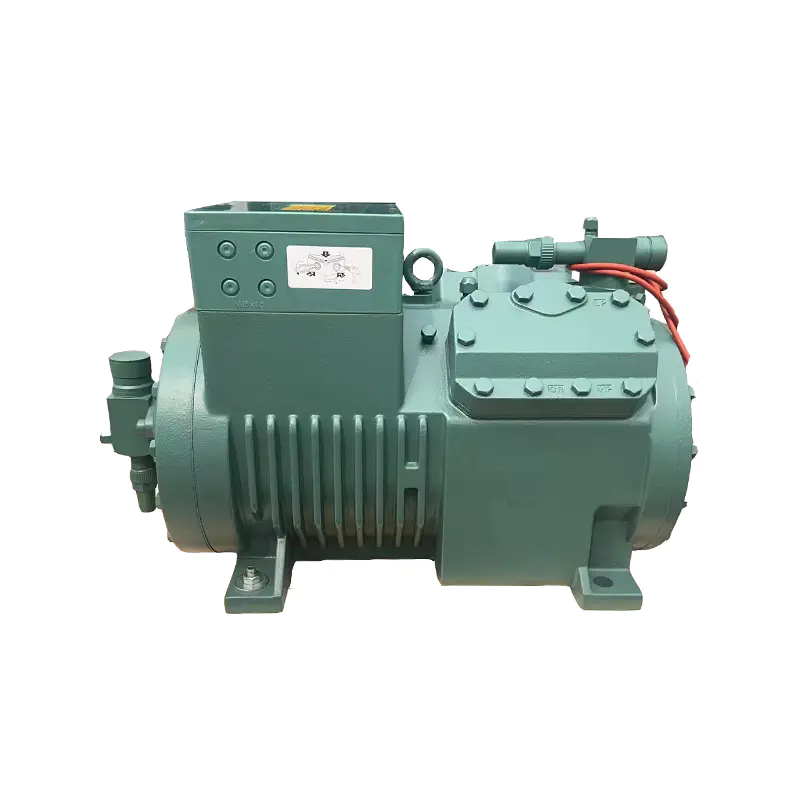 Screw CompressorThe screw fighter has symmetrical spiral yin and yang rotors in the cylinder. The two rotors each have several concave teeth and rotate in opposite directions to each ...View Product →
Check the published operating envelope before ordering. Suction temperature, discharge temperature, and compression ratio all have limits, and a compressor that runs near the edge of its envelope will not reach the same service life as one running comfortably inside it. Oversizing is a common mistake in cold rooms that are expanded in stages; if the load will grow, plan the compressor selection around the final load rather than the first phase.
Electrical and Control Settings
Motors fail from heat, and heat comes from current. Keep voltage within plus or minus 10% of nameplate, phase imbalance below 2%, and current imbalance below 10%. A 2% voltage imbalance can produce a much larger current imbalance in a three-phase motor, which raises winding temperature and shortens insulation life.
Short cycling is the other silent killer. Each start draws locked-rotor current and sends a mechanical shock through the shaft and valves. Aim for no more than six starts per hour and a minimum run time of 5 to 10 minutes. Set pressure switch differentials and anti-short-cycle timers to match the system volume, and use unloading or soft-start where available. If the compressor starts and stops with the cold room door, fix the control logic rather than blaming the compressor.
A Maintenance Schedule That Fits Real Sites
The schedule below is built around measurements that a technician can take in under an hour. Adjust the intervals for dirty environments, high ambient temperatures, and heavy seasonal loads.
| Interval | Task | What to record |
|---|---|---|
| Daily | Check oil level, suction and discharge pressures, discharge temperature, and unusual noise | Oil level, pressures, discharge temperature |
| Weekly | Clean condenser fins, inspect sight glass for bubbles or moisture, verify crankcase heater operation | Condenser condition, sight glass result |
| Monthly | Measure oil pressure differential, motor current, voltage, and phase imbalance; tighten terminals | Oil pressure, amps, volts, imbalance |
| Quarterly | Verify superheat, check oil separator return, inspect contactors and overload settings | Superheat, return line temperature |
| Annually | Send oil for acid and moisture testing, inspect valves and unloaders, measure insulation resistance, deep-clean the condenser | Oil test report, insulation values |
The bars above are illustrative, but the pattern is consistent across service records: planned maintenance with recorded data adds years of service life, while reactive repairs reduce it. The cost of an annual oil test is small compared with a single bearing failure.
Warning Signs and Repair-or-Replace Decisions
Watch for these signals. They rarely appear alone, and each one points to a specific area to check:
- Motor current rising more than 10% above the commissioning value, which suggests bearing wear or high condensing pressure.
- Oil pressure differential falling toward the minimum, which points to a worn oil pump, a blocked filter, or refrigerant in the oil.
- Discharge temperature staying above 115°C after the condenser has been cleaned and superheat has been corrected.
- New noise or vibration at the shaft end, which can indicate coupling wear or internal bearing damage.
- Oil that turns dark within a few hundred running hours after a change, which suggests overheating or contamination.
A compressor with one of these symptoms is usually worth repairing if the unit is less than ten years old and the operating envelope is comfortable. If the same failure has repeated within two years, or if the compressor is already near the end of its expected life, replacement with a correctly sized unit is the better financial decision.
Frequently Asked Questions
How long should a semi-hermetic refrigeration compressor last?
With correct sizing, stable superheat, clean oil, and a planned maintenance schedule, 15 to 20 years is a realistic target. Units that short-cycle, run with high discharge temperatures, or operate with low oil levels often fail within 5 to 8 years.
What is the single most important measurement to track?
Suction superheat, because it reveals liquid return, charge problems, and expansion valve issues at the same time. If superheat is stable and within 5 to 10 K, most other values tend to stay in range as well.
Can I extend compressor life by adding oil more often?
Adding oil treats a symptom, not the cause. If the oil level keeps dropping, find out where the oil is going: poor separation, a blocked return orifice, or low gas velocity in the suction line. Fix the oil return path before adding more oil.
Does a lower condensing pressure always save energy?
Up to a point. Below the minimum condensing pressure recommended for the system, the expansion valve loses its pressure difference, the evaporator starves, and oil return weakens. Use a pressure controller or fan-speed control to hold a safe minimum.
How often should compressor oil be tested?
Every 8,000 to 12,000 running hours on industrial systems, or once a year on smaller commercial units. Test sooner after any overheating event, refrigerant leak, or major repair.
Extending compressor lifespan is not about one heroic maintenance action. It is about keeping five values inside their normal ranges, recording them consistently, and correcting small deviations before they turn into a failed valve plate or a seized bearing. Start with superheat and oil return, add discharge temperature and condensing pressure to the daily log, and control how often the compressor starts. Those habits will do more for service life than any single component upgrade.