 English
 русский
 Tiếng Việt
Content
- 1 The Most Likely Reasons Your Evaporator Stops Cooling
- 2 Ice Build-Up: The Most Overlooked Performance Killer
- 3 Dirty Fins and Blocked Airflow in the Air Cooler
- 4 Refrigerant Loss and What It Means for the Whole System
- 5 How a Failing Compressor Affects Evaporator Performance
- 6 Condenser Problems That Starve the Evaporator
- 7 Expansion Valve Issues: When Refrigerant Flow Is Unbalanced
- 8 System-Level Checks Before Replacing Any Component
- 9 Evaporator Selection and Cold Room Matching
- 10 Water Chiller Evaporators: Different Failure Patterns
- 11 Preventive Maintenance Schedule That Keeps Evaporators Running
If your evaporator is not cooling properly, the most common causes are ice build-up on the coils, a dirty or blocked air cooler, refrigerant leakage, a failing compressor, or a malfunctioning condenser. Identifying which component is responsible — and acting quickly — prevents product loss in cold rooms and reduces energy waste across the entire refrigeration system.
The Most Likely Reasons Your Evaporator Stops Cooling
The evaporator is the heat-exchange core of every refrigeration system. It absorbs heat from the storage space and transfers it to the refrigerant circulating through the coils. When this process breaks down, temperatures rise fast. Below are the six most frequent failure points engineers and technicians encounter in cold rooms, refrigeration storage facilities, and industrial water chiller systems.
| Cause | Typical Symptom | Urgency |
|---|---|---|
| Ice / frost build-up on coils | Airflow blocked, temperature rises slowly | High |
| Dirty air cooler fins | Reduced airflow, warm air at outlet | Medium |
| Refrigerant leak | System runs continuously, never reaches setpoint | High |
| Faulty compressor | High discharge temperature, low suction pressure | Critical |
| Condenser fouling | High condensing pressure, compressor overload | Medium–High |
| Expansion valve failure | Fluctuating suction pressure, superheat too high or too low | High |
Ice Build-Up: The Most Overlooked Performance Killer
Frost accumulation is responsible for a significant share of evaporator cooling failures in cold rooms and refrigeration storage environments. When the defrost cycle fails — or is set too infrequently — ice coats the copper tubes and aluminum fins. Even a 3 mm layer of frost can reduce heat exchange efficiency by up to 30%. The air cooler fan continues running, but moves air against a solid wall of ice rather than through open fins.
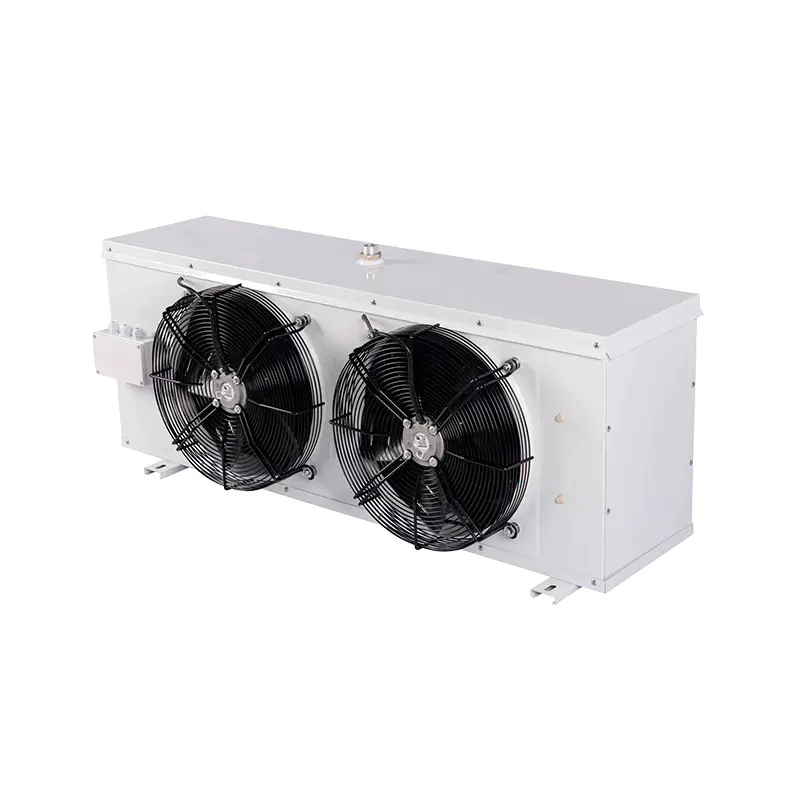
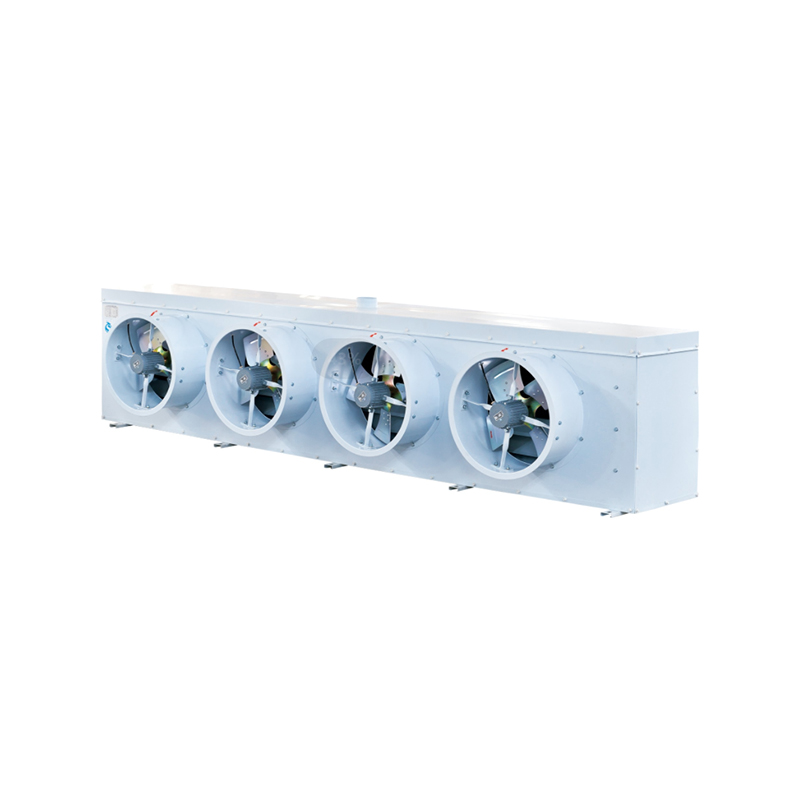
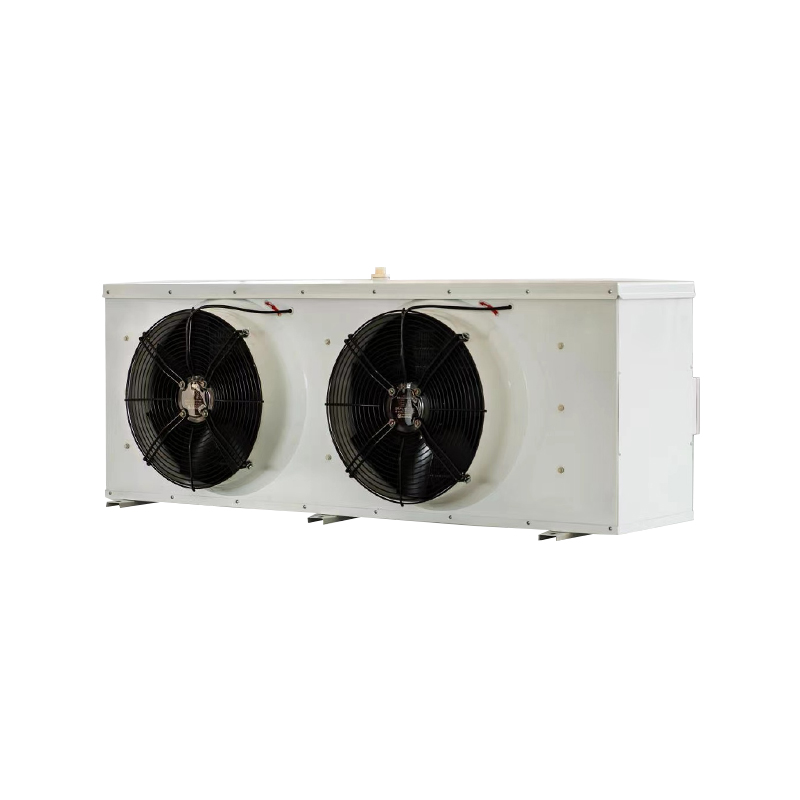
Check whether the defrost timer or defrost heater is functioning. For systems using DL-series evaporators (designed for temperatures near 0°C) or DD-series units (cold storage at -18°C), defrost intervals should be calibrated to actual humidity load — not simply set to a fixed schedule at installation and forgotten.
Dirty Fins and Blocked Airflow in the Air Cooler
An air cooler that has not been cleaned regularly accumulates dust, grease, and debris on its fin surface. This layer acts as insulation, preventing warm room air from making direct contact with the refrigerant-cooled coils. The result is reduced heat exchange and higher room temperatures despite the compressor running at full capacity.
For commercial cold rooms, a cleaning interval of every 3 to 6 months is generally recommended. In food-processing environments where grease and particulates are present, monthly inspection is more appropriate. A pressure wash with a fin-safe cleaner typically restores airflow within minutes.
Refrigerant Loss and What It Means for the Whole System
A refrigerant leak does not just affect the evaporator — it undermines the entire refrigeration loop. The compressor works harder to maintain pressure, the condenser operates at abnormal temperatures, and the evaporator receives insufficient refrigerant to absorb the required heat load. Suction pressure drops below normal range, and the system runs continuously without reaching the target temperature.
Leak detection should be performed with an electronic refrigerant detector or UV dye. Once identified, the leak must be repaired and the system recharged to the manufacturer's specified pressure. Attempting to "top up" refrigerant without finding the leak only delays the next failure. In a properly sealed system, refrigerant levels should remain stable for years.
How a Failing Compressor Affects Evaporator Performance
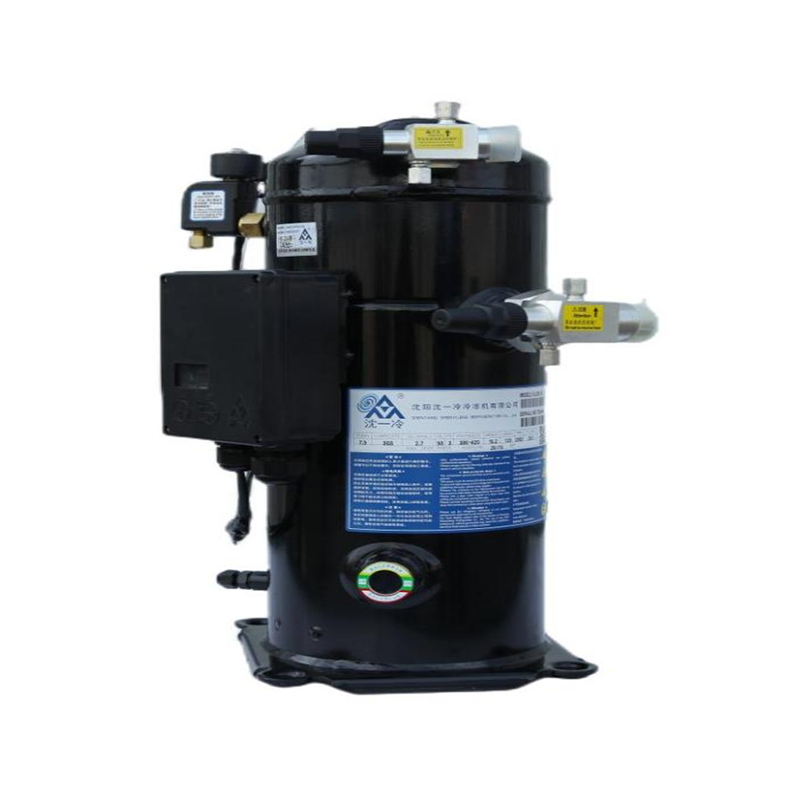
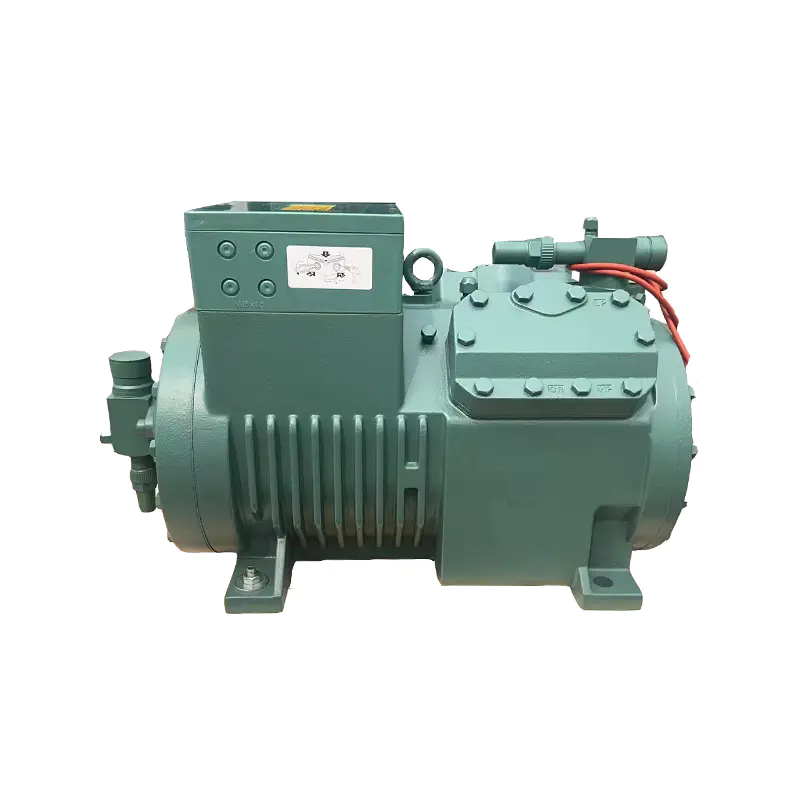
The compressor is the driving force of the refrigeration cycle. It pulls low-pressure refrigerant vapor from the evaporator, compresses it to high pressure, and sends it to the condenser. When a compressor begins to fail — due to worn valves, oil contamination, or electrical faults — suction pressure drops and the evaporator cannot draw sufficient refrigerant. Cooling capacity falls sharply.
Signs of compressor trouble include abnormally high discharge temperature (above 120°C in many systems), low suction pressure readings, unusual noise during operation, and frequent thermal cutout trips. Reciprocating and screw compressors each show these symptoms differently; screw units tend to develop vibration and oil carry-over issues before complete failure, while piston compressors often show valve wear first.
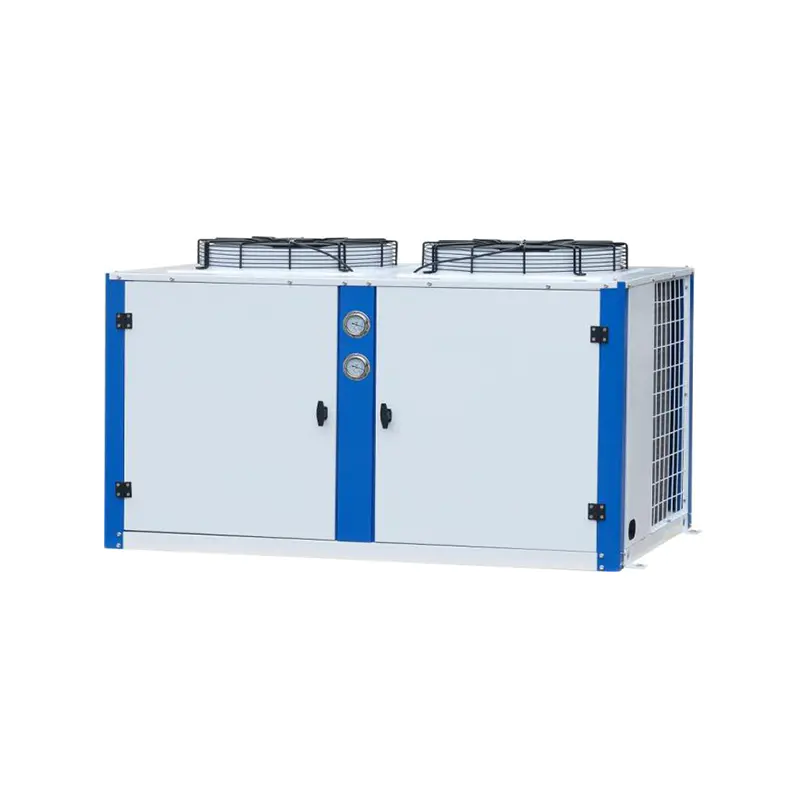
In condensing unit configurations — where the compressor and condenser share a single outdoor assembly — a compressor problem can be misread as a condenser issue. Always measure suction and discharge pressures together before drawing conclusions.
Condenser Problems That Starve the Evaporator
The condenser releases heat absorbed by the refrigerant into the ambient environment. When the condenser is fouled with dust or debris, or when ambient temperature around the condensing unit is too high, condensing pressure rises. Elevated condensing pressure forces the compressor to work against higher back-pressure, reducing the amount of refrigerant pushed through the expansion valve and into the evaporator. Less refrigerant in the evaporator means less cooling.
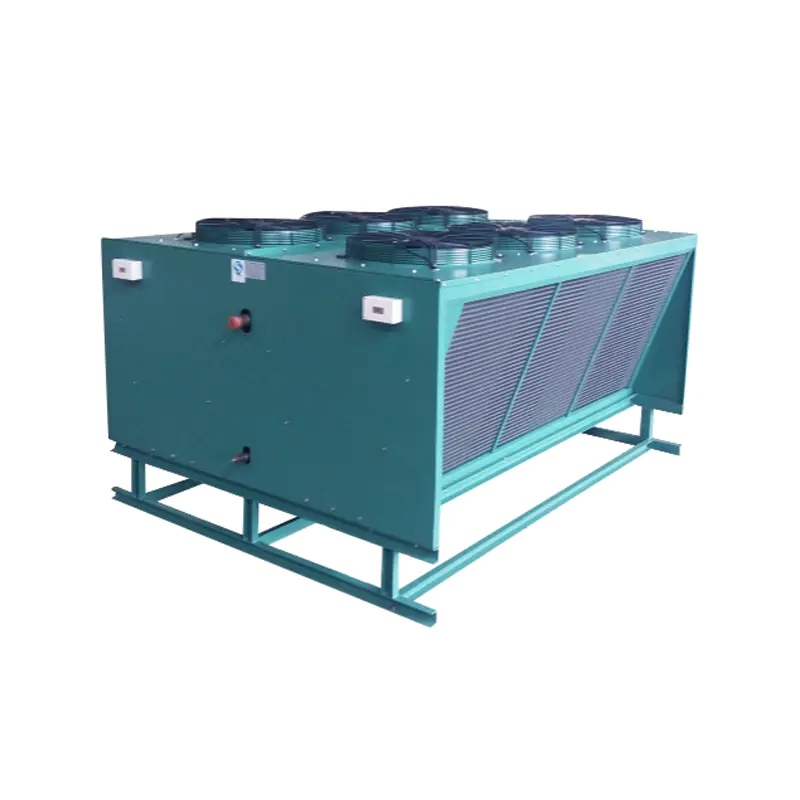
For air-cooled condensers, ensure a minimum clearance of 1 meter around the unit for adequate airflow. V-type and flat-plate air-cooled condenser designs — common in modern refrigeration accessories — use staggered coil layouts and phosphate-treated steel shells to resist corrosion and maintain heat transfer over time. Even the best condenser design, however, requires periodic fin cleaning.
Expansion Valve Issues: When Refrigerant Flow Is Unbalanced
The expansion valve meters refrigerant flow into the evaporator. If it sticks open, liquid refrigerant floods the evaporator and can damage the compressor through liquid slugging. If it sticks closed or becomes partially blocked, the evaporator receives too little refrigerant, and cooling output drops. Both conditions produce abnormal superheat readings.
Thermostatic expansion valves (TXV) and electronic expansion valves (EEV) each require different diagnostic approaches. A TXV with a damaged sensing bulb will read incorrect evaporator outlet temperature and regulate incorrectly. An EEV with a faulty stepper motor may not open fully. In either case, the evaporator coil surface temperature will be uneven — hot and cold patches indicating unequal refrigerant distribution.
System-Level Checks Before Replacing Any Component
Before ordering parts, run through these measurements in sequence. They give a clear picture of where the fault actually sits.
| Check Point | Tool Required | What to Look For |
|---|---|---|
| Suction pressure | Manifold gauge set | Compare to refrigerant saturation table at evaporator temperature |
| Discharge pressure | Manifold gauge set | Elevated values suggest condenser or compressor issue |
| Superheat at evaporator outlet | Clamp thermometer + pressure gauge | 5–10°C is typical; too high suggests flow restriction |
| Subcooling at condenser outlet | Clamp thermometer + pressure gauge | 3–8°C is typical; very low suggests refrigerant shortage |
| Evaporator fin surface temperature | Infrared thermometer | Uneven distribution indicates blocked or flooded coil |
| Compressor amp draw | Clamp ammeter | Compare to nameplate rating; high draw suggests mechanical stress |
Evaporator Selection and Cold Room Matching
Many cooling problems originate not from component failure but from mismatched equipment. An evaporator sized for a 0°C fresh-keeping warehouse will perform poorly if installed in a quick-freezing room requiring -25°C. Brozer's DL-series evaporators are designed for temperatures near 0°C and suit fresh vegetable and egg storage. The DD-series targets cold storage at -18°C for frozen goods. The DJ-series handles rapid freezing environments below -25°C, with higher refrigerant flow and larger fin spacing to handle heavy frost loads.
Beyond temperature range, cooling capacity must be matched to room volume, insulation quality, and product heat load. A 200 m³ cold room with daily product turnover will require a significantly different evaporator capacity than a static refrigeration storage facility of the same size. When in doubt, working with a Chinese manufacturer HVAC specialist who can calculate heat load from first principles avoids costly oversizing or undersizing.
Water Chiller Evaporators: Different Failure Patterns
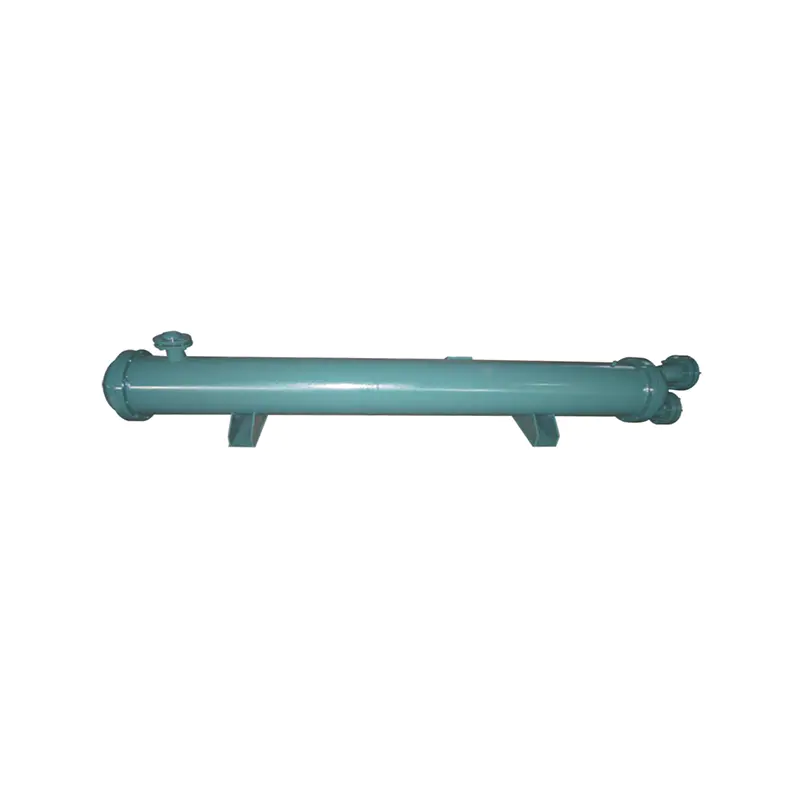
In water chiller applications, the evaporator operates as a shell-and-tube or plate heat exchanger. Instead of cooling air directly, it cools a water circuit that then distributes cooling to the facility. Failure patterns differ from air-cooled evaporators. Scaling and mineral fouling inside the tubes is the primary concern — a 1 mm calcium deposit on tube walls reduces heat transfer efficiency by approximately 10%. Regular water treatment and periodic acid cleaning of the chiller evaporator are essential maintenance tasks.
Flow rate matters as much as temperature in chiller circuits. If chilled water flow drops below the design rate — due to pump wear, valve restriction, or air locks — the evaporator cannot transfer its rated heat load. Always verify chilled water flow alongside refrigerant pressures when diagnosing a water chiller cooling problem.
Preventive Maintenance Schedule That Keeps Evaporators Running
A reactive maintenance approach — fixing things only when they fail — is the most expensive strategy for any refrigeration system. Cold rooms that lose temperature even briefly risk spoiling thousands of dollars of perishable goods. A structured maintenance schedule reduces emergency repair costs and extends equipment life significantly.
| Frequency | Task |
|---|---|
| Weekly | Visual inspection of evaporator for ice build-up; verify defrost cycle is completing |
| Monthly | Clean air cooler fins; check fan motor current; inspect drain pan and drain line |
| Quarterly | Record suction and discharge pressures; inspect condensing unit for debris; check refrigerant sight glass |
| Annually | Full refrigerant leak test; compressor valve inspection; condenser coil deep clean; check all refrigeration accessories for wear |
Consistent documentation of pressure readings and temperatures over time makes abnormalities easy to spot before they become failures. A unit that normally runs at 7 bar discharge pressure and suddenly reads 9 bar tells a technician exactly where to look — without guesswork.