 English
 русский
 Tiếng Việt
Content
- 1 Start With Room Volume and Temperature Zone
- 2 Apply Correction Factors Before You Order
- 3 Ambient Temperature Has a Direct Impact on Capacity
- 4 Match the Compressor Type to Your Cold Room Scale
- 5 The Role of the Evaporator and Air Cooler
- 6 Refrigerant Choice Affects Long-Term Performance
- 7 Quick Sizing Reference by Common Cold Room Sizes
- 8 What to Confirm Before Purchasing a Condensing Unit
- 9 Air-Cooled vs. Water-Cooled Condensing Units
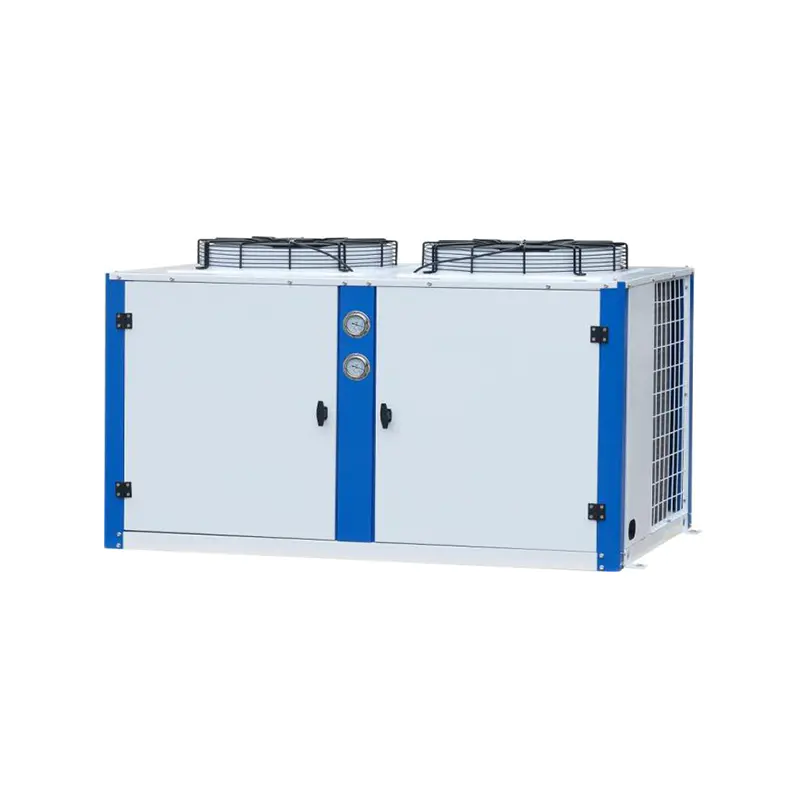
The right condensing unit size for your cold room depends on three core variables: room volume (m³), target storage temperature, and the heat load from products, insulation, and environment. For most commercial cold rooms, the starting benchmark is 65–110 W of cooling capacity per cubic meter of room volume — with adjustments for door frequency, ambient temperature, and whether the unit operates alone or in parallel. Undersizing causes the compressor to run non-stop and fail early; oversizing wastes energy and creates humidity problems. Get the number right first, then choose your compressor and evaporator to match.
Start With Room Volume and Temperature Zone
Measure your cold room's interior dimensions (length × width × height) to get the gross volume in cubic meters. Then identify which temperature zone you need:
| Temperature Zone | Typical Use | Base Load (W/m³) | Evaporating Temp |
|---|---|---|---|
| +2°C to +8°C | Fresh produce, dairy, beverages | 65 W/m³ | -10°C |
| -5°C to 0°C | Fish, meat short-term | 70 W/m³ | -15°C |
| -18°C to -22°C | Frozen foods, ice cream | 90–110 W/m³ | -35°C |
| -25°C and below | Long-term frozen storage | 110+ W/m³ | -40°C or lower |
These base values come from industry-standard cold storage load calculation tables. A lower target temperature demands more work from the compressor — for every 10°C drop in evaporating temperature, compressor capacity typically falls by 20–30%, so the condensing unit must be rated accordingly.
Apply Correction Factors Before You Order
Raw volume times base load gives you a starting point, not a final answer. Apply these multipliers to avoid undersizing:
| Condition | Correction Factor (A) |
|---|---|
| Cold room volume under 30 m³, frequent door opening (e.g., meat or fresh produce) | A = 1.2 |
| Cold room volume 30–100 m³, moderate door traffic | A = 1.1 |
| Cold room volume over 100 m³, controlled access | A = 1.0 |
| Single standalone refrigeration unit (not shared) | Additional B = 1.1 |
Final cooling capacity required: Q = A × B × Q₀, where Q₀ = base load (W/m³) × room volume (m³).
Example: A 20 m³ cold room for fresh meat at +2°C in a busy restaurant kitchen. Q₀ = 65 × 20 = 1,300 W. Apply A = 1.2 (small, frequent opening) and B = 1.1 (single unit): Q = 1.2 × 1.1 × 1,300 = 1,716 W ≈ 1.7 kW. Select a condensing unit rated at least 2.0 kW at the design evaporating temperature.
Ambient Temperature Has a Direct Impact on Capacity
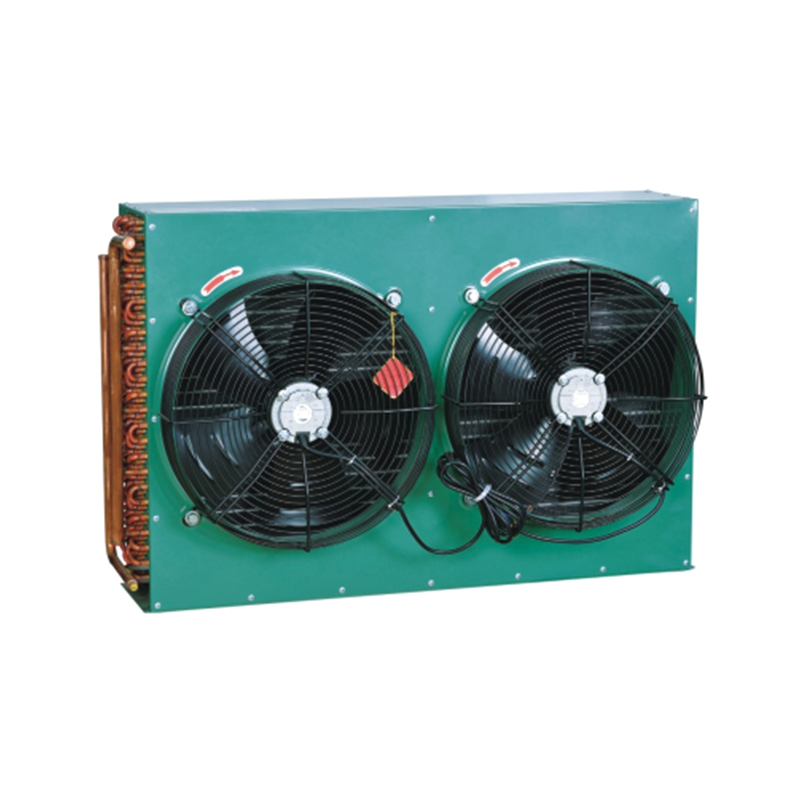
A condensing unit's rated capacity is given at a standard ambient condition — typically 32°C or 35°C. In hot climates or poorly ventilated plant rooms where ambient temperatures exceed 40°C, the condenser's ability to reject heat drops significantly. As a practical rule, derate the unit's stated cooling capacity by 15–20% for every sustained ambient above 40°C, or select one model size up. Always ensure minimum clearance of 150 mm around the condenser for unrestricted airflow; direct sunlight on the condenser coil adds an effective 5–8°C penalty. This is especially important when sourcing from a Chinese manufacturer for tropical or Middle Eastern installations.
Match the Compressor Type to Your Cold Room Scale
Once you have the required cooling capacity in kW, the compressor inside the condensing unit must match the application:
| Cold Room Scale | Compressor Type | Typical Capacity Range |
|---|---|---|
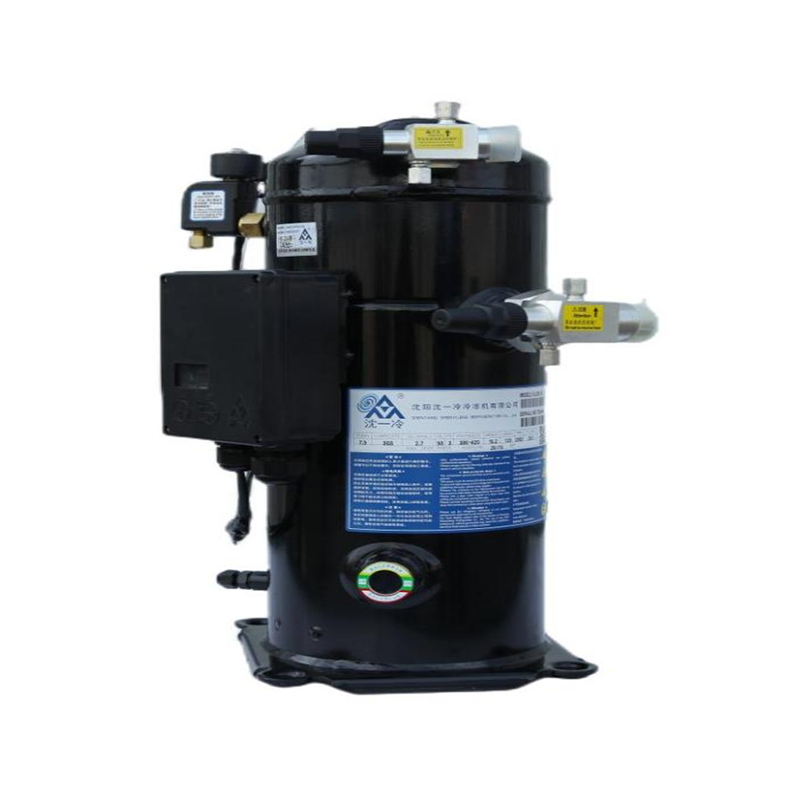
| Small (under 30 m³) | Hermetic (sealed) — scroll or piston | 0.5–5 kW |
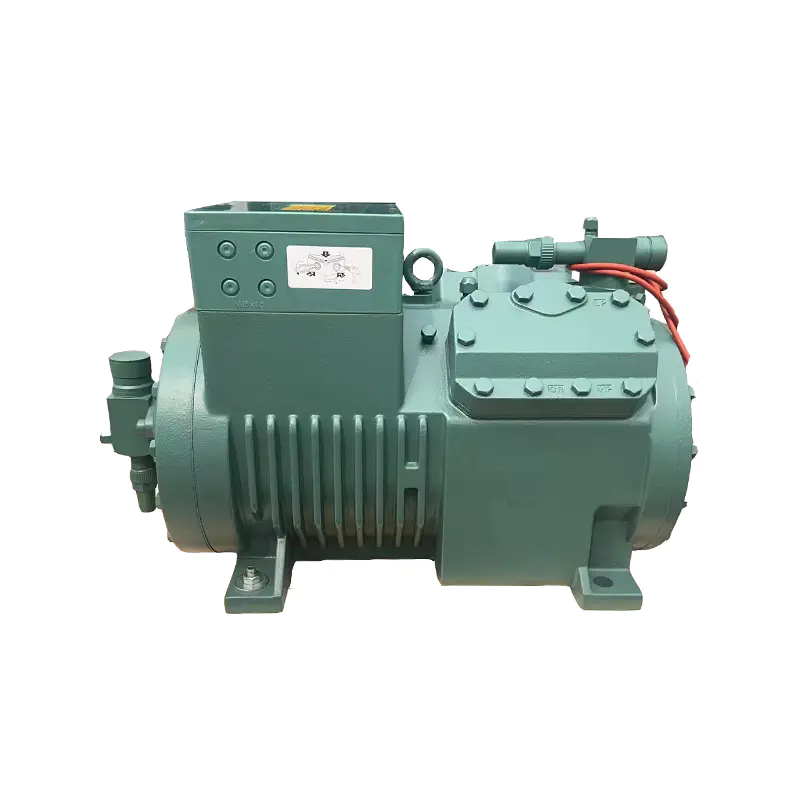
| Medium (30–200 m³) | Semi-hermetic piston | 5–30 kW |
| Large (200 m³ and above) | Parallel compressor unit or screw type | 30 kW+ |
| Blast freezer / pull-down | Screw or two-stage piston compressor | 20 kW+ (application-specific) |
Hermetic compressors are sealed and maintenance-free for everyday use, making them well suited for small refrigeration storage rooms. Semi-hermetic units are field-serviceable — an important advantage for large commercial operations where downtime is costly. For blast freezers in food processing plants, screw or two-stage compressors handle the deep evaporating temperatures required.
The Role of the Evaporator and Air Cooler
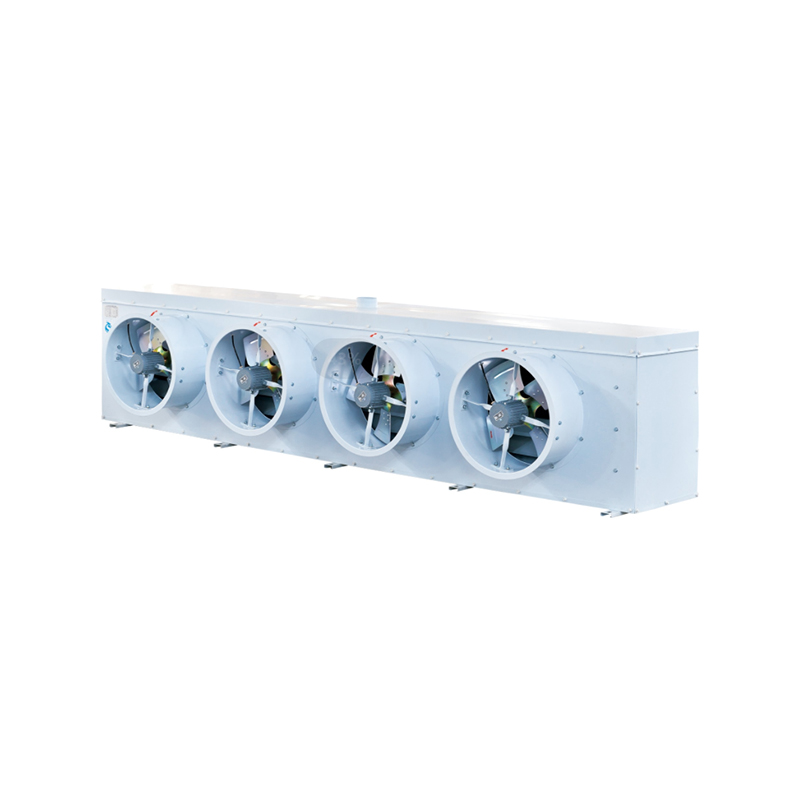
The condensing unit — compressor plus condenser — is only half of the refrigeration circuit. Inside the cold room, the evaporator (air cooler) absorbs heat from the stored goods and the room air. The air cooler's capacity must be matched to the condensing unit at the same evaporating temperature; a mismatched evaporator leads to either inadequate cooling or excessive frosting and energy loss.
For medium-temperature cold rooms (+2°C to 0°C), evaporator coils are sized to the condensing unit at -10°C evaporating temperature. For low-temperature frozen storage rooms, matching is done at -35°C evaporating temperature. Always confirm these parameters with your equipment supplier — reputable Chinese refrigeration accessory manufacturers will provide matched condensing unit and evaporator pairings with published capacity data at defined operating conditions.
Refrigerant Choice Affects Long-Term Performance
The refrigerant running through the condensing unit, evaporator, and condenser loop determines efficiency, environmental compliance, and future serviceability. Current widely used options include:
| Refrigerant | Temperature Range | Notes |
|---|---|---|
| R404A | Medium to low temp (-5°C to -40°C) | Still common; high GWP, being phased out in some regions |
| R448A / R449A | Drop-in for R404A applications | Lower GWP, better efficiency, preferred for new installations |
| R290 (propane) | Wide range, excellent efficiency | Natural refrigerant, very low GWP, requires special handling |
| R134a | Medium temp (+2°C to -15°C) | Common in small DC condensing units and water chillers |
When ordering from a Chinese manufacturer for export, confirm that the condensing unit refrigerant complies with import country regulations — particularly F-gas rules in Europe and EPA requirements in North America.
Quick Sizing Reference by Common Cold Room Sizes
| Room Volume | Target Temp | Estimated Capacity Needed | Typical Unit HP |
|---|---|---|---|
| 5–10 m³ | +2°C to +8°C (fresh) | 0.5–1.2 kW | 1–2 HP |
| 10–30 m³ | +2°C to +8°C (fresh) | 1.2–3.5 kW | 2–4 HP |
| 10–30 m³ | -18°C to -22°C (frozen) | 2.5–6 kW | 4–8 HP |
| 30–100 m³ | +2°C to +8°C (fresh) | 3.5–12 kW | 5–15 HP |
| 30–100 m³ | -18°C to -22°C (frozen) | 6–20 kW | 8–25 HP |
| 100–300 m³ | Any frozen | 20–60 kW+ | Parallel / screw units |
Note: 1 HP ≈ 0.75 kW electrical input; refrigeration capacity at rated conditions is typically 2.5–3.5× the electrical input (COP 2.5–3.5 for medium temp, lower for frozen). Always size by refrigeration output (kW cooling), not motor input power.
What to Confirm Before Purchasing a Condensing Unit
Whether you are sourcing locally or from a Chinese manufacturer specializing in HVAC and refrigeration, confirm these specifications before committing to an order:
- Cooling capacity (kW) stated at the actual operating evaporating temperature and ambient temperature for your installation site — not just nominal HP rating
- Compatible refrigerant type and charge weight
- Power supply voltage and phase (single-phase 220V, three-phase 380V, or other)
- Ambient operating range (maximum ambient for continuous rated output)
- Compressor brand and model for spare parts sourcing (Bitzer, Copeland, Danfoss, etc.)
- Whether an evaporator or air cooler is included or must be sized and sourced separately
- MOQ, lead time, and after-sales warranty terms when ordering from overseas
Air-Cooled vs. Water-Cooled Condensing Units
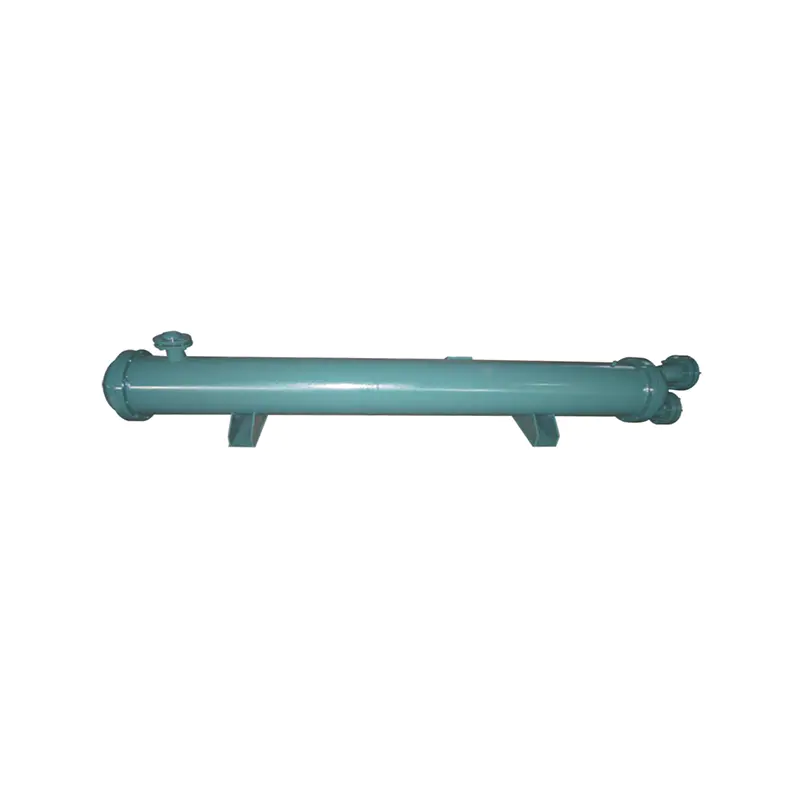
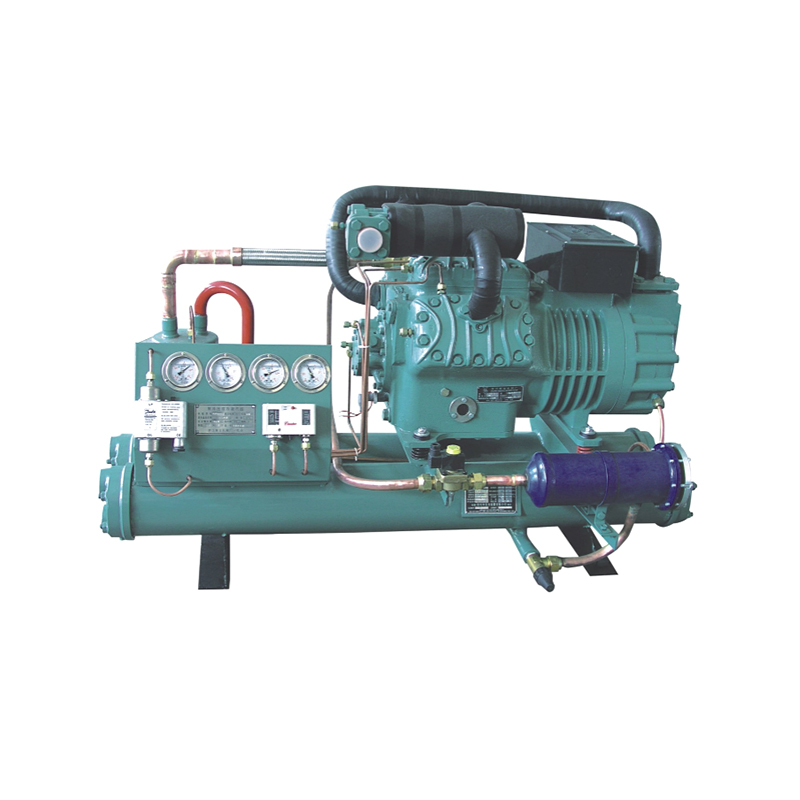
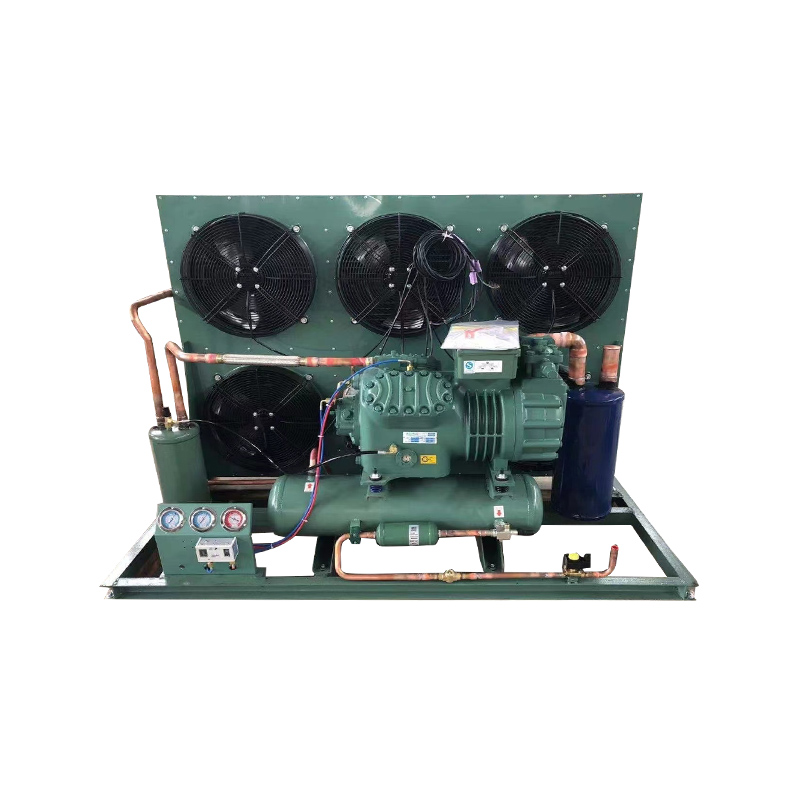
For most cold room installations, air-cooled condensing units are the standard choice — they are simpler to install, require no cooling water circuit, and suit the majority of commercial refrigeration storage environments. Water-cooled condensing units or water chillers become advantageous in hot climates where ambient temperatures consistently exceed 40°C, in confined indoor plant rooms with poor ventilation, or in large parallel refrigeration systems where the condenser heat must be managed centrally. Water-cooled condensers can achieve 5–10% better efficiency in these scenarios, but they add water treatment costs and piping complexity.