 English
 русский
 Tiếng Việt
Content
- 1 Immediate Actions When Your Refrigeration Equipment Isn't Cooling
- 2 How to Deal With Clogged Condenser and Evaporator Fins
- 3 Root Causes of Poor Cooling Performance
- 4 How to Solve Ice Blockage in Refrigeration Systems
- 5 What Causes Frequent Compressor Start-Stop Cycles
- 6 Recommended Cleaning Frequency for Condenser and Evaporator
- 7 FAQ: Common Refrigeration Equipment Questions
Immediate Actions When Your Refrigeration Equipment Isn't Cooling
When refrigeration equipment fails to cool, check the thermostat setting first—ensure it is set between 35°F and 38°F (1.7°C to 3.3°C) for refrigerators and 0°F (-18°C) for freezers. Verify that the unit is receiving power and that the condenser fan is running. A non-cooling unit with a running compressor typically indicates a refrigerant leak or a failed evaporator fan motor.
Inspect the door gaskets for gaps; even a 1/8-inch gap can cause a 15-20% increase in energy consumption and prevent proper cooling. Clean any visible debris from the condenser coils immediately, as this is the most common and fixable cause of poor cooling performance.
Quick Diagnostic Checklist
- Verify power supply and circuit breaker status
- Check thermostat settings and calibration
- Listen for compressor and fan motor operation
- Inspect door seals for cracks or gaps
- Clear any ice buildup around the evaporator
How to Deal With Clogged Condenser and Evaporator Fins
Clogged condenser and evaporator fins are among the leading causes of reduced cooling efficiency. Dust, grease, and debris accumulation on condenser fins can reduce heat transfer efficiency by up to 30%, forcing the compressor to work harder and consume more energy.
Cleaning Condenser Fins
Use a soft-bristle brush or a fin comb to gently straighten bent fins before cleaning. Apply a foaming condenser cleaner and let it sit for 10-15 minutes before rinsing with low-pressure water. Avoid high-pressure washers, as they can flatten the delicate aluminum fins. For commercial kitchens, grease buildup may require a degreasing solvent.
Cleaning Evaporator Fins
Evaporator fins are more fragile and often located inside the unit. Turn off the power, remove the access panel, and use a vacuum with a brush attachment to remove loose debris. For stubborn buildup, use a no-rinse foaming cleaner designed for evaporator coils. Ensure the drain pan and drain line are clear to prevent water overflow.
| Fin Type | Recommended Tool | Cleaning Frequency | Caution |
|---|---|---|---|
| Condenser Fins | Fin comb, foaming cleaner | Every 3-6 months | Avoid high-pressure water |
| Evaporator Fins | Soft brush, vacuum | Every 6-12 months | Do not bend fins |
| Grease-Coated Fins | Degreasing solvent | Monthly (commercial) | Ensure proper ventilation |
Root Causes of Poor Cooling Performance
Poor cooling performance stems from a combination of mechanical, electrical, and environmental factors. Understanding these root causes is essential for effective troubleshooting and long-term equipment reliability.
Refrigerant System Issues
A refrigerant charge that is 10% below specification can reduce cooling capacity by 20%. Common causes include leaks at flare fittings, schrader valves, or evaporator coil pinholes. Use an electronic leak detector or UV dye to locate leaks before recharging the system.
Airflow Obstructions
Blocked return air grilles, overstocked shelves, or damaged fan blades can restrict airflow. The evaporator requires approximately 300-400 CFM (cubic feet per minute) of airflow per ton of refrigeration capacity. Measure airflow with an anemometer and ensure vents are unobstructed.
Electrical Component Failures
Faulty start relays, run capacitors, or defrost timers can prevent the compressor or fans from operating correctly. A failed run capacitor may cause the compressor to draw excessive amperage and overheat, triggering thermal protection shutdowns.
How to Solve Ice Blockage in Refrigeration Systems
Ice blockage, or ice formation in the refrigerant lines or evaporator, severely restricts refrigerant flow and cooling capacity. This condition is distinct from normal frost on the evaporator and requires immediate attention.
Identifying Ice Blockage Symptoms
Signs of ice blockage include visible ice on the suction line, frost extending beyond the evaporator coil, low suction pressure readings, and a compressor that runs continuously without reaching set temperature. In severe cases, the evaporator may be completely encased in ice.
Step-by-Step Ice Blockage Resolution
- Turn off the unit and remove all products from the refrigerated space
- Leave the doors open and allow the ice to melt naturally—this may take 12-24 hours
- Inspect and clear the drain line to prevent water backup
- Check the defrost heater, defrost thermostat, and timer for proper operation
- Verify that the door gaskets seal completely and that the unit is not overloaded
- Restart the unit and monitor temperatures for 24 hours
If ice blockage recurs, investigate underlying causes such as a failed defrost system, refrigerant undercharge, or excessive humidity infiltration. A malfunctioning defrost thermostat stuck in the closed position is a frequent culprit in commercial units.
What Causes Frequent Compressor Start-Stop Cycles
Frequent compressor cycling, also known as short cycling, reduces equipment lifespan and increases energy costs. A properly sized compressor should run for 8-15 minutes per cycle under normal load conditions. Cycles shorter than 5 minutes indicate a problem.
Thermal Overload and High Head Pressure
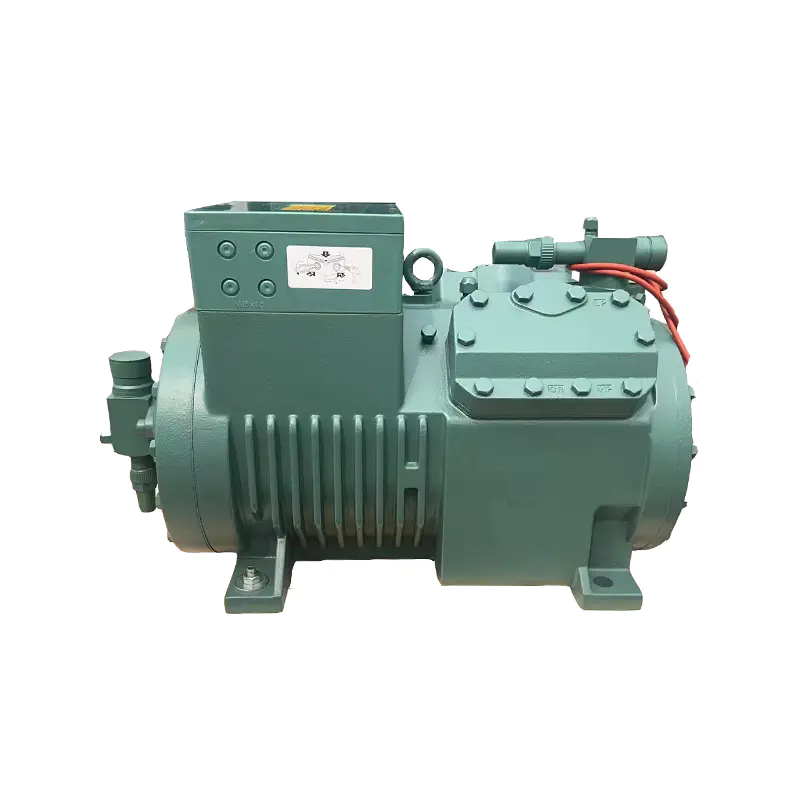
High condensing pressure forces the compressor to work against excessive load, triggering thermal overload protection. Causes include dirty condenser coils, inadequate ventilation around the condensing unit, overcharged refrigerant, or non-condensable gases in the system. High head pressure above 300 PSI on R-134a systems is a critical warning sign.
Low Pressure Control and Refrigerant Issues
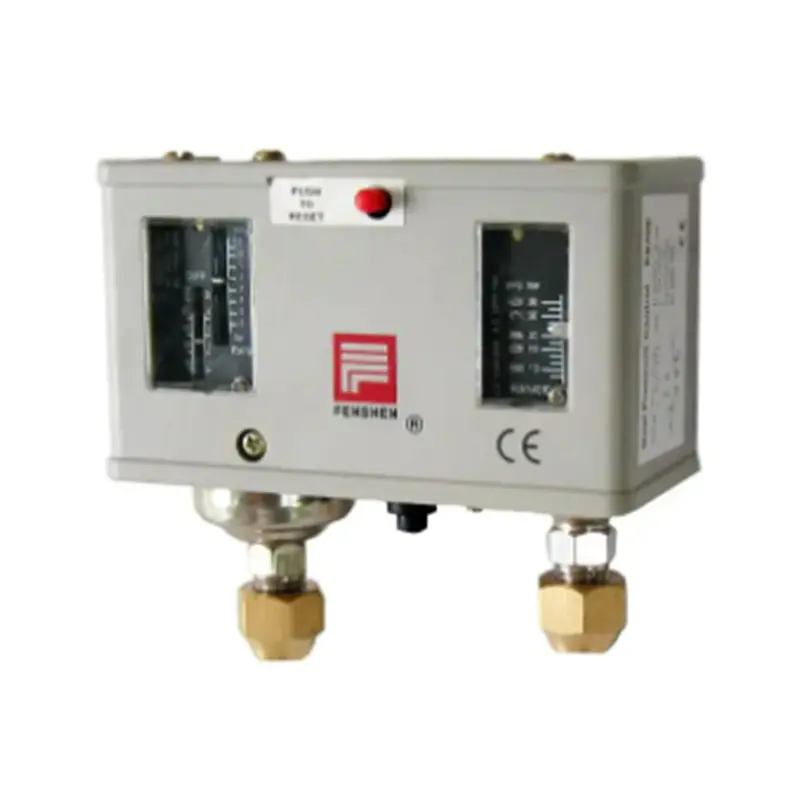
Low suction pressure caused by refrigerant undercharge, a restricted filter-drier, or ice blockage can cause the low-pressure switch to cycle the compressor off prematurely. A pressure differential of less than 30 PSI between suction and discharge lines often points to a refrigerant-side problem.
Oversized or Undersized Equipment
An oversized refrigeration unit cools the space too quickly, causing the thermostat to cycle the compressor before humidity is adequately removed. Conversely, an undersized unit runs continuously without reaching setpoint. Proper load calculation using ACCA Manual N or equivalent standards is essential during equipment selection.
Recommended Cleaning Frequency for Condenser and Evaporator
Regular cleaning of condenser and evaporator components is the single most effective preventive maintenance action. The required frequency depends on the operating environment, equipment type, and usage intensity.
| Environment | Condenser Cleaning | Evaporator Cleaning | Filter Replacement |
|---|---|---|---|
| Clean Office/Lab | Every 6 months | Every 12 months | Every 3 months |
| Retail/Restaurant | Every 3 months | Every 6 months | Every 1-2 months |
| Industrial/Factory | Monthly | Every 3 months | Monthly |
| Coastal/High Dust | Every 4-6 weeks | Every 3 months | Every 2-4 weeks |
Commercial walk-in coolers and freezers in high-traffic kitchens should have condenser coils inspected every 30 days. Document all maintenance activities in a logbook to track performance trends and identify recurring issues before they cause equipment failure.
FAQ: Common Refrigeration Equipment Questions
Why is my refrigerator running but not getting cold?
If the compressor runs but temperatures do not drop, suspect a refrigerant leak, failed evaporator fan, or iced-over evaporator coils. Check the evaporator fan first—if it is not spinning, cold air cannot circulate throughout the cabinet.
Can I use a pressure washer to clean condenser coils?
No. Pressure washers can flatten aluminum fins and damage coil tubing. Use a foaming cleaner and low-pressure rinse, or a vacuum with a brush attachment. Fin spacing of 8-14 fins per inch is easily damaged by high-pressure streams.
How do I know if my compressor is failing?
Signs of compressor failure include loud rattling or knocking noises, excessive heat at the compressor dome (above 180°F), high amp draw, and inability to reach suction pressure. A compressor that draws locked-rotor amperage and trips the breaker requires replacement.
What temperature should my commercial freezer maintain?
Commercial freezers should maintain 0°F (-18°C) or below at all times. Fluctuations above 10°F can compromise food safety and accelerate compressor wear due to increased load when pulling down temperature.
Is it normal for the condenser to be hot?
Yes, the condenser coils should be warm to hot during operation—typically 90°F to 120°F (32°C to 49°C) above ambient temperature. However, if the condenser is too hot to touch or the discharge line exceeds 225°F, this indicates high head pressure and potential system problems.