 English
 русский
 Tiếng Việt
Content
- 1 The Refrigeration Cycle: How a Condensing Unit Actually Works
- 2 Five Condensing Unit Types: Matching Form to Function
- 3 Cold Room and Refrigeration Storage: Sizing the Right Condensing Unit
- 4 Compressor Selection Within the Condensing Unit
- 5 Air Cooler and Condenser Pairing: Getting the Heat Transfer Balance Right
- 6 Water Chiller vs. Air-Cooled Condensing Unit: Which Fits Your HVAC or Process Cooling Need
- 7 Sourcing From a Chinese Manufacturer: What to Evaluate Before Ordering
- 8 Noise Reduction in Commercial Condensing Unit Installations
- 9 Key Refrigeration Accessories That Protect Condensing Unit Performance
- 10 Practical Takeaways for Buyers and Engineers
A condensing unit is the operational heart of any refrigeration system — integrating the compressor, condenser, and expansion valve into a single packaged assembly that drives cooling across cold rooms, water chillers, air coolers, and refrigeration storage facilities. Choosing the right unit type and understanding how each component works together determines system efficiency, longevity, and total operating cost.
The Refrigeration Cycle: How a Condensing Unit Actually Works
At its core, a condensing unit does not "create cold" — it removes heat. Refrigerant circulates through a closed loop, absorbing heat at the evaporator (inside the cold space) and releasing it at the condenser (outside). The compressor drives this cycle by pressurizing refrigerant vapor, raising its temperature so heat can be discharged to the ambient environment.
Compressor
Pressurizes low-pressure refrigerant vapor, converting it into high-temperature, high-pressure gas. The compressor is the single most energy-intensive component — accounting for 60–80% of total unit power consumption.
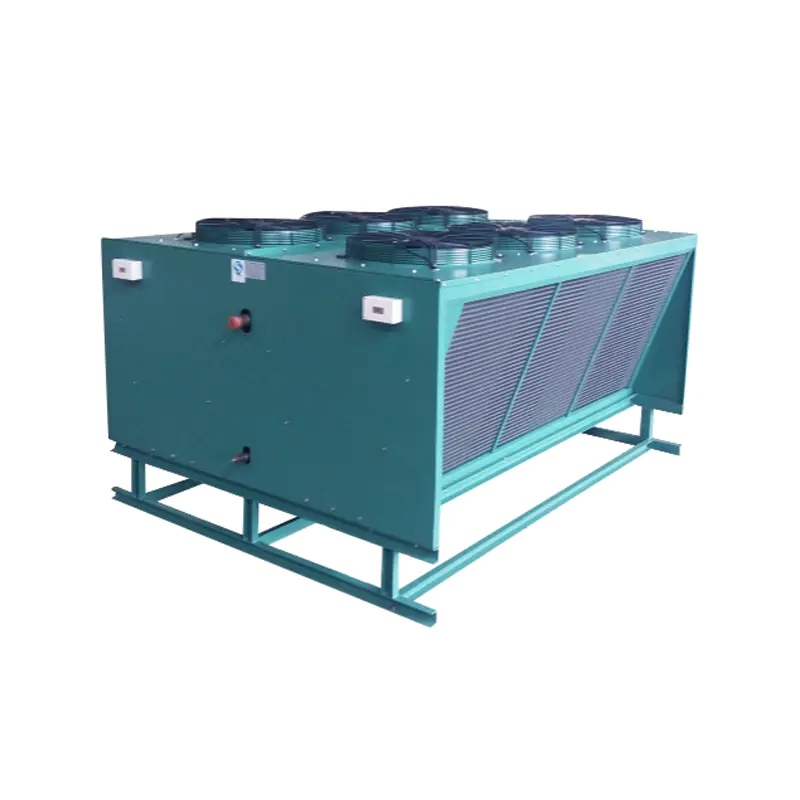
Condenser
Transfers heat from the high-pressure refrigerant gas to either air (air-cooled condenser) or water (water-cooled condenser), condensing the gas into a liquid. Condenser efficiency directly affects the condensing temperature and system COP.
Expansion Valve
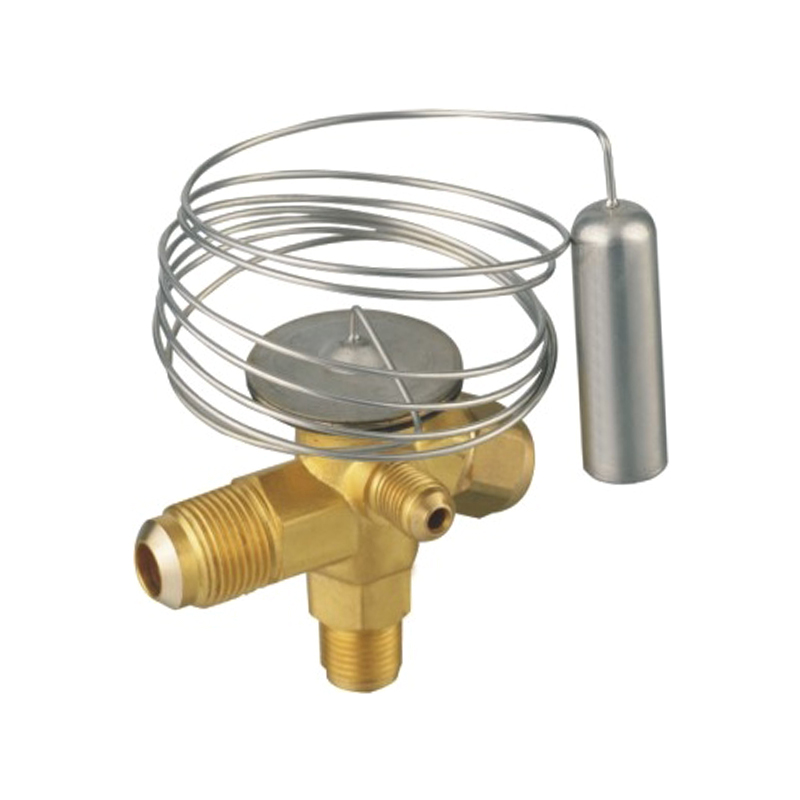
Reduces refrigerant pressure from high to low, enabling it to absorb heat effectively at the evaporator. Thermostatic expansion valves (TXV) automatically modulate flow based on load conditions.
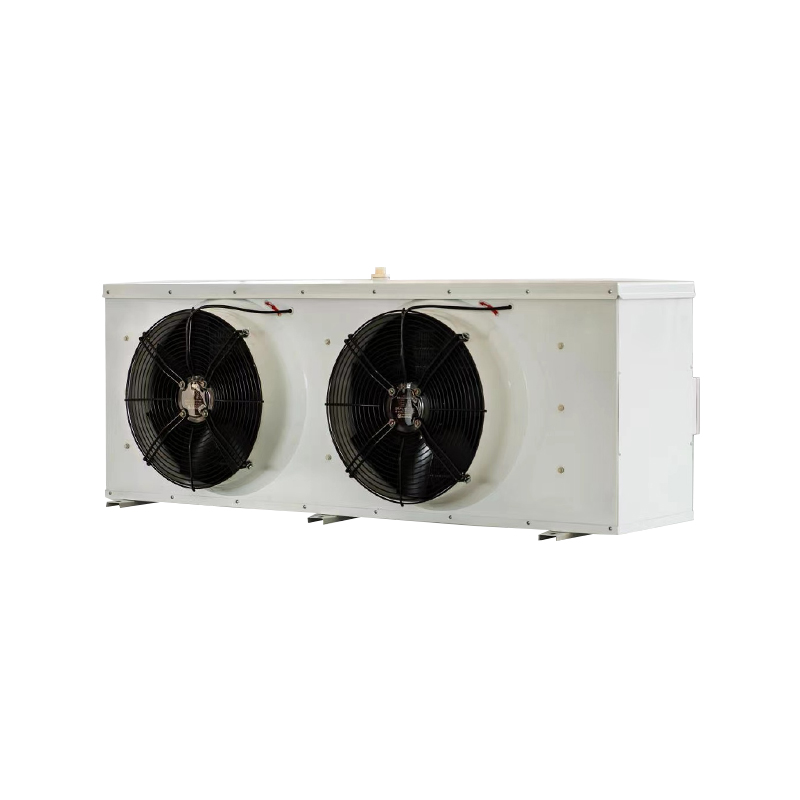
Evaporator / Air Cooler
Absorbs heat from the refrigerated space. In cold rooms, the evaporator (air cooler) circulates cold air throughout the room, maintaining target temperatures from +10 degrees C down to -40 degrees C depending on application.
Five Condensing Unit Types: Matching Form to Function
Not all condensing units are built the same. The five primary configurations each suit different installation environments, load sizes, and temperature requirements. The table below compares key operational parameters to aid selection.
| Unit Type | Cooling Medium | Typical Capacity Range | Best Application | Key Advantage |
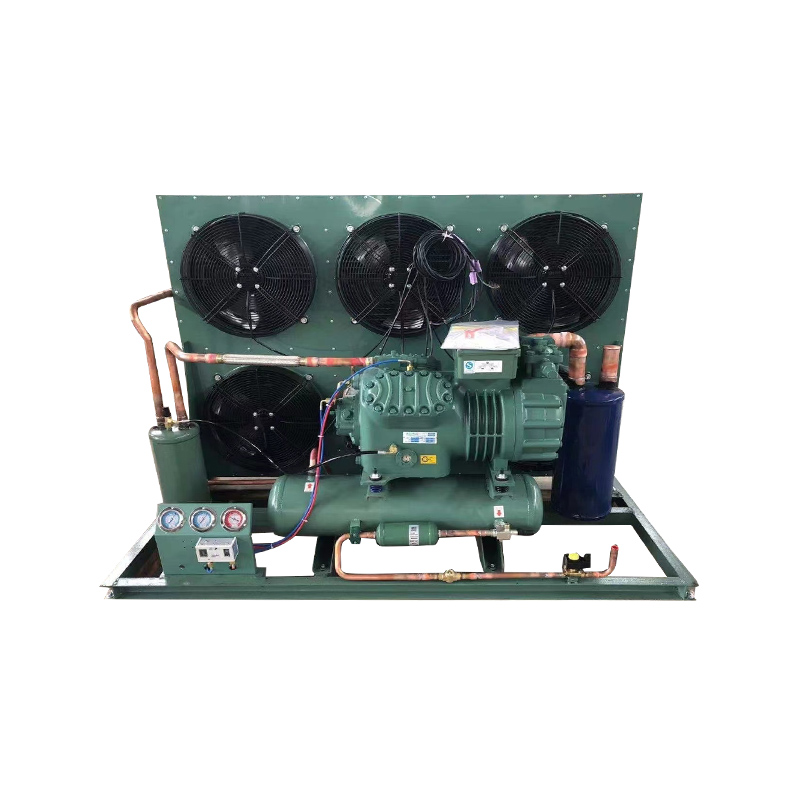
| Air-Cooled Condensing Unit | Ambient air | 1 kW – 200 kW | Cold rooms, supermarkets, small warehouses | No water supply required; easy installation |
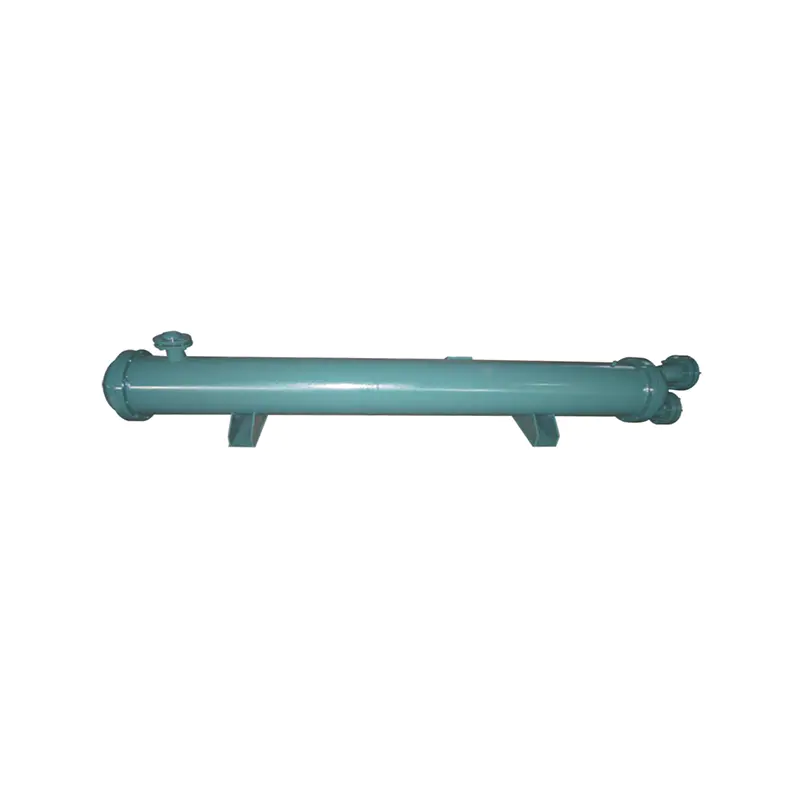
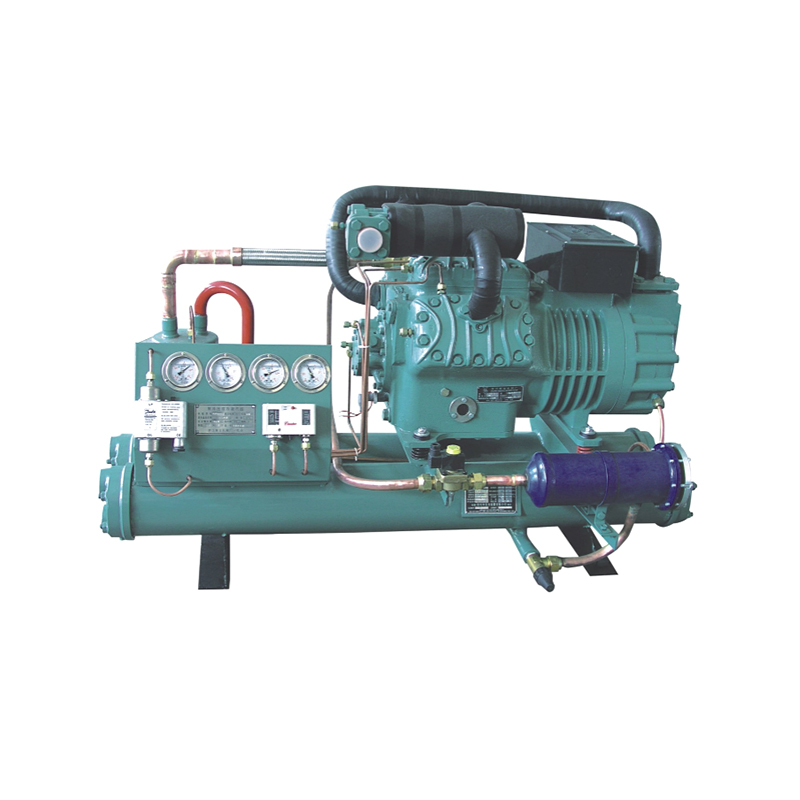
| Water-Cooled Condensing Unit | Chilled water or cooling tower | 10 kW – 2,000+ kW | Water chillers, industrial refrigeration | Higher COP; more stable at high ambient temps |
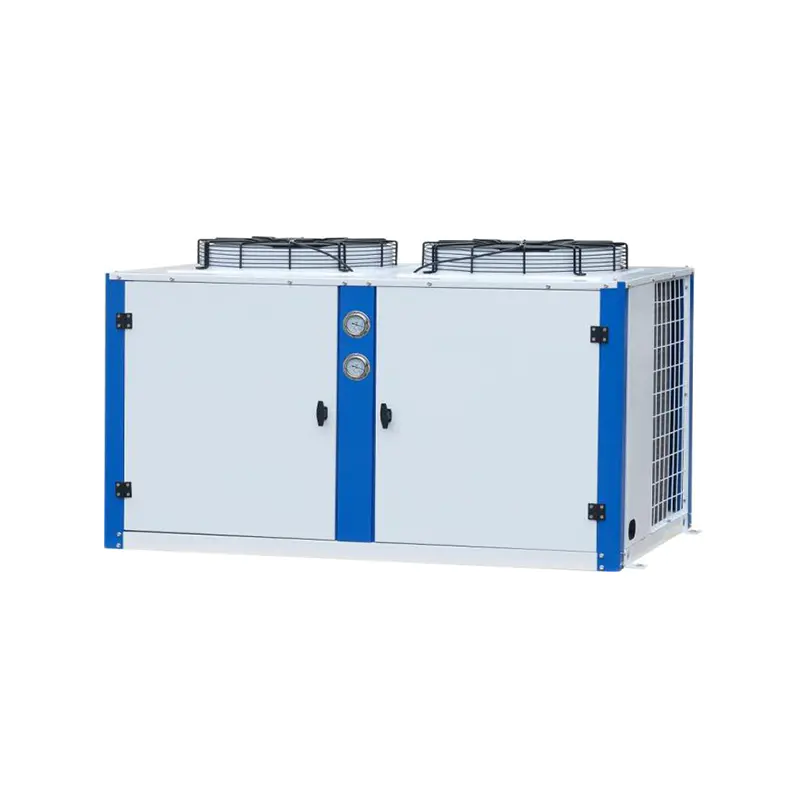
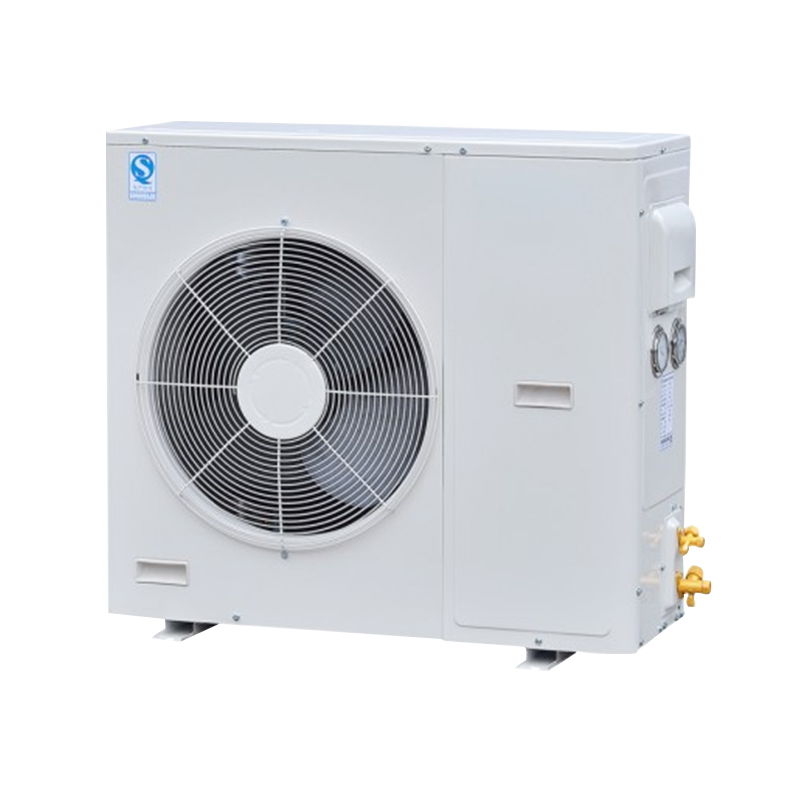
| Box-Type Condensing Unit | Air (enclosed housing) | 1 kW – 30 kW | Small cold rooms, convenience stores | Compact, weather-resistant, all-in-one design |
| Open-Type Condensing Unit | Air | 5 kW – 150 kW | Medium cold rooms, food processing | Flexible component access; field serviceable |
| Parallel Condensing Unit | Air or water | 50 kW – 500+ kW | Large refrigeration storage, logistics hubs | Load redundancy; modular capacity scaling |
Cold Room and Refrigeration Storage: Sizing the Right Condensing Unit
For cold room and refrigeration storage applications, undersizing a condensing unit by even 15–20% can push compressor run-times above 80% duty cycle, accelerating wear and raising energy costs significantly. The following factors govern correct sizing:
Compressor Selection Within the Condensing Unit
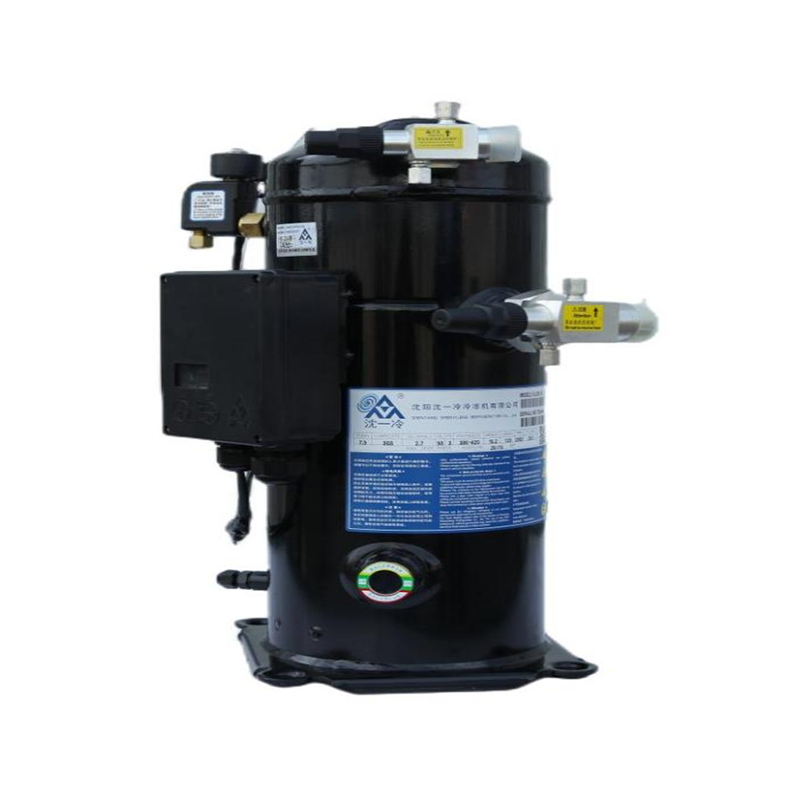
The compressor determines the unit's temperature range capability, noise level, and energy profile. Chinese HVAC and refrigeration manufacturers now produce units with all four major compressor types, each suited to distinct application bands:
Reciprocating
Suitable for capacities from 0.5 kW to 30 kW. Rugged and well-suited to low-temperature applications down to -45 degrees C. Widely used in small cold rooms and commercial refrigeration.
Scroll
Dominant in the 3–30 kW range. Operates with 70% fewer moving parts than reciprocating types, reducing maintenance frequency. Preferred for water chiller applications and quiet commercial environments.
Screw
Covers 30–1,500 kW. Twin-screw compressors achieve COP values of 4.5–6.0 in water chiller configurations. Dominant in industrial refrigeration storage and large parallel condensing unit arrays.
Centrifugal
Applied above 500 kW. Used exclusively in large water chiller plant rooms serving district cooling or large commercial HVAC systems. Not typical for standalone cold room applications.
Air Cooler and Condenser Pairing: Getting the Heat Transfer Balance Right
The air cooler (evaporator) inside the cold room and the condenser on the condensing unit form a matched pair. Mismatching surface areas or fin spacing creates performance penalties that cannot be recovered through refrigerant charge adjustment.
Chinese refrigeration manufacturers such as Brozer offer DL series, DD series, and DJ series air coolers designed to pair with specific condensing unit capacities. Key pairing principles include:
Water Chiller vs. Air-Cooled Condensing Unit: Which Fits Your HVAC or Process Cooling Need
For facility managers choosing between a water chiller plant and individual air-cooled condensing units, the decision hinges on scale, infrastructure, and lifecycle cost rather than performance alone.
Water Chiller Systems
- COP 4.0–6.5; more efficient at large scale
- Requires cooling tower, pump infrastructure, and water treatment
- Central plant approach suits buildings above 500 kW cooling load
- Screw or centrifugal compressors; long service intervals (8,000–12,000 hrs between overhauls)
- Lower per-kW capital cost at scale
Air-Cooled Condensing Units
- COP 2.5–4.0; sufficient for most commercial refrigeration storage
- No water infrastructure; suitable for rooftop or outdoor installations
- Modular approach — individual units serve separate cold rooms or zones
- Reciprocating or scroll compressors; lower per-unit maintenance cost
- Higher per-kW capital cost but lower installation complexity
Sourcing From a Chinese Manufacturer: What to Evaluate Before Ordering
China's HVAC and refrigeration manufacturing sector has matured significantly over the past decade. Manufacturers based in Zhejiang, Guangdong, and Shandong provinces now export condensing units and refrigeration accessories to more than 80 countries. When evaluating a Chinese manufacturer for condensing units, compressors, evaporators, or condensers, the following criteria separate capable partners from catalog-only suppliers:
R&D Capability
Manufacturers with independent R&D teams can adapt units for non-standard refrigerants (R404A, R448A, CO2), unusual ambient conditions, or specific voltage requirements. This matters for export orders destined for North America, Europe, or the Middle East.
OEM / ODM Support
Established manufacturers offer OEM branding and ODM product customization. Lead times for OEM orders typically run 20–35 business days depending on unit type and quantity. Minimum order quantities for ODM projects are often 5–10 units.
Certifications
Verify CE marking (EU), UL or ETL listing (North America), and CCC certification (China domestic). Pressure equipment used in refrigeration circuits must meet PED directives in EU markets.
Refrigeration Accessories Supply
Full-range manufacturers supply refrigeration accessories — filter driers, solenoid valves, sight glasses, pressure controls, thermostatic expansion valves — alongside the main unit. Single-source supply reduces procurement complexity and ensures component compatibility.
Noise Reduction in Commercial Condensing Unit Installations
In commercial buildings, hospitals, and food retail environments, condensing unit noise is a legitimate operational concern. Sound levels from unmanaged installations can exceed 75 dB(A) at 1 meter — well above acceptable limits in many municipalities. Three engineering approaches address this systematically:
Key Refrigeration Accessories That Protect Condensing Unit Performance
A condensing unit operates within a system, and the reliability of that system depends as much on the quality of refrigeration accessories as on the unit itself. The following components deserve careful specification:
| Accessory | Function | Failure Impact |
| Filter Drier | Removes moisture and particulates from refrigerant circuit | Acid formation, expansion valve blockage, compressor damage |
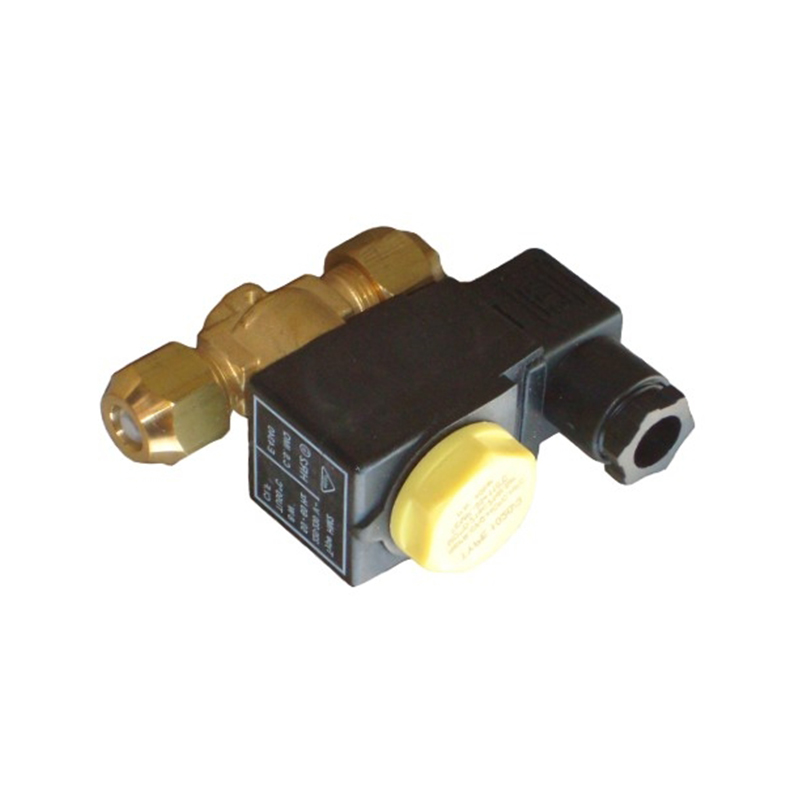
| Solenoid Valve | Controls refrigerant flow on/off to evaporator or liquid line | Liquid slugging, compressor flooding on startup |
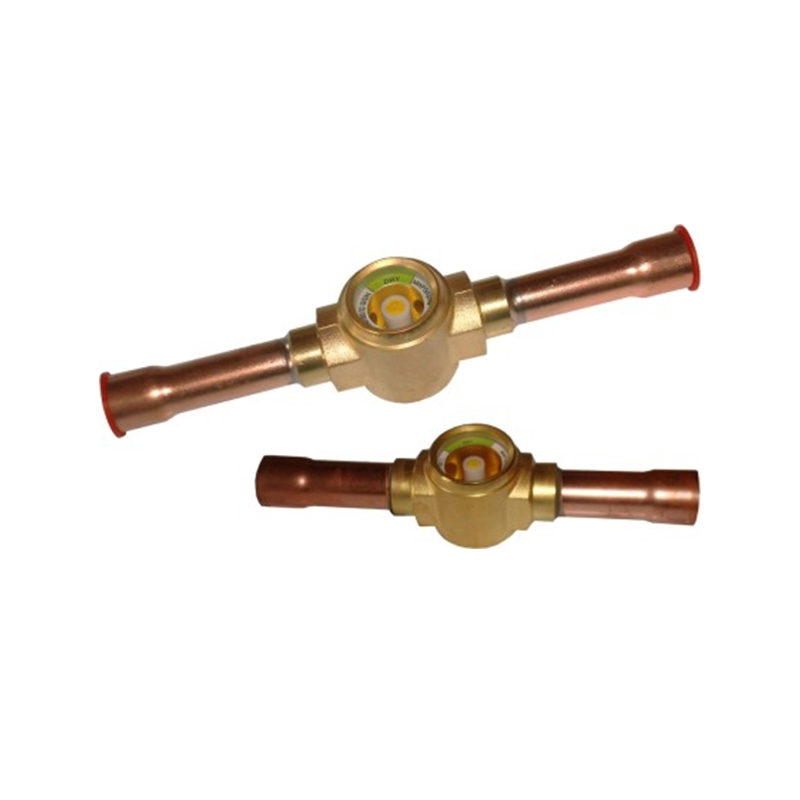
| Sight Glass / Moisture Indicator | Visual charge level and moisture content check | Undetected undercharge or wet circuit operating condition |
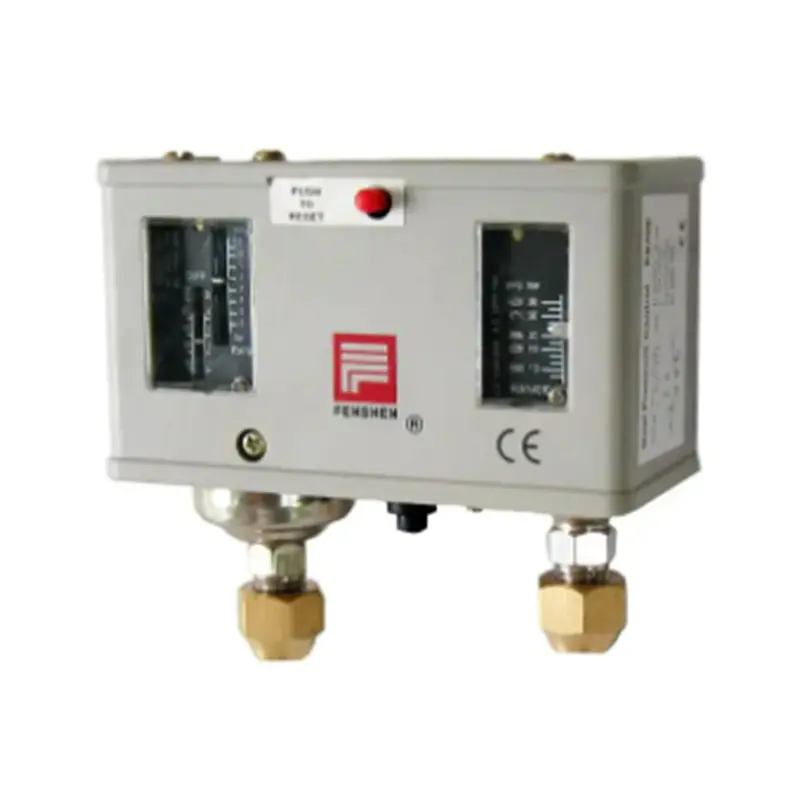
| High/Low Pressure Control | Safety cutout to protect compressor from overpressure or vacuum | Compressor mechanical failure, refrigerant release |
| Thermostatic Expansion Valve (TXV) | Regulates refrigerant flow to maintain constant superheat at evaporator outlet | Evaporator flooding or starvation; poor system efficiency |
Practical Takeaways for Buyers and Engineers
Whether you are specifying a condensing unit for a new cold room, replacing aging refrigeration storage equipment, or sourcing HVAC components from a Chinese manufacturer, the core principles remain consistent: match the compressor type to the temperature range, pair the evaporator surface to the condensing capacity, and source refrigeration accessories from the same verified supply chain. Air-cooled units dominate the sub-200 kW cold room market due to installation simplicity; water chillers and parallel condensing unit configurations take over where scale and efficiency targets demand it. Independent OEM and ODM manufacturers in China's Zhejiang province have demonstrated the capability to serve both small-volume and large-scale procurement needs with certifiable product quality — making direct manufacturer engagement a viable and increasingly cost-effective strategy for refrigeration project procurement worldwide.