 English
 русский
 Tiếng Việt
Content
- 1 What a Condenser Actually Does in the Refrigeration Cycle
- 2 Core Functions of a Condenser
- 3 How Heat Rejection Happens Inside the Condenser
- 4 Common Types of Condensers
- 5 Condenser and Condensing Unit Product Range
- 6 Condenser vs Evaporator: Two Sides of the Same Cycle
- 7 Signs a Condenser Is Not Working Properly
- 8 Choosing a Condenser for Cold Rooms and Water Chillers
- 9 Sourcing Condensers from a Chinese HVAC Manufacturer
A condenser's core job is simple: it takes hot, high-pressure refrigerant gas coming from the compressor and turns it back into a liquid by removing heat. Without this step, a refrigeration system cannot repeat its cooling cycle, which means no cold room, water chiller, or air cooler downstream would ever reach the target temperature. Everything else about condenser design - tube layout, fan speed, coil material - exists to make this single heat-rejection job faster and more reliable.
What a Condenser Actually Does in the Refrigeration Cycle
In a closed refrigeration loop, refrigerant travels through four main stages: compression, condensation, expansion, and evaporation. The condenser sits right after the compressor. At this point the refrigerant arrives as a hot vapor under high pressure, carrying the heat it absorbed earlier inside the evaporator plus the extra heat added by compression. The condenser's job is to pull that heat out and release it into the surrounding air or water, so the refrigerant cools down and condenses into a liquid before it moves on to the expansion valve.
This is why the condenser is often described as the "heat dumping" component of the system. If it fails to reject heat fast enough, pressure builds up inside the loop, the compressor works harder, and the evaporator on the other end struggles to cool the space it is supposed to serve.
Core Functions of a Condenser
Beyond the basic gas-to-liquid conversion, a condenser performs several supporting functions that keep the whole system efficient:
- Removing superheat from the discharge gas leaving the compressor
- Condensing refrigerant vapor into liquid at a controlled pressure
- Subcooling the liquid slightly below its condensing temperature to prevent flash gas at the expansion valve
- Maintaining stable head pressure so the compressor and evaporator perform predictably
- Protecting refrigeration accessories such as filter driers and sight glasses from excess heat and pressure swings
How Heat Rejection Happens Inside the Condenser
The process inside a condenser is not a single event; it happens in three distinct phases as the refrigerant moves through the coil or tube bundle.
| Stage | Refrigerant State | What Happens |
| Desuperheating | Hot vapor | Excess heat picked up by compression is stripped away before condensing begins |
| Condensing | Vapor turning to liquid | Temperature stays nearly constant while latent heat is released |
| Subcooling | Liquid | Liquid is cooled a few degrees further to ensure it stays fully liquid before the expansion device |
Most of the actual heat removal - roughly 80 percent of the total load - happens during the condensing phase, which is why coil surface area and airflow (or water flow) design matter so much for overall system performance.
Common Types of Condensers
Condensers are generally grouped by the medium used to carry heat away. Each type suits different applications, from small air coolers to large-scale refrigeration storage plants.
| Type | Cooling Medium | Typical Application |
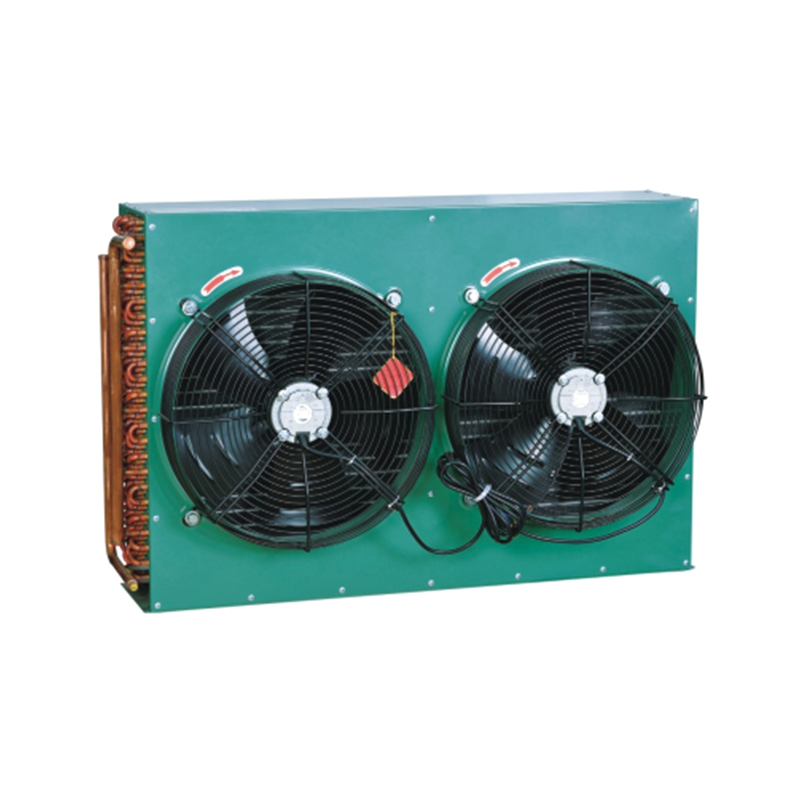
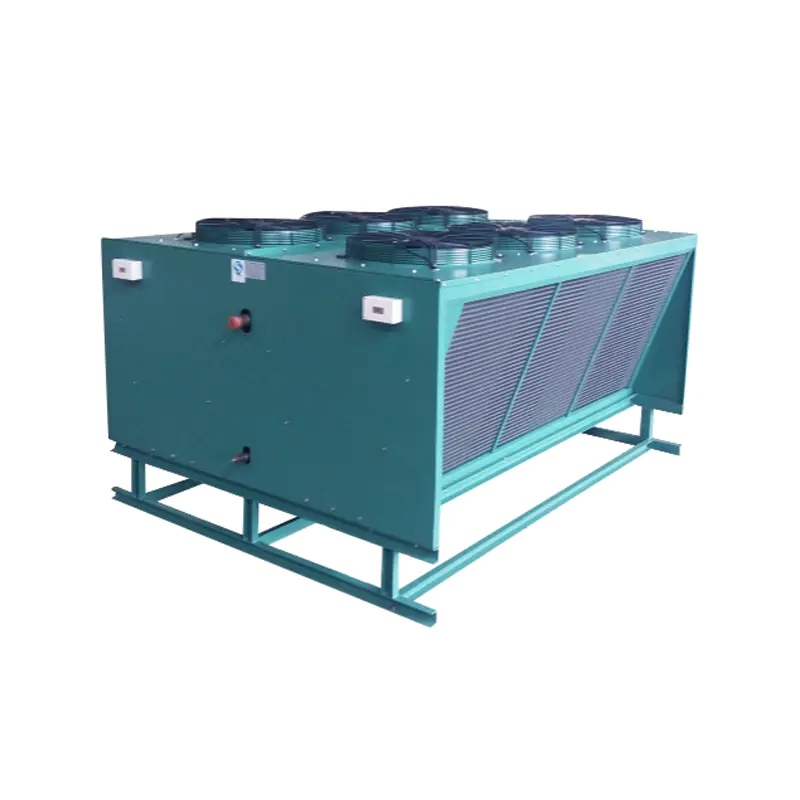
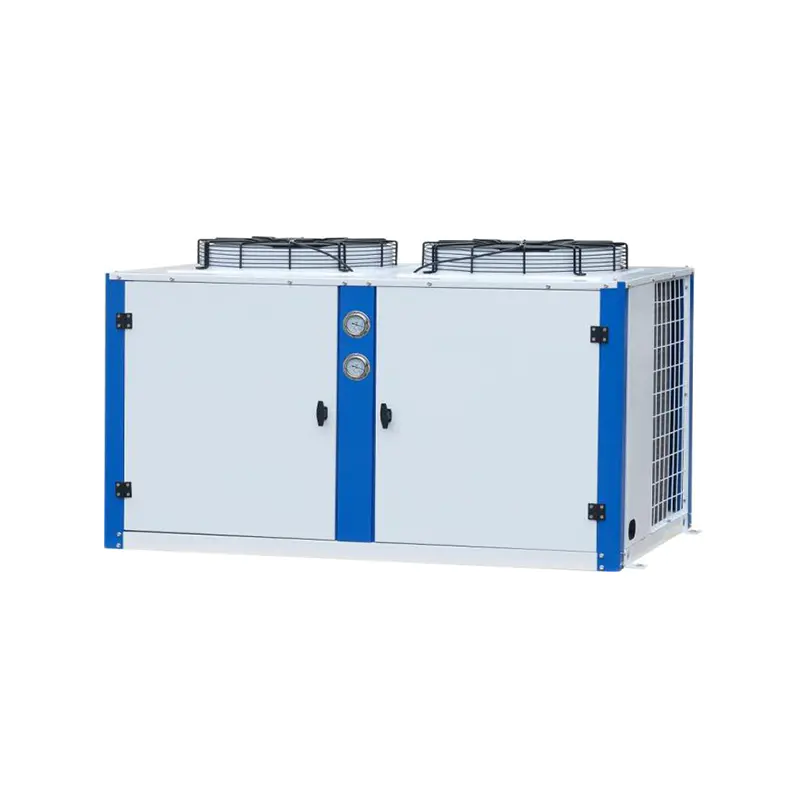
| Air-cooled condenser | Ambient air, fan-forced | Cold rooms, condensing units, commercial refrigeration |
| Water-cooled condenser | Circulated water | Water chillers, industrial process cooling |
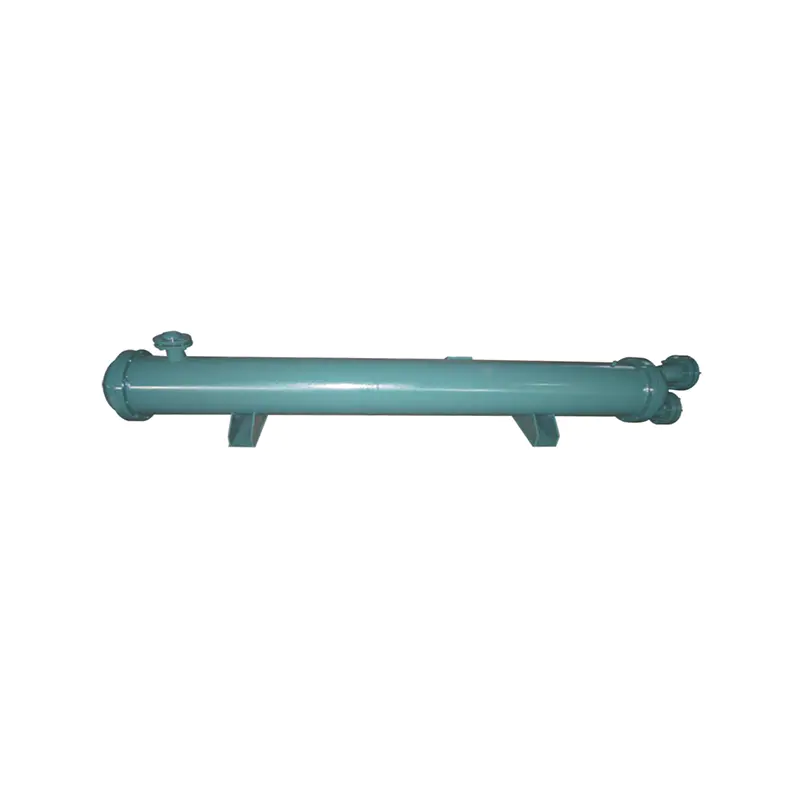
| Shell and tube condenser | Water inside tubes, refrigerant outside | Medium to large chiller plants |
| Evaporative condenser | Water spray plus air | Large cold storage facilities needing high efficiency |
Air-cooled units dominate small and mid-size cold room installations because they need no water supply and are easier to maintain, while water-cooled and shell and tube designs handle heavier heat loads in larger water chiller systems.
Condenser and Condensing Unit Product Range
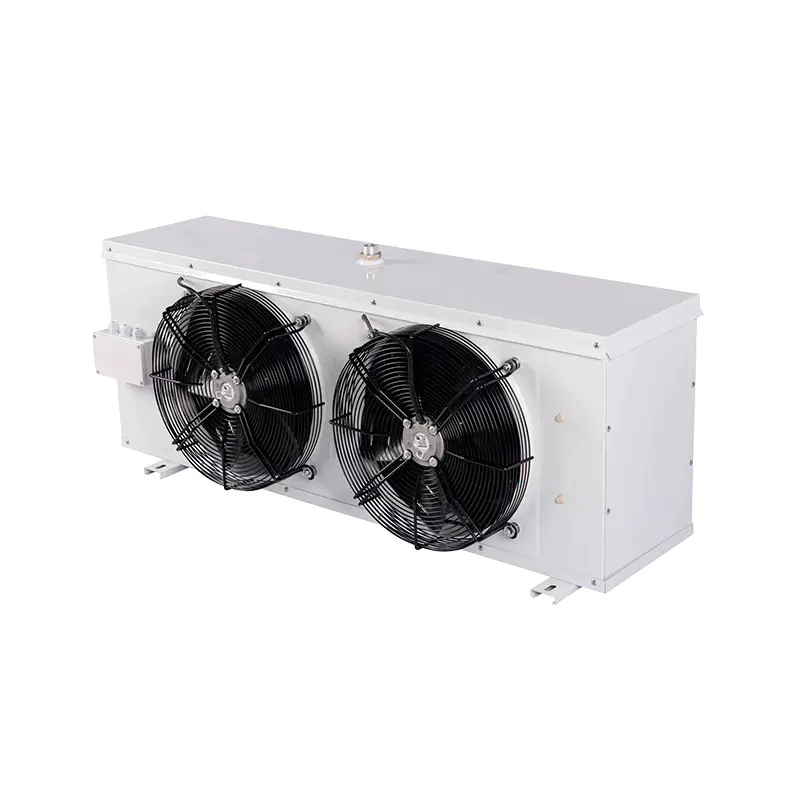
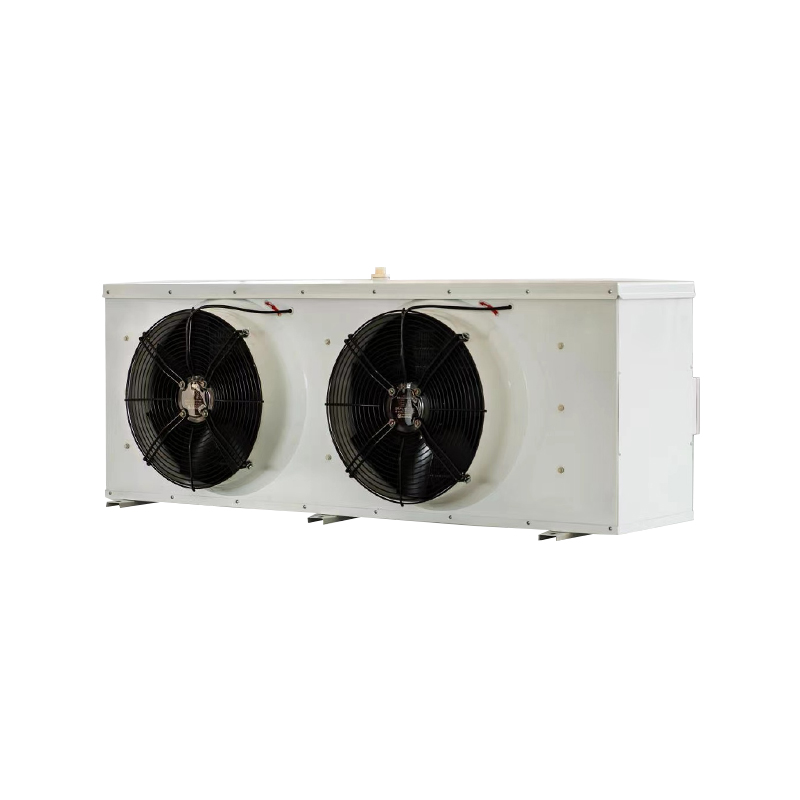
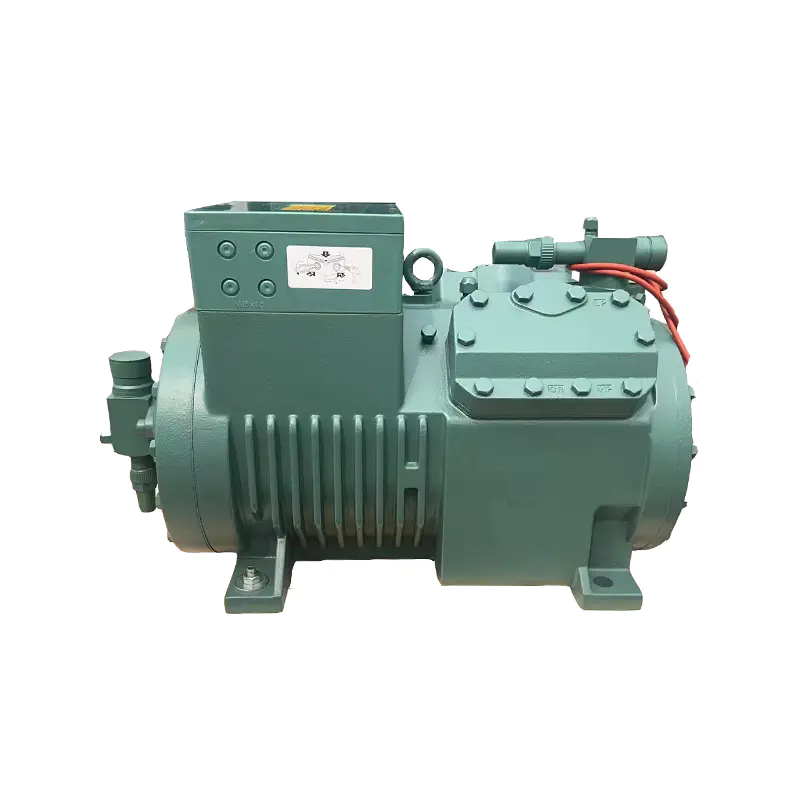
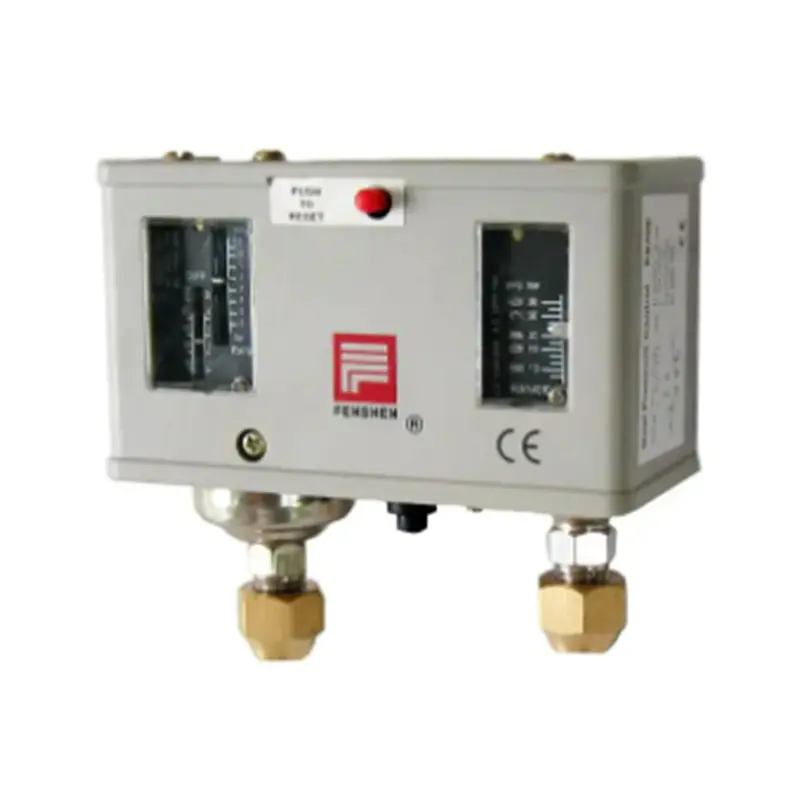
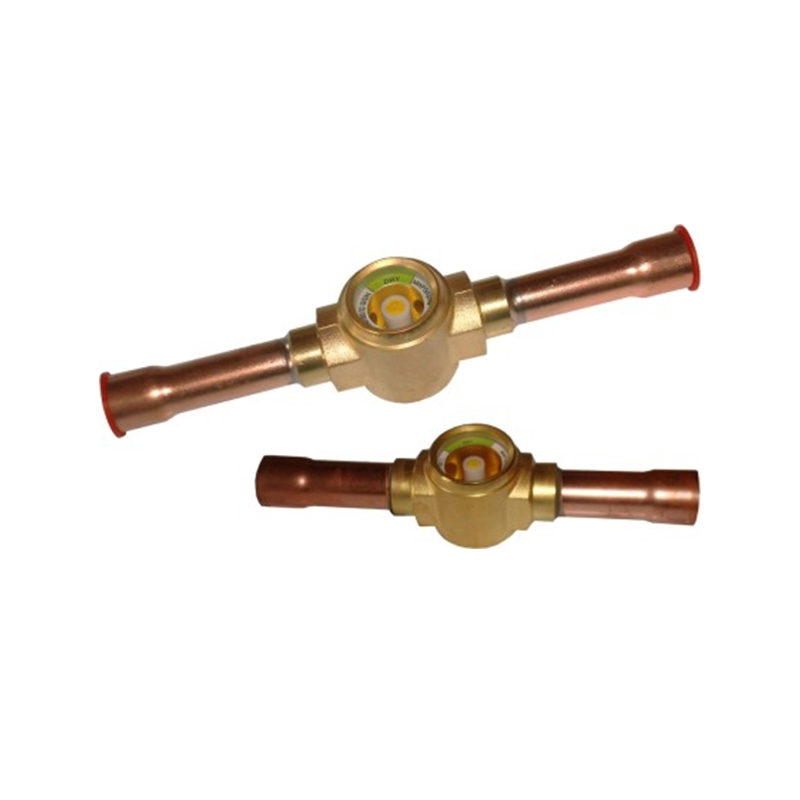
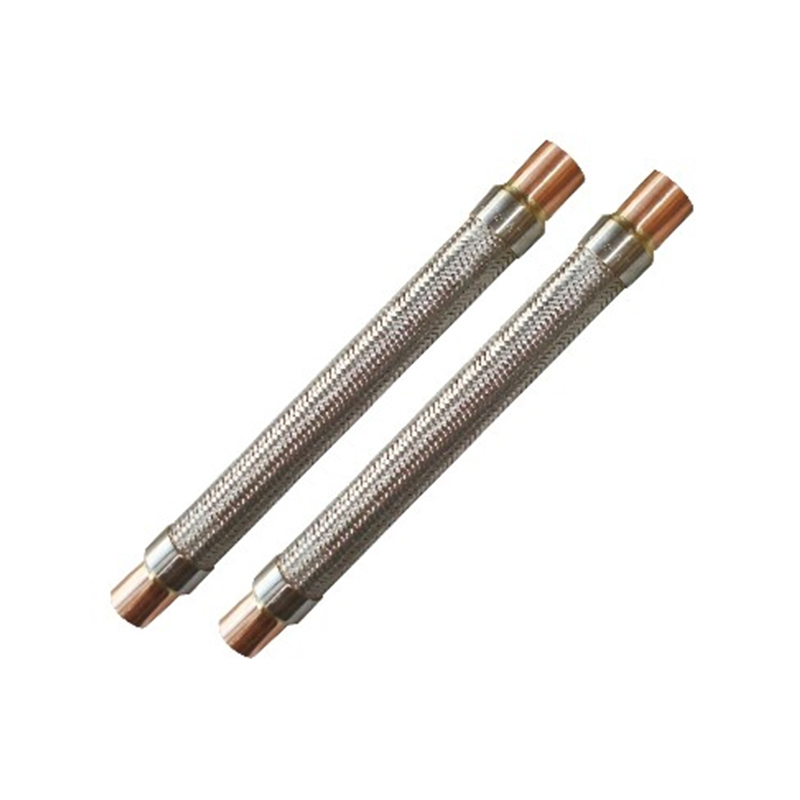
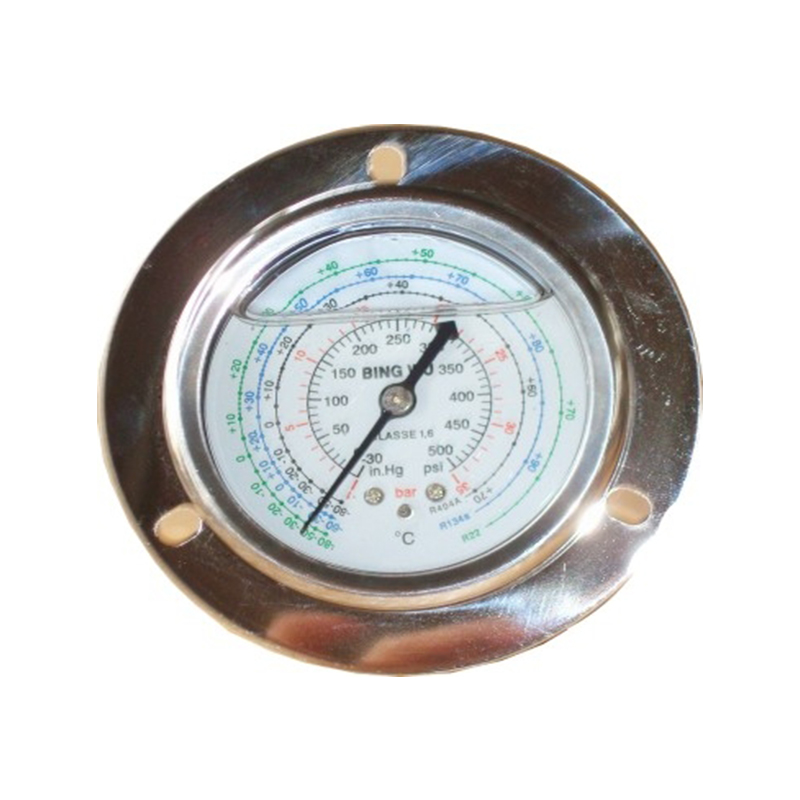
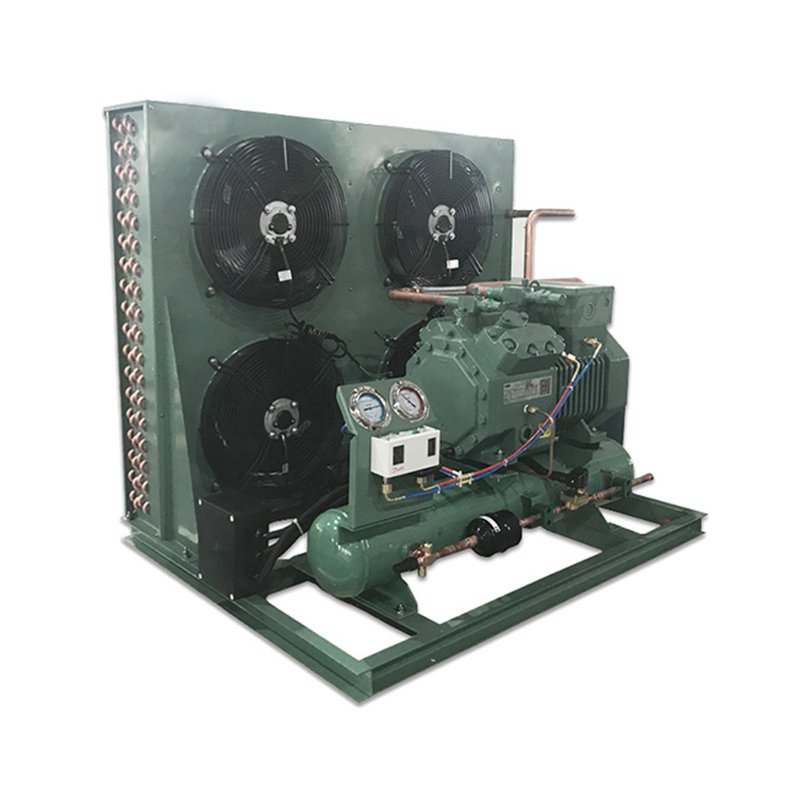
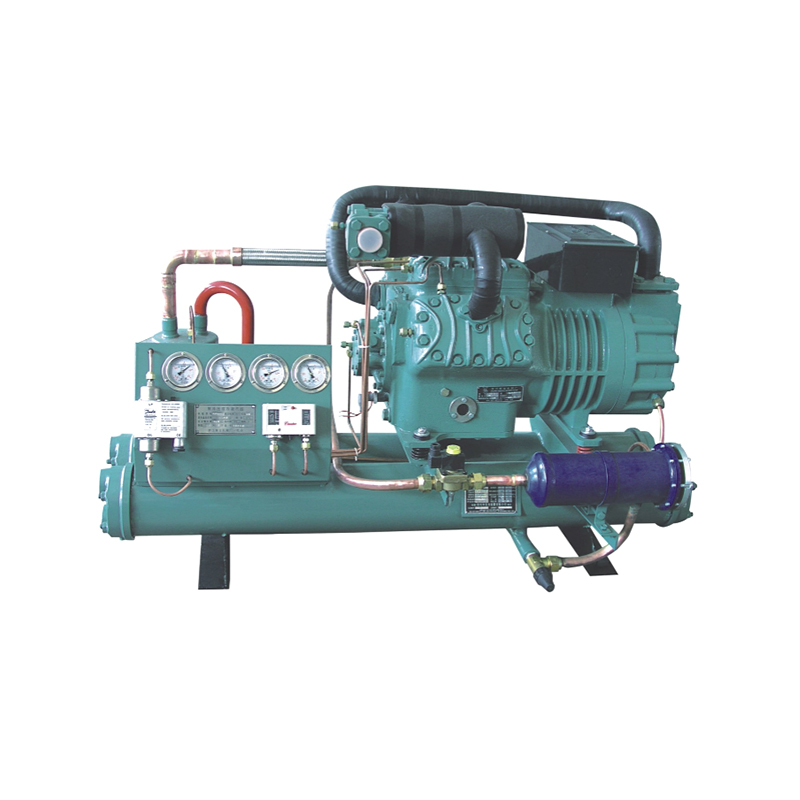
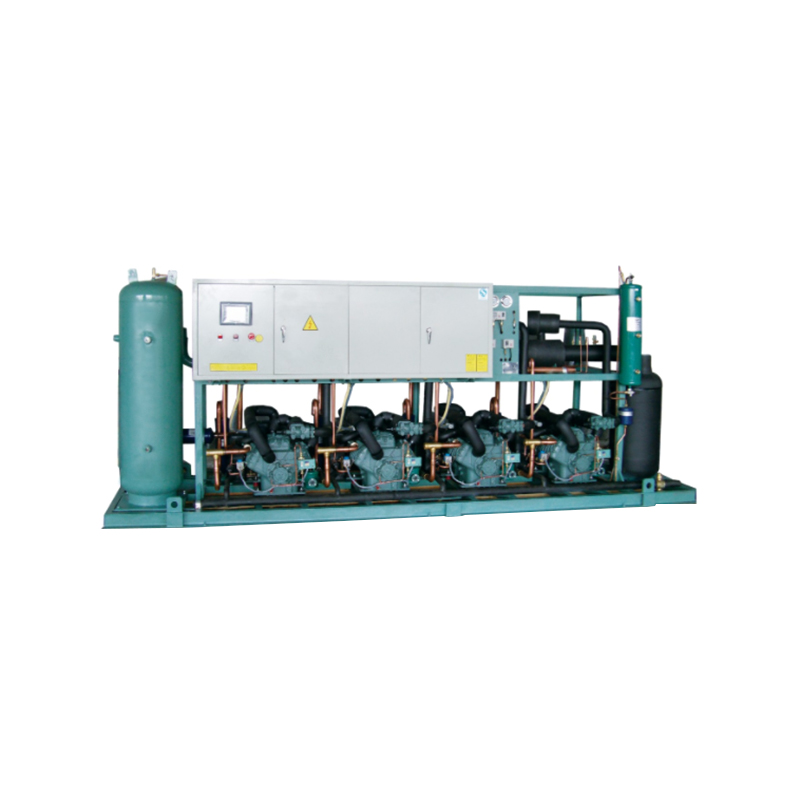
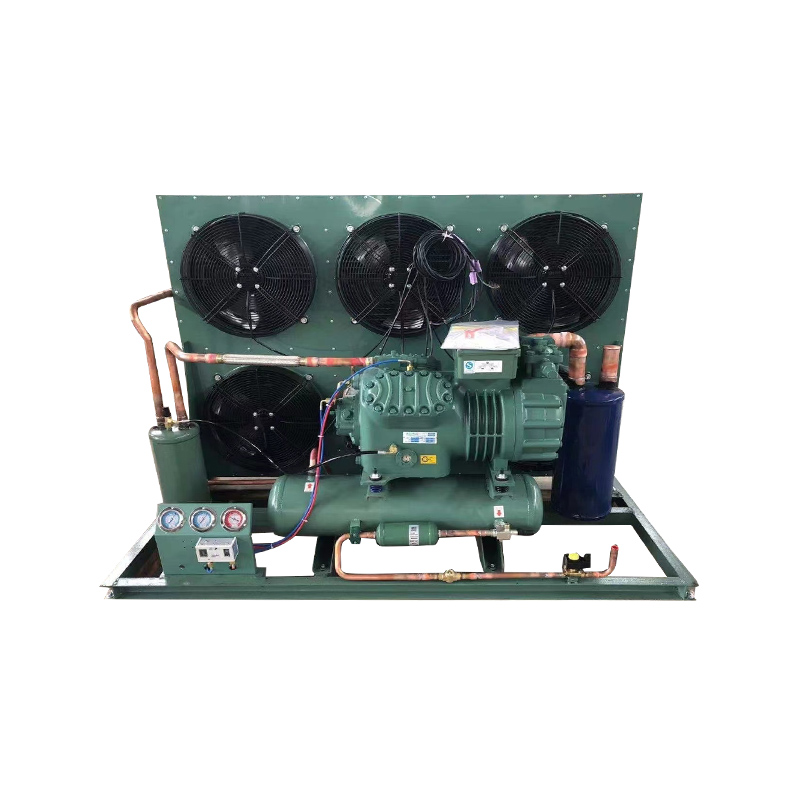
Below is a selection of condenser and condensing unit models commonly used in cold room, water chiller, and industrial refrigeration storage projects, covering both air-cooled and water-cooled configurations.
Condenser vs Evaporator: Two Sides of the Same Cycle
People sometimes confuse a condenser with an evaporator because both are heat exchangers with coils and fins. The difference is direction of heat flow. The evaporator absorbs heat from the space or product being cooled, turning liquid refrigerant into vapor. The condenser does the opposite: it releases that same heat to the outside air or water, turning vapor back into liquid. A cold room or refrigeration storage unit needs both working in balance - an undersized condenser will bottleneck even a well-matched evaporator and compressor.
Signs a Condenser Is Not Working Properly
- High discharge pressure readings on the compressor gauge
- Warm air blowing from the condenser fan instead of hot air
- Dust, dirt, or scale buildup blocking the coil surface
- Compressor cycling on and off more frequently than normal
- Room or storage temperature drifting above the setpoint despite the evaporator running
Most of these issues trace back to restricted airflow or water flow, so routine cleaning and inspection of the coil, fan motor, and fins is the simplest way to keep heat rejection efficient.
Choosing a Condenser for Cold Rooms and Water Chillers
Selecting the right condenser depends on matching its heat rejection capacity to the compressor and evaporator already in the system, plus accounting for ambient conditions at the installation site. A few practical points to check before ordering:
- Confirm the condenser's rated capacity covers the compressor's total heat of rejection, not just the evaporator load
- Match the refrigerant type and connection sizes to avoid retrofitting refrigeration accessories later
- Choose air-cooled models for sites without a reliable water source, and water-cooled or shell and tube models where water chiller loops are already in place
- Account for local ambient temperature swings, since air-cooled condensers lose efficiency in hot climates without enough coil area
Sourcing Condensers from a Chinese HVAC Manufacturer
Many cold room and water chiller projects source condensers, condensing units, compressors, and evaporators together from a single Chinese manufacturer HVAC supplier to keep components compatible and simplify after-sales support. Working with one supplier for the full refrigeration lineup - condenser, air cooler, and related refrigeration accessories - also tends to shorten lead times and makes it easier to get replacement parts that match the original specifications.