 English
 русский
 Tiếng Việt
Content
- 1 Why the R290 vs R404A Question Matters
- 2 R404A: The Conventional Workhorse
- 3 R290: The Natural Refrigerant
- 4 R290 vs R404A: Side-by-Side Comparison
- 5 Why R290 Is Not a Drop-In Refrigerant
- 6 Selecting Equipment for R290
- 7 Retrofit Considerations for Existing R404A Systems
- 8 Decision Guide: Which Refrigerant Should You Specify?
- 9 Frequently Asked Questions
Picture a cold storage supervisor reviewing last quarter's energy bills. The compressors run almost continuously, and the R404A in the lines is becoming harder to justify. A vendor suggests R290, but the cylinder carries a prominent "flammable" label. The R290 vs R404A refrigerant decision is not simply a matter of environmental impact. It is about whether R290 can deliver the same or better performance in your specific system, and whether your installation can safely handle a flammable charge. The short answer: for new equipment, R290 is usually the more future-proof choice; for an existing R404A system, it is not a drop-in.
Why the R290 vs R404A Question Matters
Refrigerant choice used to be a detail on a specification sheet. Today it affects capital cost, operating cost, regulatory compliance, and safety. R404A is a high-GWP hydrofluorocarbon (HFC) blend with a 100-year global warming potential (GWP) of roughly 3,900. The EU F-Gas regulation, the Kigali Amendment, and similar national rules are restricting HFC supply, which makes R404A progressively more expensive. R290 is a natural hydrocarbon (propane) with a GWP close to 3. It is also a better thermodynamic match for many small and medium-temperature applications, which is why manufacturers are shifting to it. Understanding the difference helps you avoid an expensive conversion or a non-compliant installation.
R404A: The Conventional Workhorse
R404A became widespread in the 1990s as a non-flammable replacement for R502 in commercial refrigeration. It performed well in low-temperature cases, cold rooms, and transport equipment. Because it is a blended refrigerant, it must be charged as a liquid and kept at the correct composition. The main drawback is environmental. With a GWP near 3,900, R404A is one of the heavier HFCs, and reclaimed R404A is already restricted in several markets. That does not mean every existing system must be replaced tomorrow, but service contractors need to plan for reduced availability and higher prices.
R290: The Natural Refrigerant
R290 is pure propane, not a blend. It has zero ozone depletion potential (ODP) and a GWP around 3. Thermodynamically, it transfers heat efficiently: thermal conductivity is higher than R404A, viscosity is lower, and the pressure-temperature curve suits commercial refrigeration. Engineering studies often show a 5-10% coefficient of performance (COP) improvement. The testing data compiled by equipment manufacturers also points to discharge temperatures roughly 15°F lower, which reduces compressor stress and improves oil return. The tradeoff is flammability. R290 is classified A3, so it is not a simple component-for-component swap. Charge limits apply in many occupied applications, and any electrical or safety component in contact with the refrigerant must be rated for hydrocarbon use.
R290 vs R404A: Side-by-Side Comparison
The table below summarizes the most important differences for a buyer.
| Parameter | R404A | R290 |
|---|---|---|
| Safety class | A1 (non-flammable) | A3 (flammable) |
| GWP (100-yr) | About 3,900 | About 3 |
| ODP | 0 | 0 |
| Typical application | Medium/low-temperature commercial refrigeration | Light commercial equipment, condensing units, small cold rooms |
| Discharge temperature | Higher in high-ambient systems | Often about 15°F lower |
| Relative energy efficiency | Baseline | 5-10% higher COP in many systems |
| Drop-in into existing R404A system | Not applicable | No |
In a freezer test, replacing R404A with R290 raised COP by about 7%. The chart below shows that relative improvement.
Why R290 Is Not a Drop-In Refrigerant
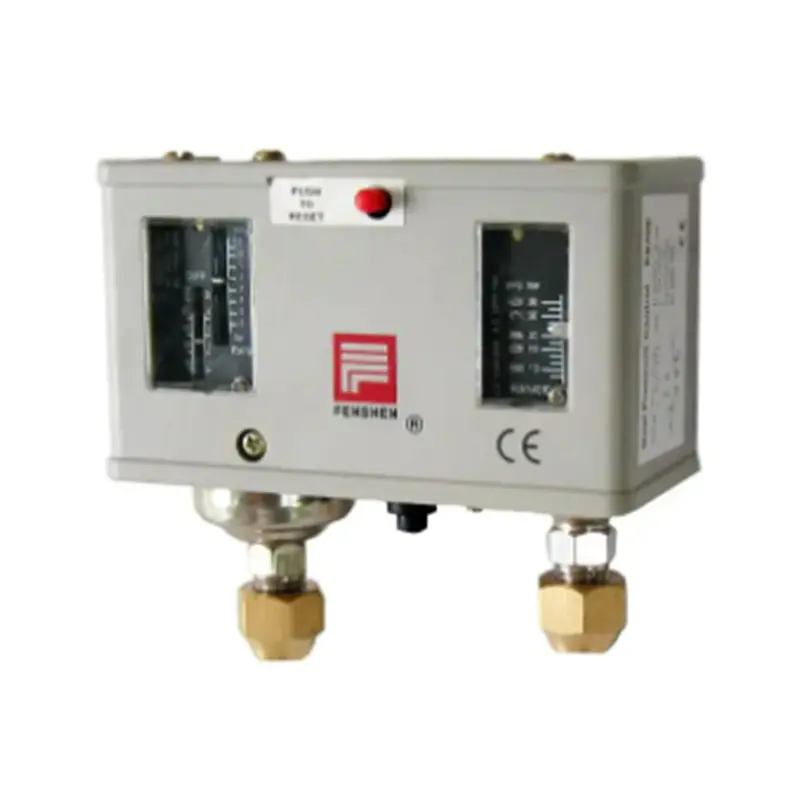
The biggest mistake is treating R290 as just another gas. It is a hydrocarbon under pressure. A system built for R404A has a compressor, valves, and controls that may not be approved for propane. The charge size matters because safety standards cap flammable charge in many occupied spaces. You also need to verify oil compatibility, replace filter driers, resize the expansion valve, and adjust pressure controllers. A pressure controller calibrated for R404A cannot simply be left in place because the pressure-temperature relationship is different. A tiny spark from a contactor or fan relay can be an ignition source, so the electrical enclosure must be designed for A3 refrigerants.
Selecting Equipment for R290
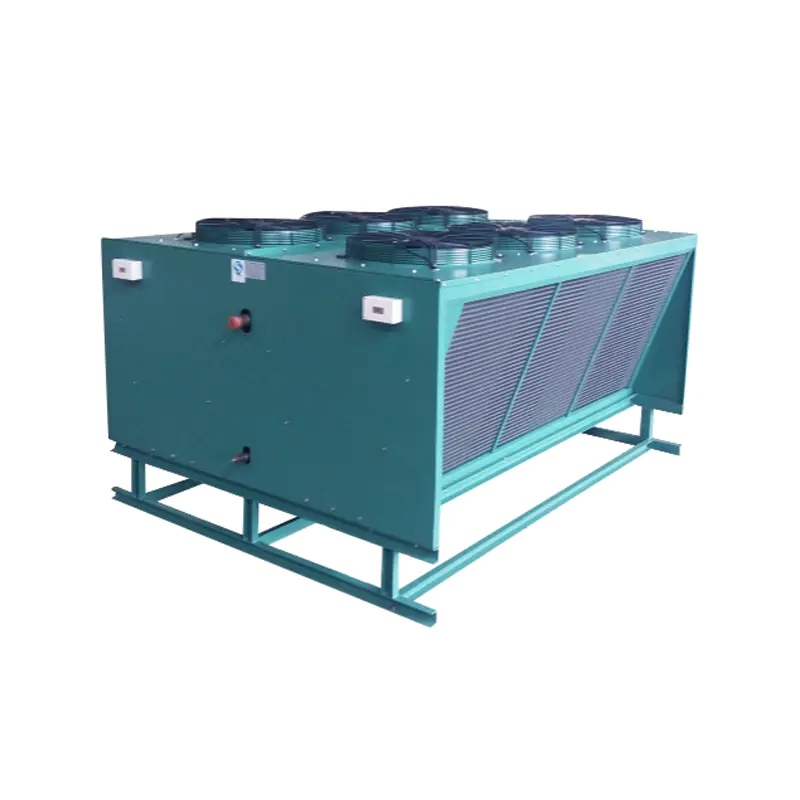
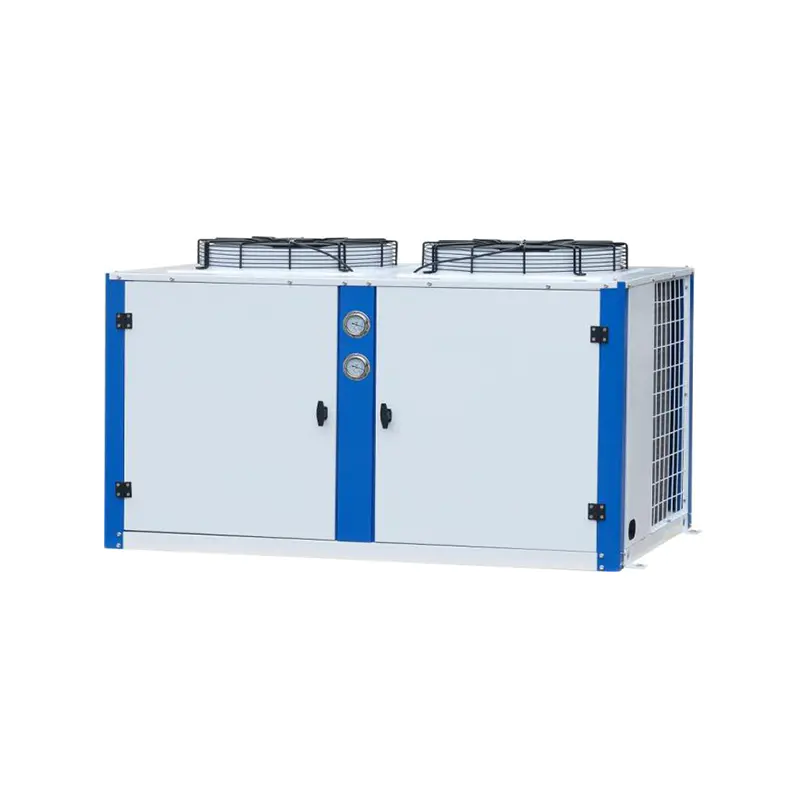
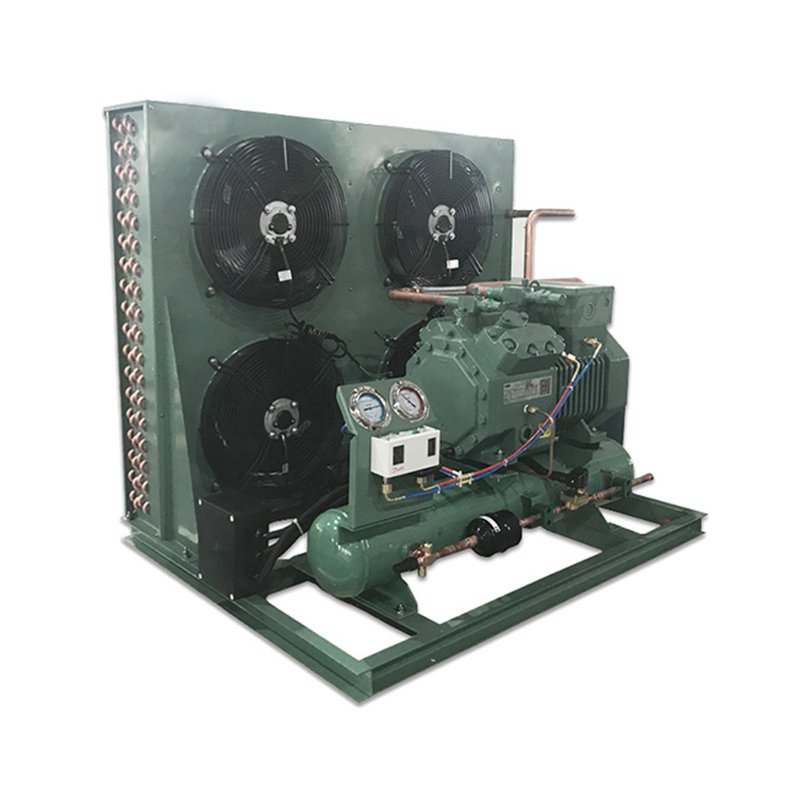
Because R290 needs a fully certified assembly, packaged equipment has a clear advantage. A complete box-type condensing unit keeps the compressor, receiver, and electrical box together, which reduces the amount of field piping and makes it easier to confirm the overall safety rating. For projects where the condenser must be placed outdoors, an air-cooled condensing unit with a weatherproof housing keeps the heat outside and the refrigerant charge in one place. Whichever package you choose, verify that the nameplate lists R290 or at least an A3 rating; a standard R404A condensing unit is not automatically acceptable.
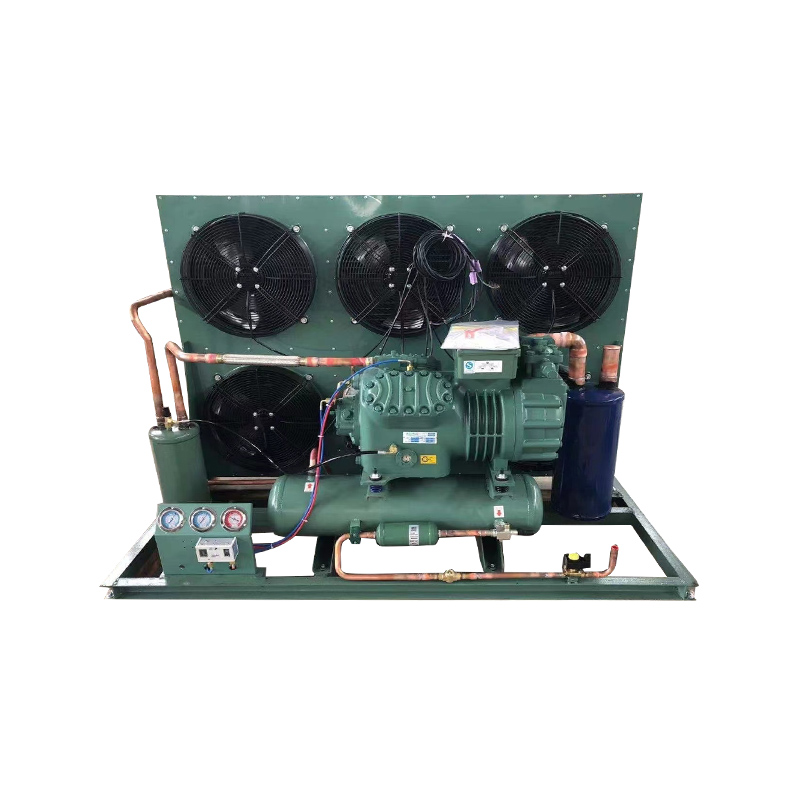 Custom Air-cooled condensing unit Manufacturers, Suppliers - Zhejiang Brozer RefZhejiang Brozer Refrigeration Technology Co., Ltd is China OEM/ODM Air-cooled condensing unit manufacturers and Air-cooled condensing uni...View Product →
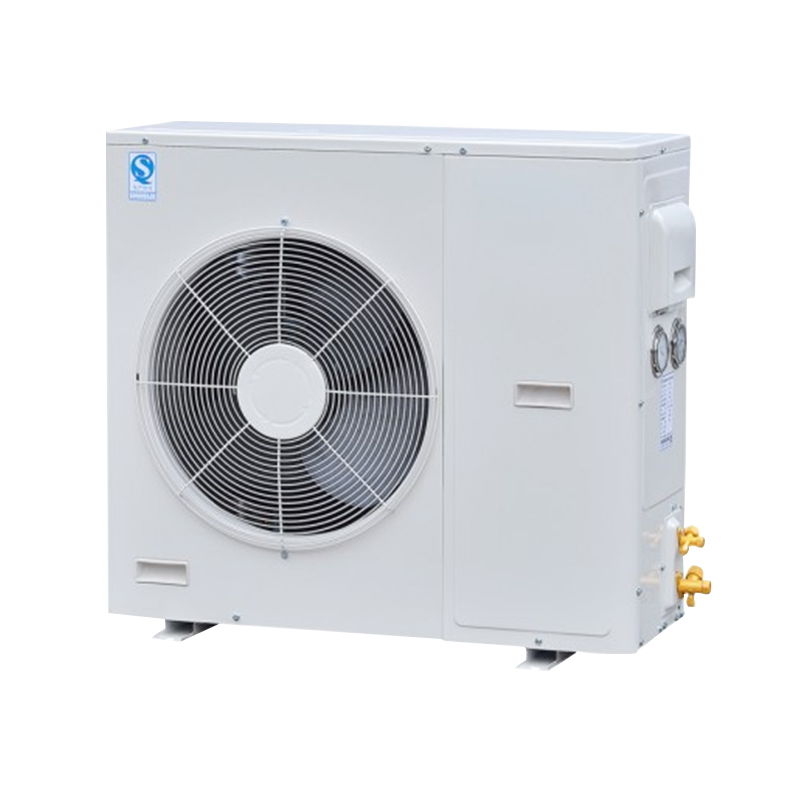 Custom Box-type condensing unit Manufacturers, Suppliers - Zhejiang Brozer RefriZhejiang Brozer Refrigeration Technology Co., Ltd is China OEM/ODM Box-type condensing unit manufacturers and Box-type condensing unit su...View Product →
Retrofit Considerations for Existing R404A Systems
Retrofitting is possible, but only with a full engineering review. The compressor must be listed for propane, the expansion valve must match the new refrigerant, the piping may need changes, and leak tightness must be verified. If the existing compressor is not approved, replacing it with a new one is the starting point. Many facilities choose a field-erected design with an open-type condensing unit to keep the motor away from refrigerant-bearing parts. Pressure switches and controllers must be checked against the R290 curve, and the system must be leak-tested before charging. A flush with the correct oil and a new filter drier is essential because residual R404A and oil can affect performance.
Decision Guide: Which Refrigerant Should You Specify?
Choose R290 when:
- GWP reduction is a contract or regulatory requirement.
- The total refrigerant charge can meet the applicable hydrocarbon charge limit.
- The site can control ignition sources and has trained staff.
- New equipment can be sourced from a manufacturer that has already designed for R290.
Use R404A when:
- The existing R404A system is still efficient and has years of life left.
- Charge size is too large for a flammable refrigerant under local code.
- Maintenance staff are not yet equipped for hydrocarbon safety.
- The application is a large industrial plant where ammonia, CO2, or another refrigerant is a more practical long-term option.
If you choose R290, centralizing the compressor rack can reduce the indoor charge. A parallel condensing unit is a common approach when multiple temperature zones share a machine room, and it gives you a clear place to install the extra safety devices that hydrocarbon refrigerants require.
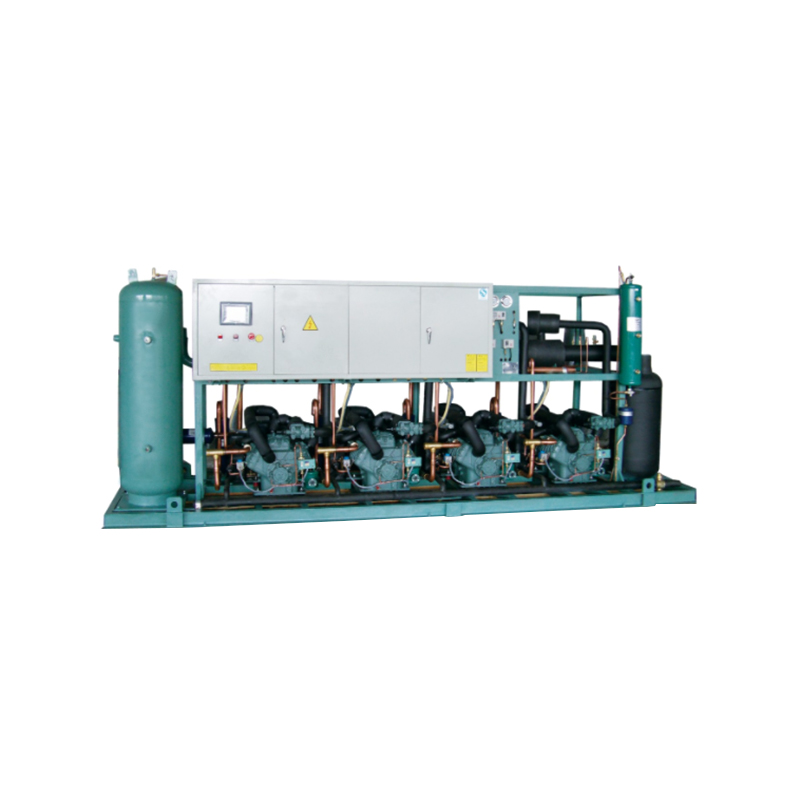 Custom Parallel condensing unit Manufacturers, Suppliers - Zhejiang Brozer RefriZhejiang Brozer Refrigeration Technology Co., Ltd is China OEM/ODM Parallel condensing unit manufacturers and Parallel condensing unit su...View Product →
Frequently Asked Questions
Can I just add R290 to my existing R404A system?
No. R290 is not a drop-in. The compressor, expansion device, safety controls, and electrical system must be designed or approved for propane. Retrofitting without manufacturer validation creates a leak and ignition risk.
Is R290 more efficient than R404A?
In most tests, yes. Many commercial freezer and cold-room tests show a 5-10% COP improvement. Lower discharge temperature also reduces compressor stress. Actual savings depend on evaporating temperature and ambient conditions.
Why is R404A still used?
Because some existing systems are large, and hydrocarbon charge limits prevent a simple conversion. R404A is also non-flammable, which makes it easier to use in occupied spaces without additional ventilation.
Does R290 require special equipment?
Yes. Look for condensing units, evaporators, pressure controls, and electrical components rated for A3 refrigerants. Using standard R404A components with R290 can invalidate the safety certification and create a serious fire hazard.