 English
 русский
 Tiếng Việt
Content
Choosing the right condensing unit is a crucial step for ensuring optimal performance in refrigeration systems. With various types and specifications available, understanding your needs and comparing features is essential to select a unit that delivers reliability, energy efficiency, and long-term operation.
Understand Your Cooling Requirements
Start by evaluating your cooling load and application type. Consider the size of your space, the temperature range required, and the type of refrigerant your system uses. This ensures that your condensing unit is properly matched to your system, preventing underperformance or excessive energy consumption.
Types of Condensing Units
There are several types of condensing units, each suited for different applications:
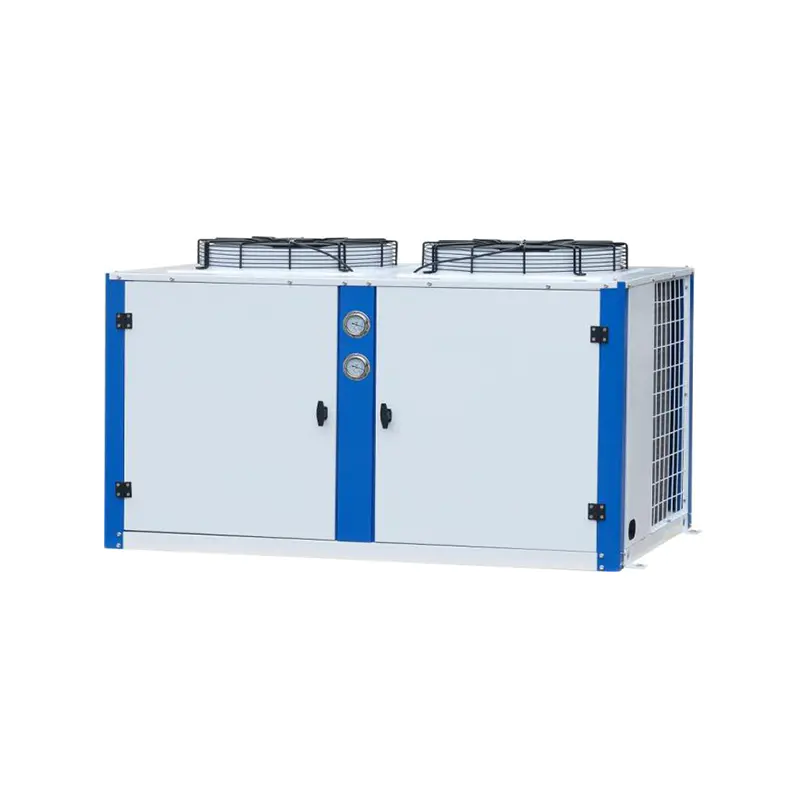
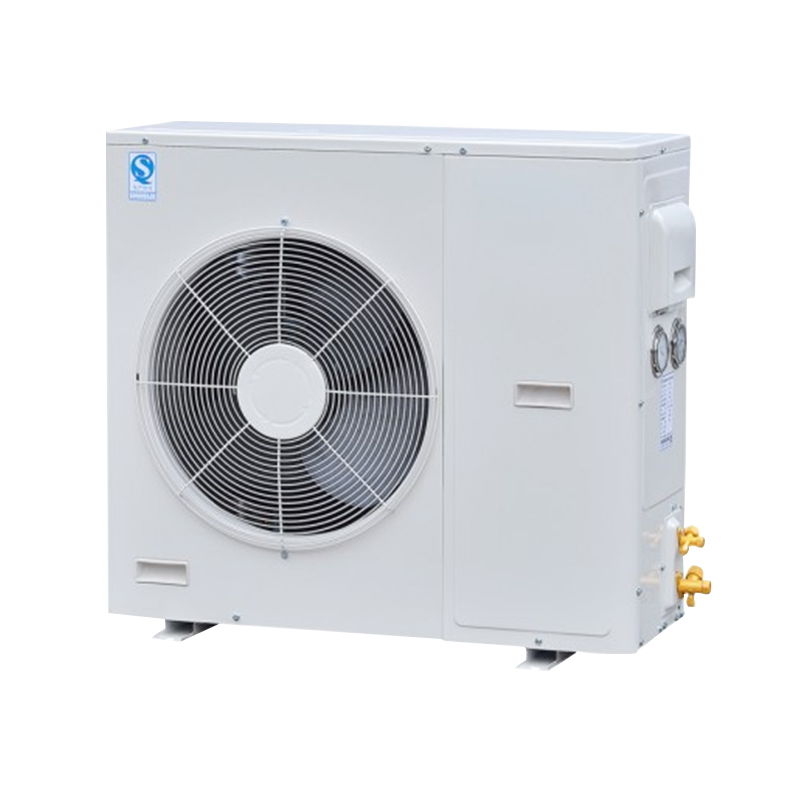
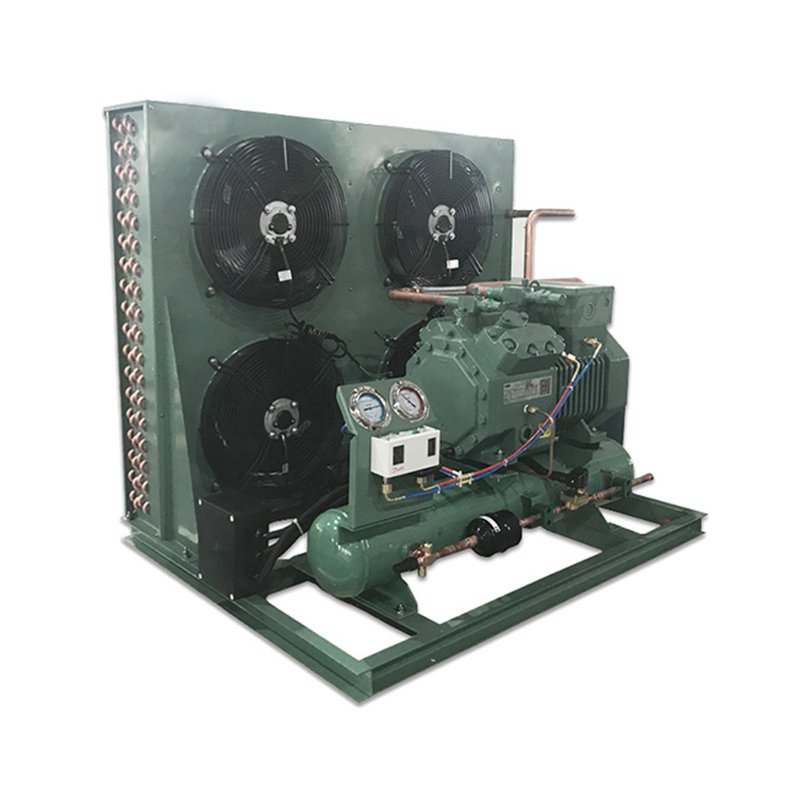
- Box Type Condensing Units: Compact and enclosed, ideal for commercial refrigeration.
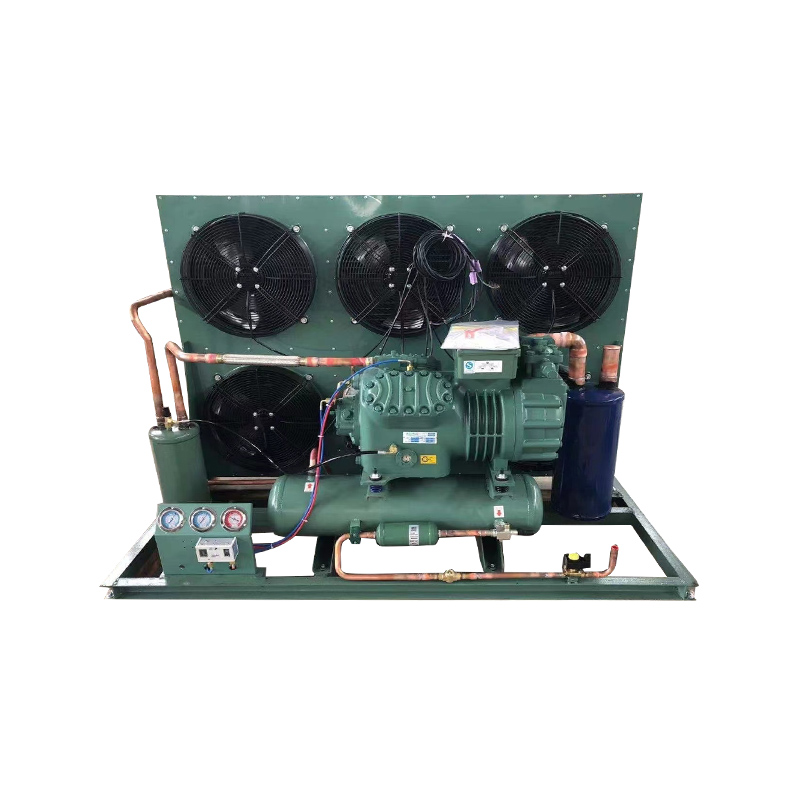
- Open Type Condensing Units: Flexible installation, suitable for larger industrial spaces.
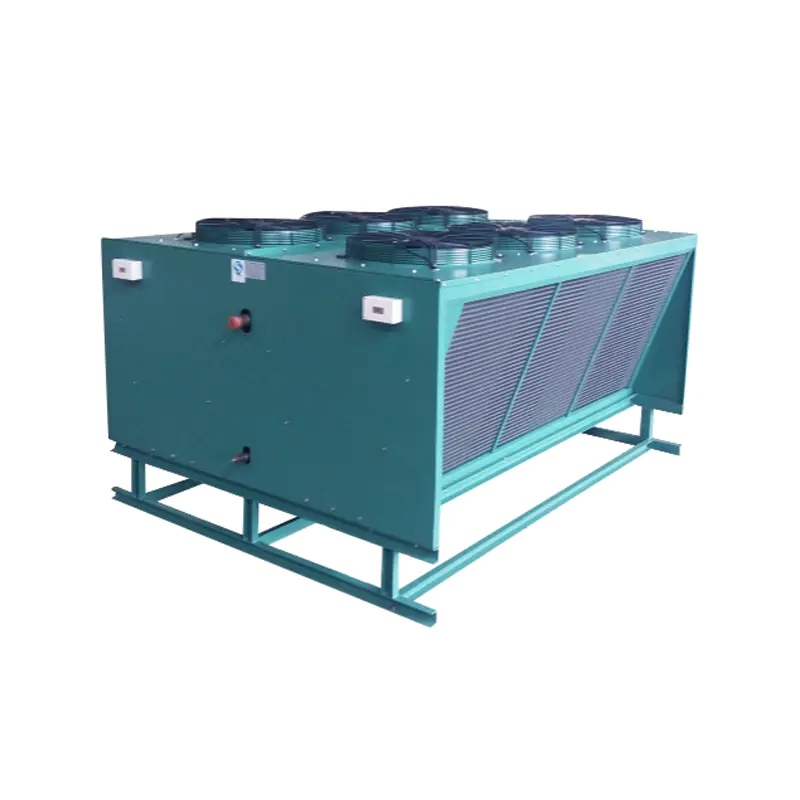
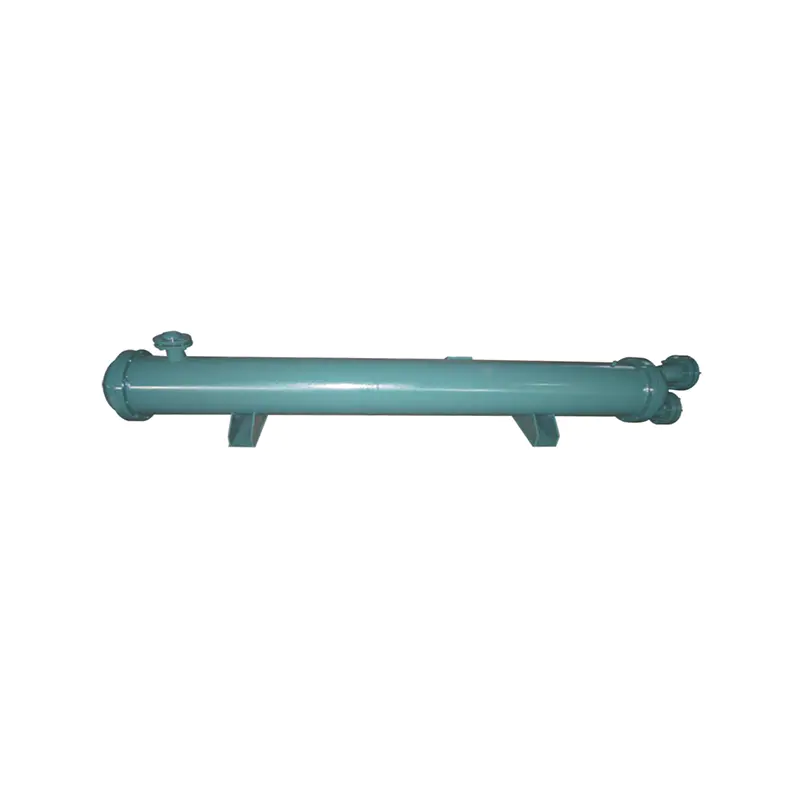
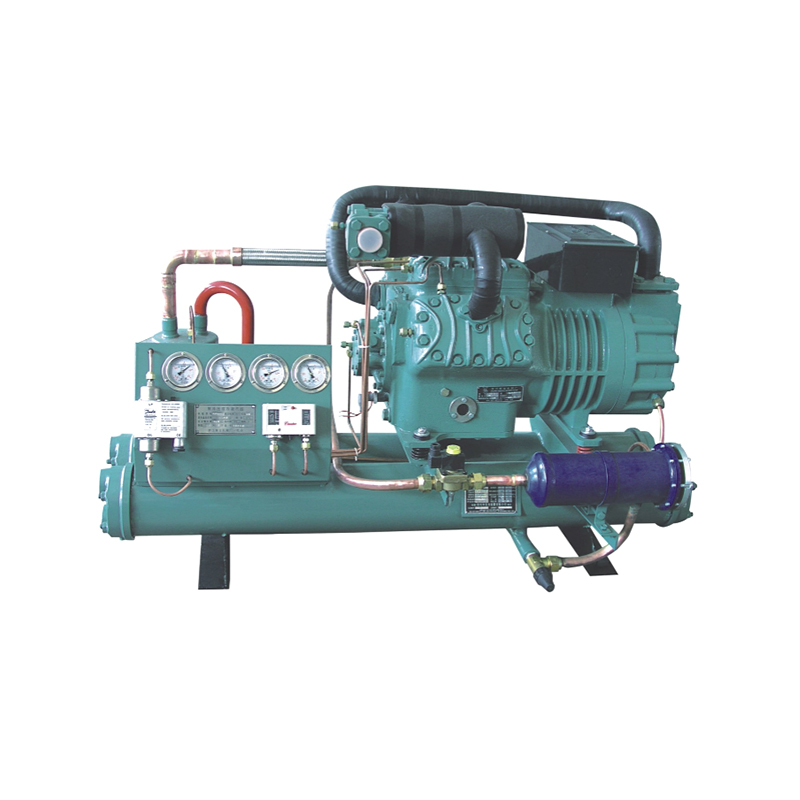
- Water Cooler Condensing Units: Uses water cooling for improved efficiency, commonly used in industrial refrigeration.
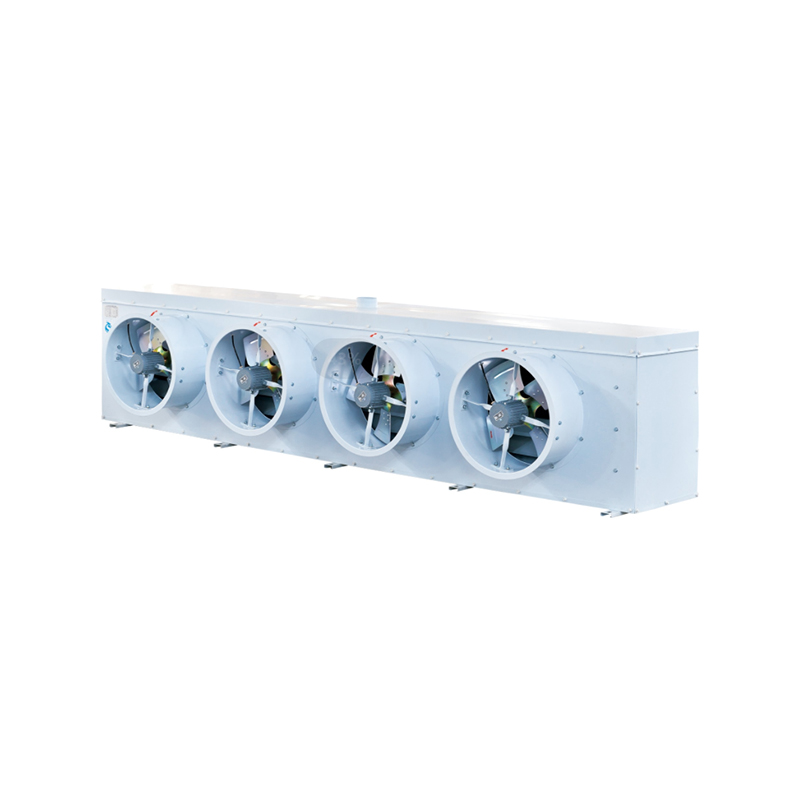
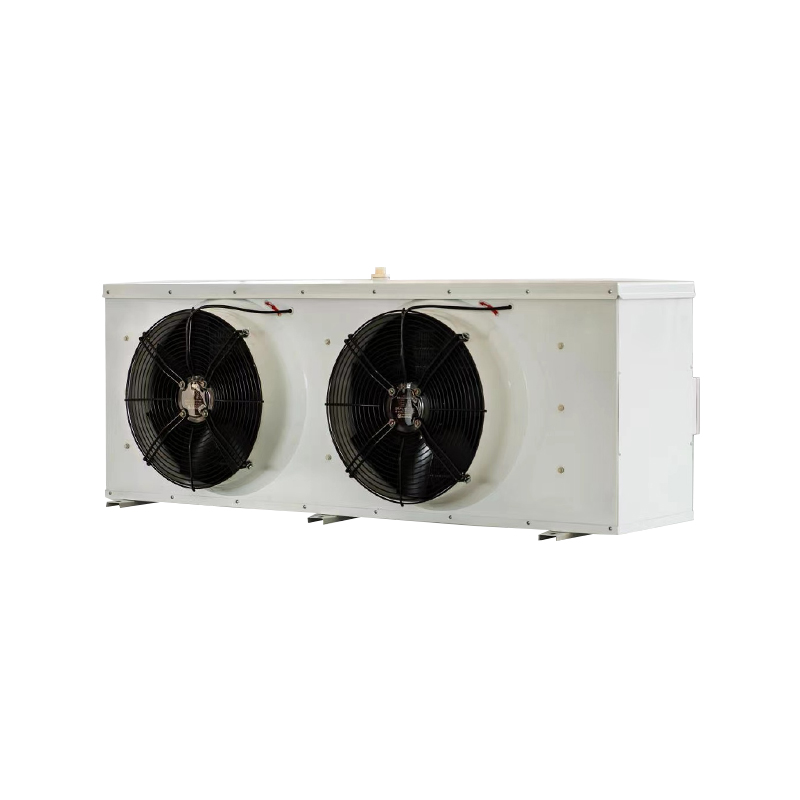
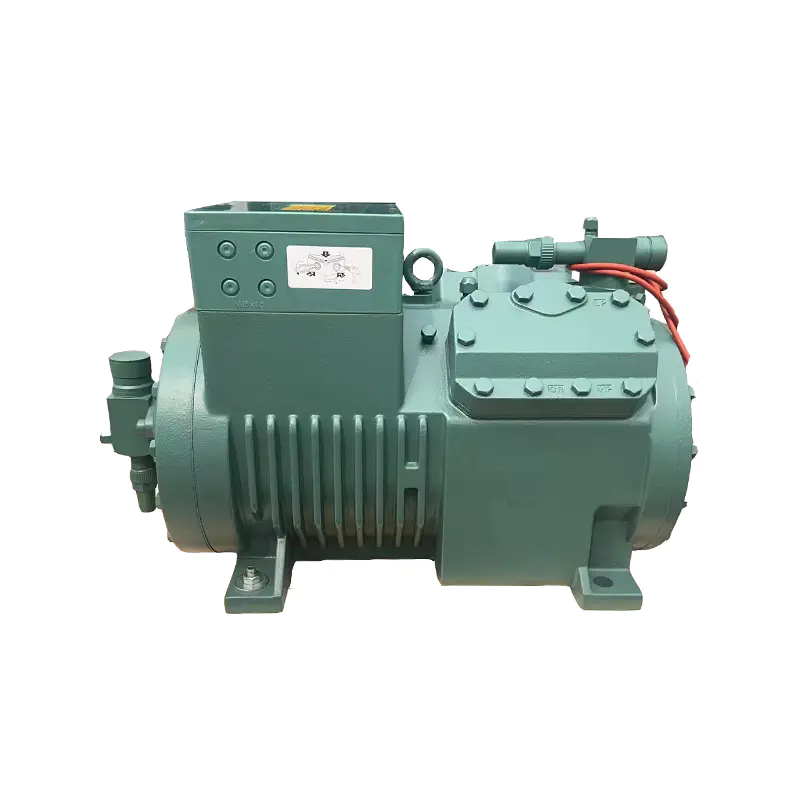
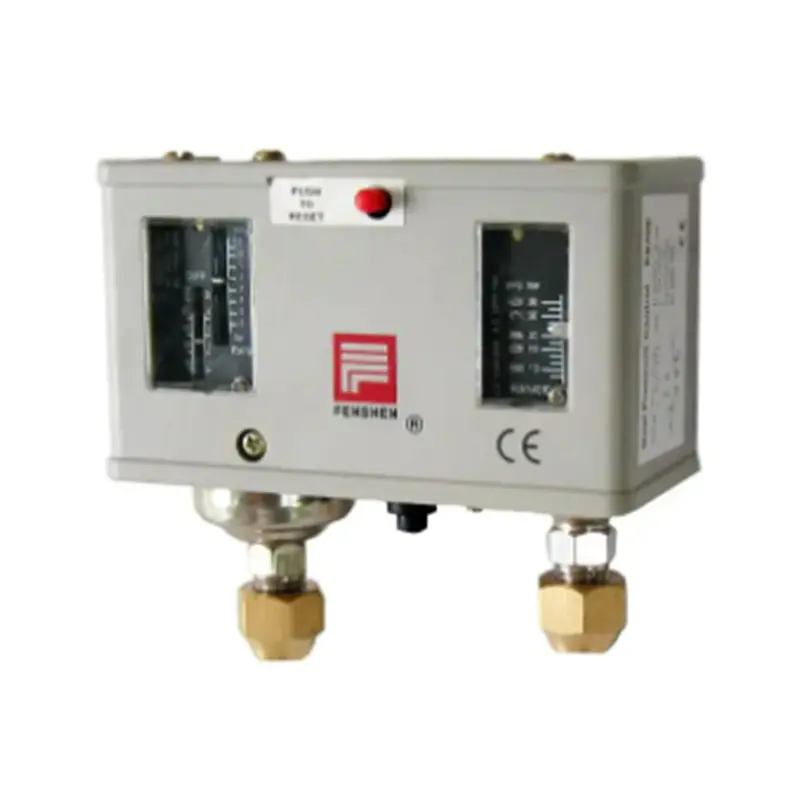
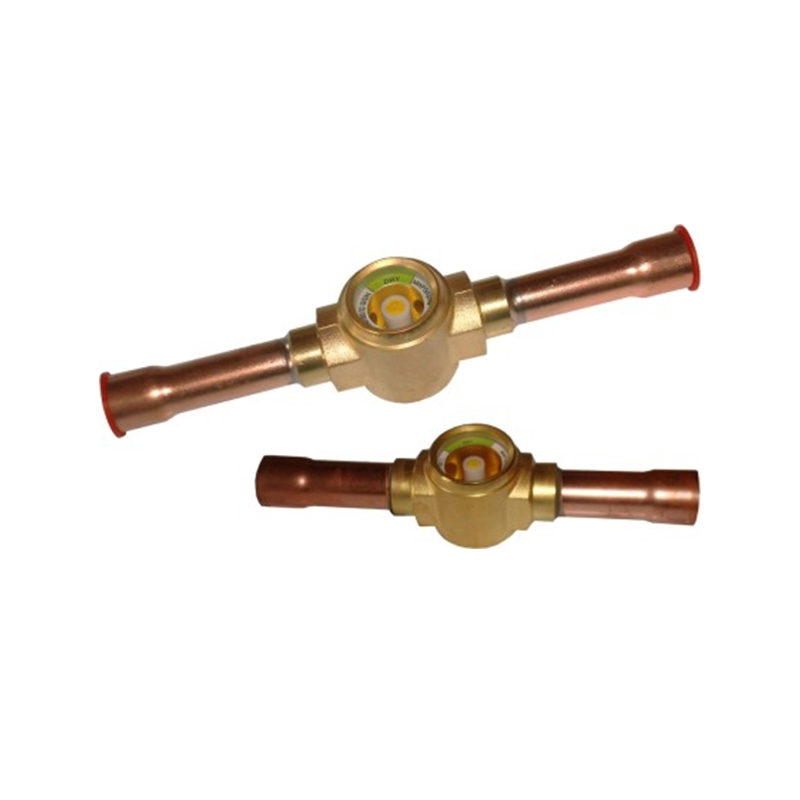
Popular Condensing Unit Products
Key Features to Consider
- Cooling Capacity: Ensure the unit meets your system’s BTU or kW requirements.
- Energy Efficiency: Look for units with high COP (Coefficient of Performance) to reduce electricity costs.
- Durability: Materials and build quality should withstand long-term operation and environmental conditions.
- Noise Levels: Consider if low noise is required for commercial or residential settings.
Installation and Maintenance Considerations
Proper installation is crucial for optimal performance. Ensure adequate airflow, correct refrigerant piping, and regular maintenance, including cleaning coils and checking electrical connections. This prolongs the life of your condensing unit and maintains efficiency.
FAQ
Q1: How do I choose between air-cooled and water-cooled condensing units?
Air-cooled units are simpler and easier to install, while water-cooled units are more energy-efficient for larger industrial systems.
Q2: Can one condensing unit fit multiple refrigeration applications?
Yes, but it’s important to match the unit’s capacity and type to the specific cooling requirements of each application.
Q3: How often should condensing units be serviced?
Regular maintenance every 6-12 months is recommended, including cleaning coils, checking refrigerant levels, and inspecting electrical connections.
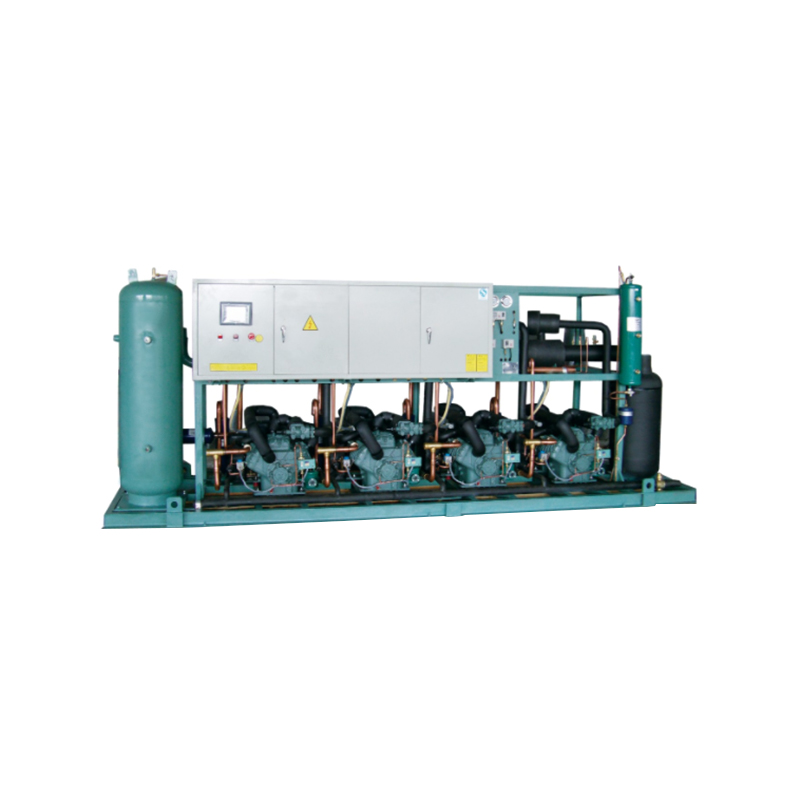
Q4: Are modular condensing units suitable for expansion?
Yes, modular designs allow for easy system expansion and adaptation to larger cooling demands.