 English
 русский
 Tiếng Việt
Content
Common Condensing Unit Problems and How to Troubleshoot Them
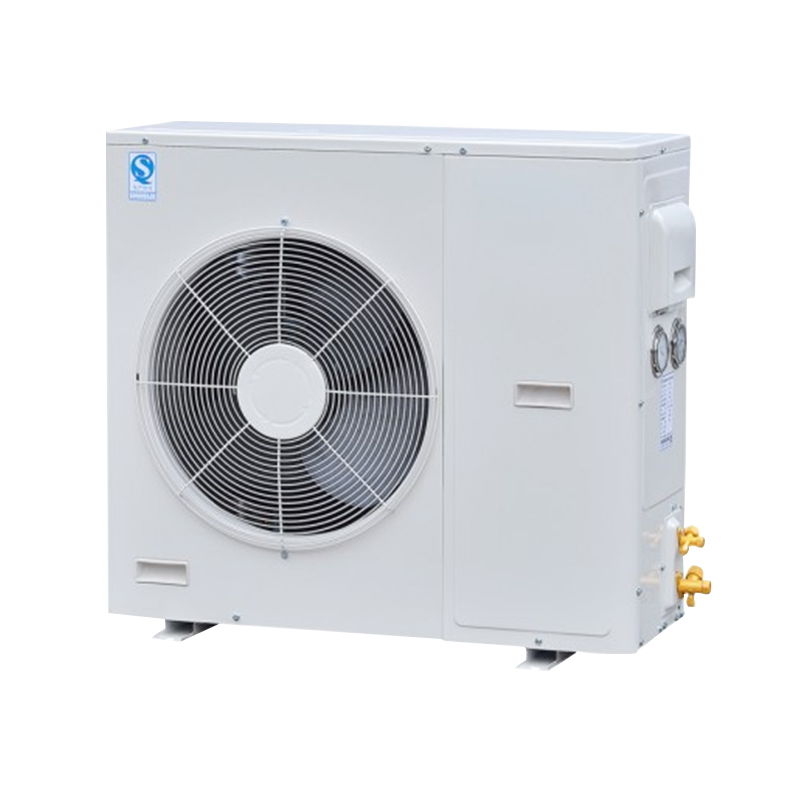
Condensing units are a vital part of refrigeration and HVAC systems. However, like all mechanical equipment, they can experience malfunctions that reduce efficiency or stop the system altogether. Understanding common issues and how to troubleshoot them helps ensure reliability and longevity.
1. Unit Not Starting
If the condensing unit fails to start, check the power supply first. Ensure circuit breakers and fuses are functional. Inspect the wiring for any loose or damaged connections.
Additionally, check the thermostat settings and ensure the start relay and capacitor are operational. Replacing faulty electrical components often resolves the issue.
2. Excessive Noise During Operation
Unusual noises such as rattling, banging, or humming can indicate mechanical problems or debris in the unit. Loose fan blades, worn bearings, or refrigerant issues are common culprits.
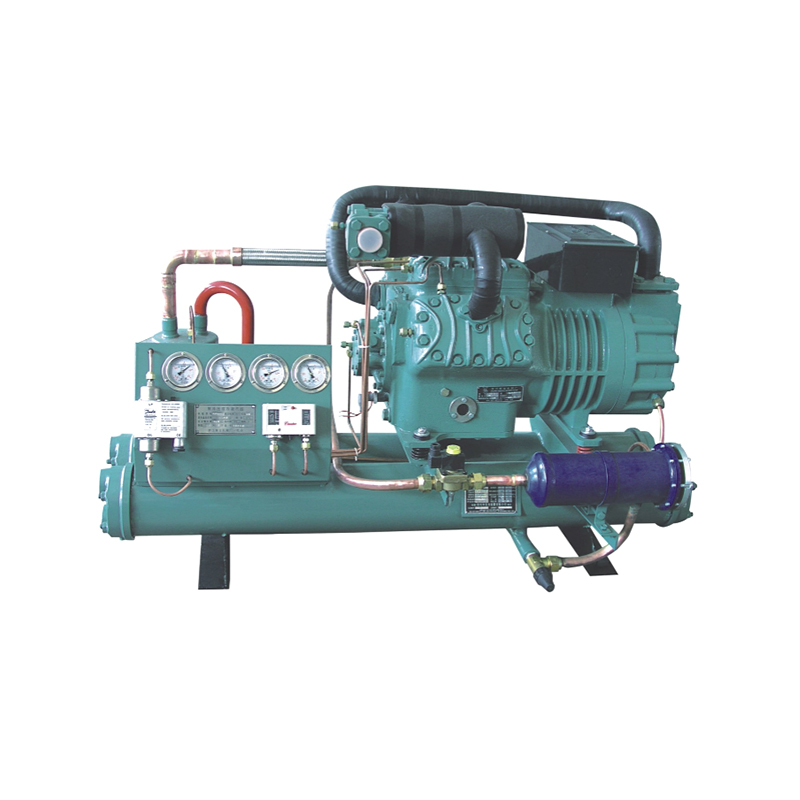
Tighten any loose components, lubricate moving parts, and check refrigerant pressures to minimize noise and prevent long-term damage.
3. High Discharge Pressure
High discharge pressure can reduce system efficiency and trigger safety cutoffs. Causes include clogged condenser coils, dirty filters, or insufficient airflow.
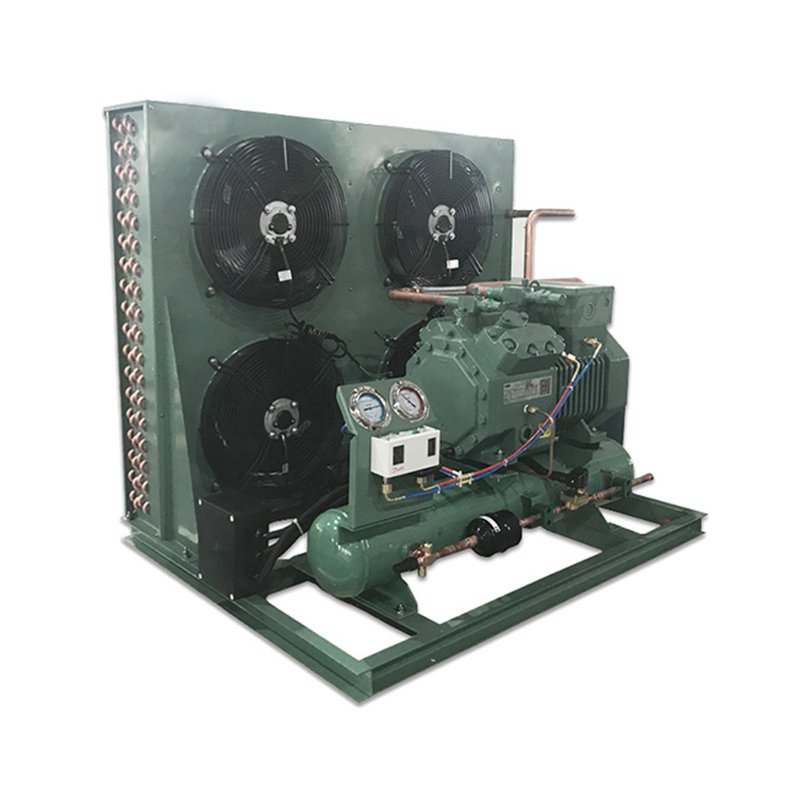
Cleaning condenser fins, ensuring fans are operational, and checking refrigerant charge levels are key steps in troubleshooting high pressure.
4. Low Cooling Efficiency
If the system is running but cooling performance is poor, inspect the following:
- Dirty condenser coils reducing heat dissipation.
- Incorrect refrigerant charge (too low or high).
- Faulty expansion valves or thermostatic components.
- Airflow restrictions caused by blocked fans or ducts.
Regular cleaning, proper refrigerant charging, and component inspection restore cooling efficiency.
5. Frequent Cycling On and Off
Short cycling can indicate oversized units, low refrigerant, or thermostat problems. Monitor the system's run times and check for proper sizing and refrigerant levels.
Adjust thermostat settings and verify control sensors to prevent stress on the compressor and extend equipment life.
Condensing Unit Troubleshooting Table
| Problem | Possible Cause | Solution |
| Unit not starting | Power failure, blown fuse, faulty relay | Check power, replace fuses/relays, verify wiring |
| Excessive noise | Loose parts, worn bearings, debris | Tighten, lubricate, clean debris |
| High discharge pressure | Dirty coils, low airflow, overcharged refrigerant | Clean coils, check fans, adjust refrigerant |
| Low cooling | Clogged coils, low refrigerant, faulty valve | Clean, charge refrigerant, replace faulty components |
| Short cycling | Oversized unit, low refrigerant, sensor issue | Verify size, adjust refrigerant, check sensors |
Conclusion
By understanding common condensing unit problems and their solutions, operators can maintain efficient and reliable refrigeration systems. Regular inspections, cleaning, and timely repairs not only improve performance but also extend the lifespan of the equipment.
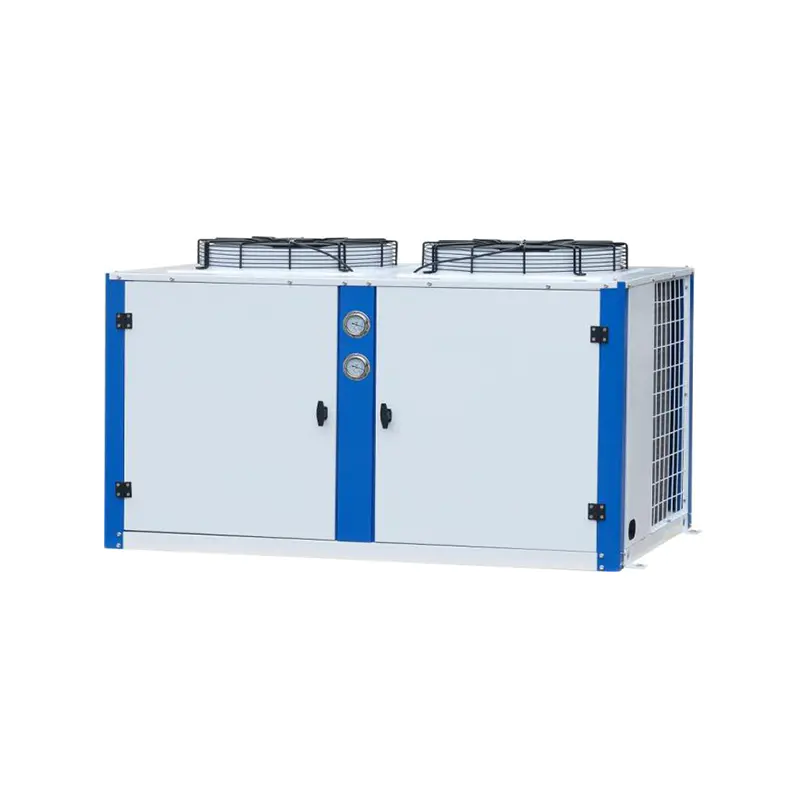
For more professional condensing units and support, visit our product pages to explore a wide range of Box Type Condensing Units, Open Type Condensing Units, and Water Cooler Condensing Units.