 English
 русский
 Tiếng Việt
Content
What is the role of a Refrigeration Condenser in cooling systems?
A refrigeration condenser removes heat absorbed by the refrigerant in the evaporator and releases it into the surrounding environment. This heat exchange process is vital for maintaining the desired temperature in refrigeration units. Effective condensers improve system efficiency, reduce energy consumption, and prevent overheating or compressor damage.
Types of Refrigeration Condensers
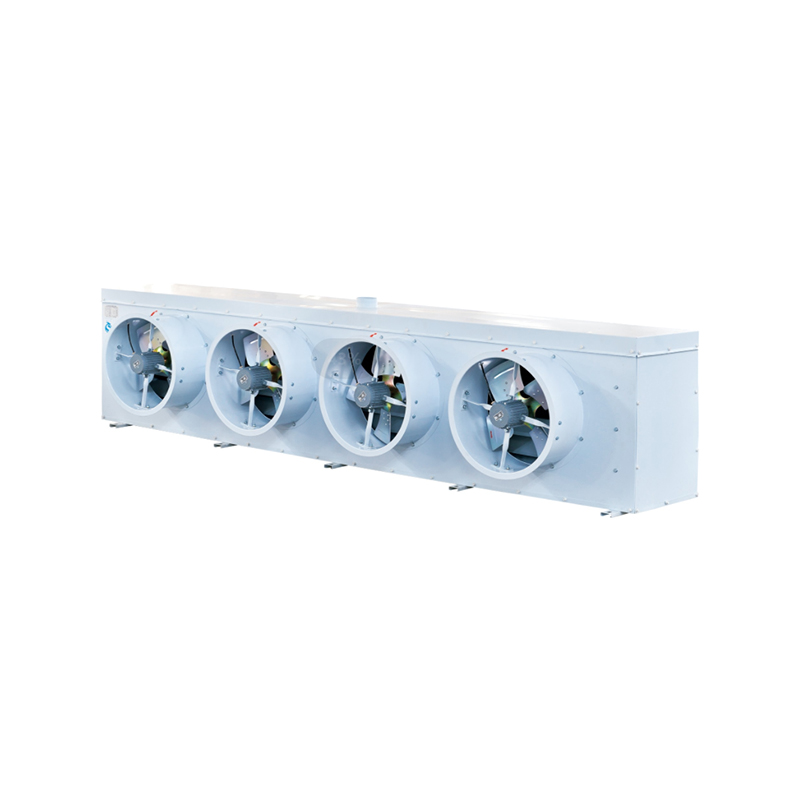
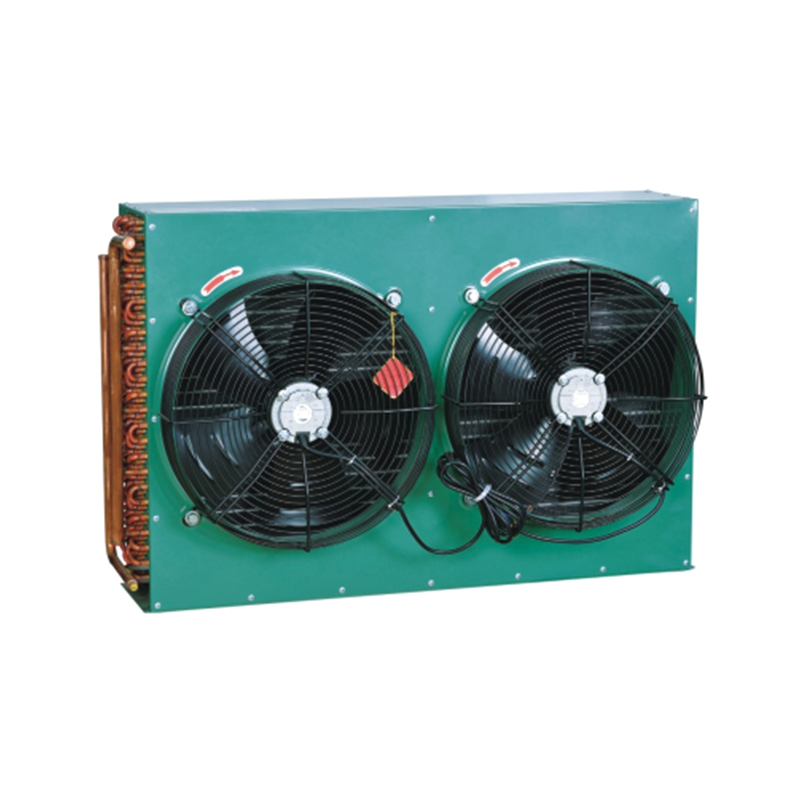
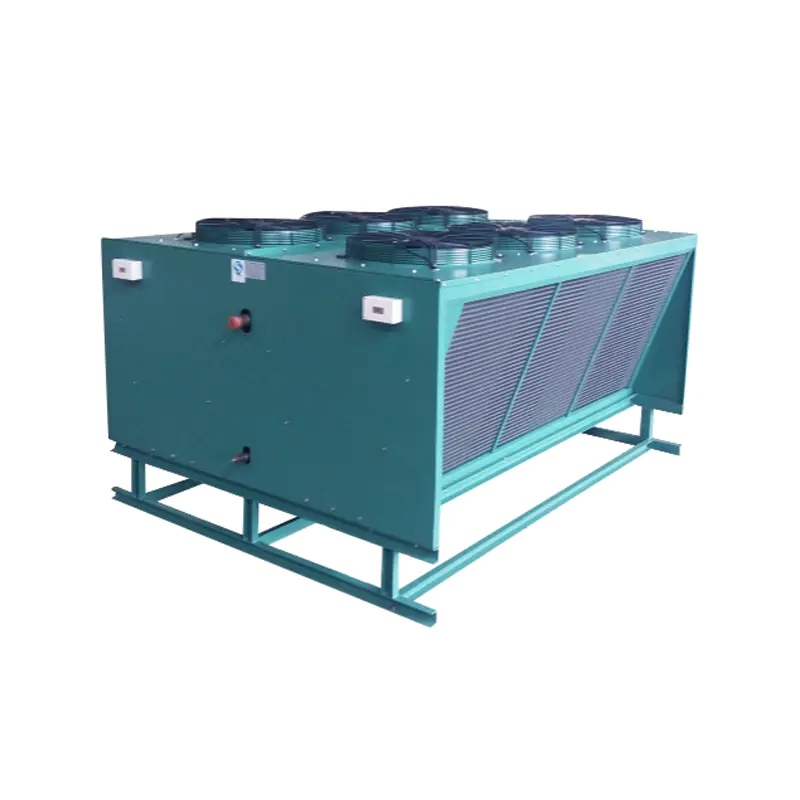
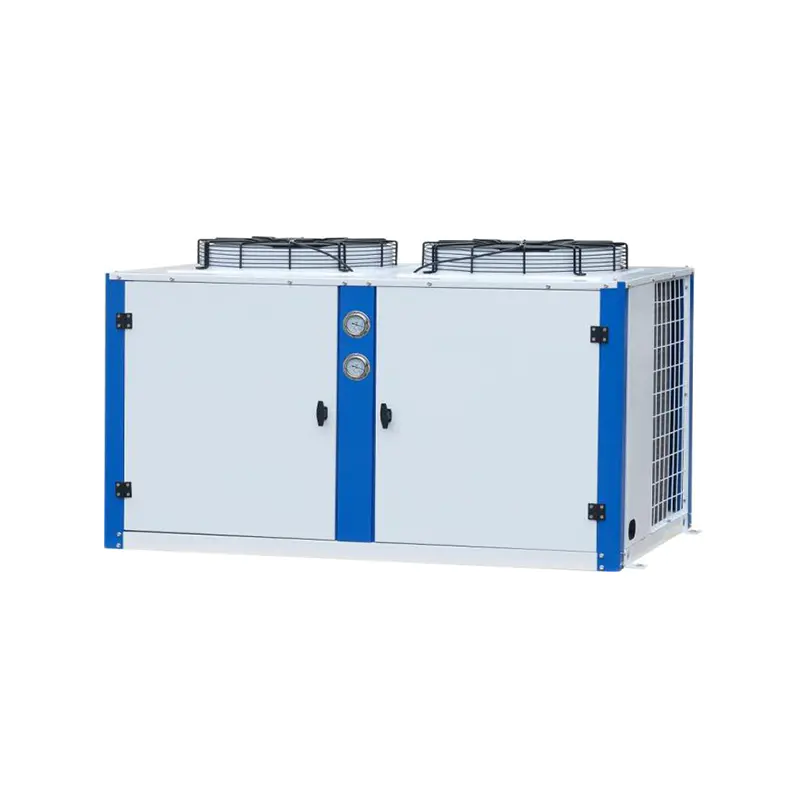
There are several types of air-cooled condensers commonly used in commercial and industrial applications:
Benefits of High-Quality Refrigeration Condensers
- Energy Efficiency: Reduces operational costs by improving heat rejection efficiency.
- Durability: Corrosion-resistant materials extend service life.
- Stable Performance: Maintains consistent cooling even under heavy load.
- Reduced Maintenance: Quality design minimizes system downtime.
Refrigeration Condenser Comparison Table
| Feature | H Type | V Type | U Type |
| Air Outlet | Plate type side outlet | V-type apical outlet | U-type apical outlet |
| Material & Structure | Copper tubes with aluminum fins, staggered coils | Steel plate shell, phosphated & spray-coated | Customizable per project requirements |
| Applications | Industrial & large commercial cooling | Industrial & commercial environments | Specialized/customized cooling systems |
Frequently Asked Questions (FAQ)
Q1: Why is a Refrigeration Condenser important for cooling efficiency?
A: It removes heat from the refrigerant, ensuring consistent cooling and lower energy consumption.
Q2: Can I choose a condenser type based on my building size?
A: Yes, H and V types are ideal for standard industrial/commercial applications, while U type is for custom requirements.
Q3: How to maintain a Refrigeration Condenser?
A: Regular cleaning, inspecting coils, checking airflow, and preventing corrosion are key maintenance steps.
Q4: Are these condensers suitable for both new installations and retrofits?
A: Yes, all three types can be used in new systems or to replace existing condensers to improve efficiency.