 English
 русский
 Tiếng Việt
Content
- 1 Why Compatibility Matters More Than Size Alone
- 2 The Four Data Points to Check First
- 3 Compatibility Checklist by Component Type
- 4 Step by Step: Confirming a Match Before You Order
- 5 Refrigeration Accessories Product Range
- 6 Common Mistakes That Cause Compatibility Failures
- 7 Working With Your Supplier to Verify Fit
- 8 Summary Table: What to Send Your Supplier
A refrigeration part is compatible with your system when four things match at once: the refrigerant type, the working pressure range, the connection size, and the electrical or capacity rating. If any one of these is off, the part may still physically fit but will fail, leak, or shorten the life of the compressor. Checking the nameplate data on your existing condensing unit against the datasheet of the replacement part is the fastest way to confirm a match before you buy or install anything.
Why Compatibility Matters More Than Size Alone
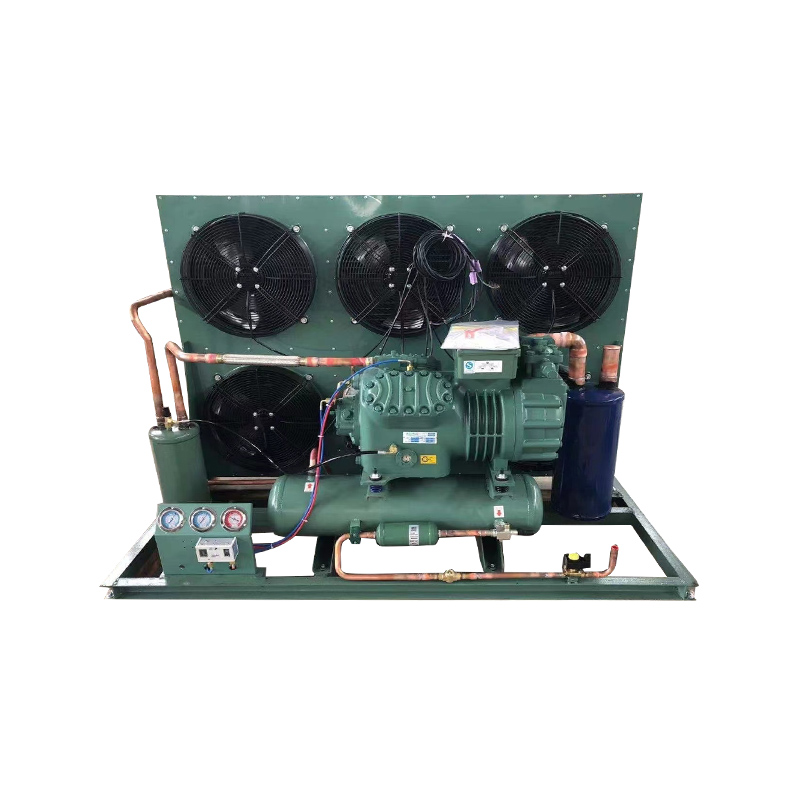
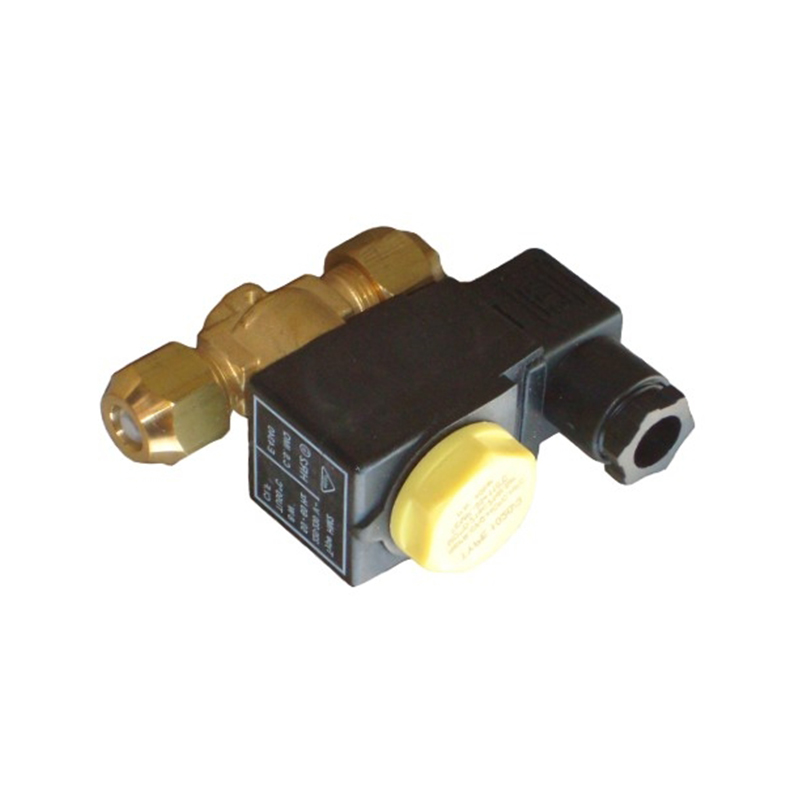
Many buyers assume that if a valve, sight glass, or filter drier physically threads onto the pipe, it is compatible. In practice, a refrigeration circuit is a closed pressure system, so a part that fits mechanically but is rated for the wrong refrigerant or the wrong pressure can still cause a leak, a burst seal, or an inefficient cold room within weeks. For example, a solenoid valve built for R22 systems is rated for a lower working pressure than one built for R410A, even though the port sizes can look identical on a shelf. Matching by number, not by appearance, is the safer habit.
The Four Data Points to Check First
Before ordering any accessory for a compressor, condenser, evaporator, or air cooler, pull these four values from the existing equipment nameplate or the original manufacturer datasheet.
R22, R404A, R507, R134a, R290, or R410A. An expansion valve or solenoid valve sized for one refrigerant can throttle incorrectly or degrade seals with another.
Most condensing unit accessories are rated between 28 and 45 bar. A pressure controller set outside this range will trip too early or too late, stressing the compressor.
Common ODF copper connections run 1/4 inch, 3/8 inch, 1/2 inch, and 5/8 inch. A mismatch here usually shows up immediately during brazing, but a slightly loose fit can hide a slow leak.
Oil separators and filter driers are rated by cooling capacity in kW or HP, while solenoid coils are rated by voltage, commonly 220V or 380V. Undersized parts restrict flow; oversized ones waste cost without adding benefit.
Compatibility Checklist by Component Type
The table below lists what typically needs to be verified for the most commonly replaced refrigeration accessories, based on standard specifications used across condensing unit and cold room installations.
Step by Step: Confirming a Match Before You Order
Follow this sequence when sourcing a replacement or upgrade part for a condensing unit, water chiller, or cold room installation.
- Read the existing nameplate. Record the refrigerant, voltage, tonnage or HP, and model number printed on the compressor or condenser housing.
- Compare against the new part datasheet. Line up refrigerant type, pressure range, and connection size against what you recorded.
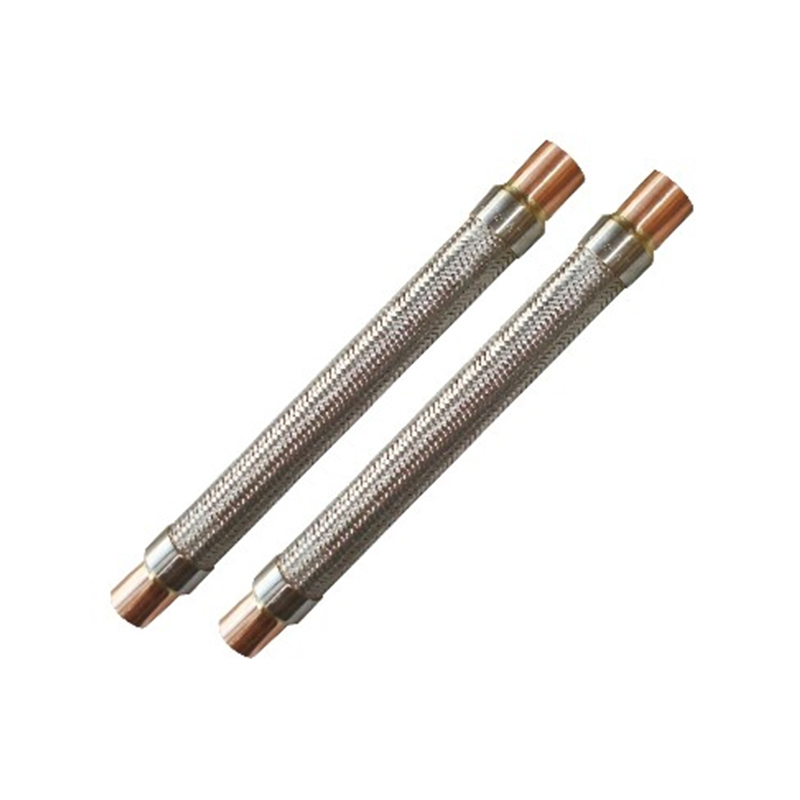
- Check physical clearance. Some replacement accessories, such as vibration absorbers, need extra straight pipe length before and after installation.
- Confirm with the supplier directly. A reliable Chinese manufacturer HVAC supplier will cross-check specifications against your existing system before shipping, which avoids costly return shipping on heavy components.
- Pressure test after installation. Even a correctly matched part should be leak tested before the system is fully charged and sealed.
Refrigeration Accessories Product Range
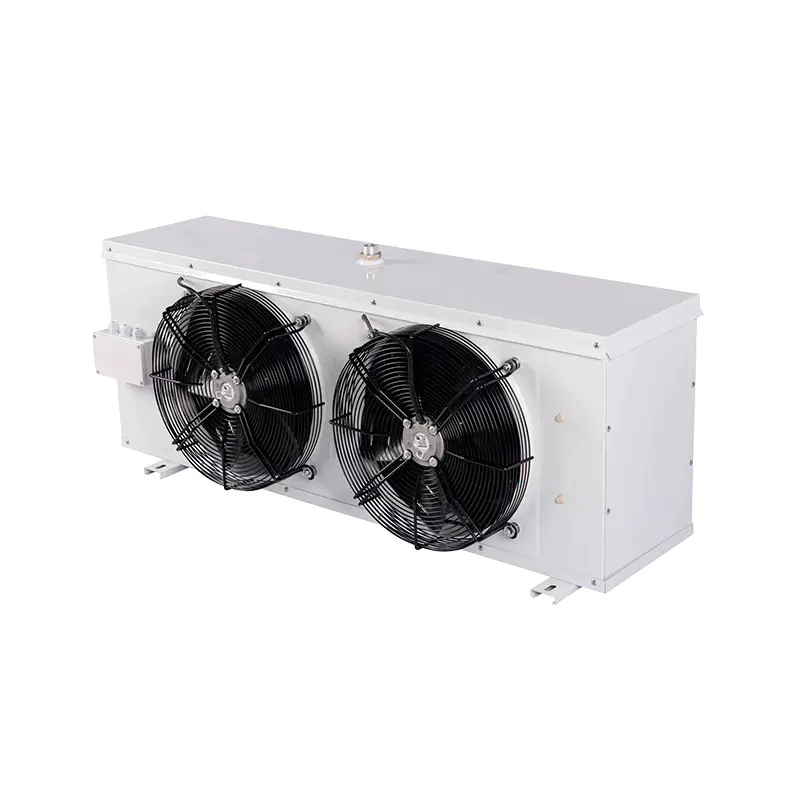
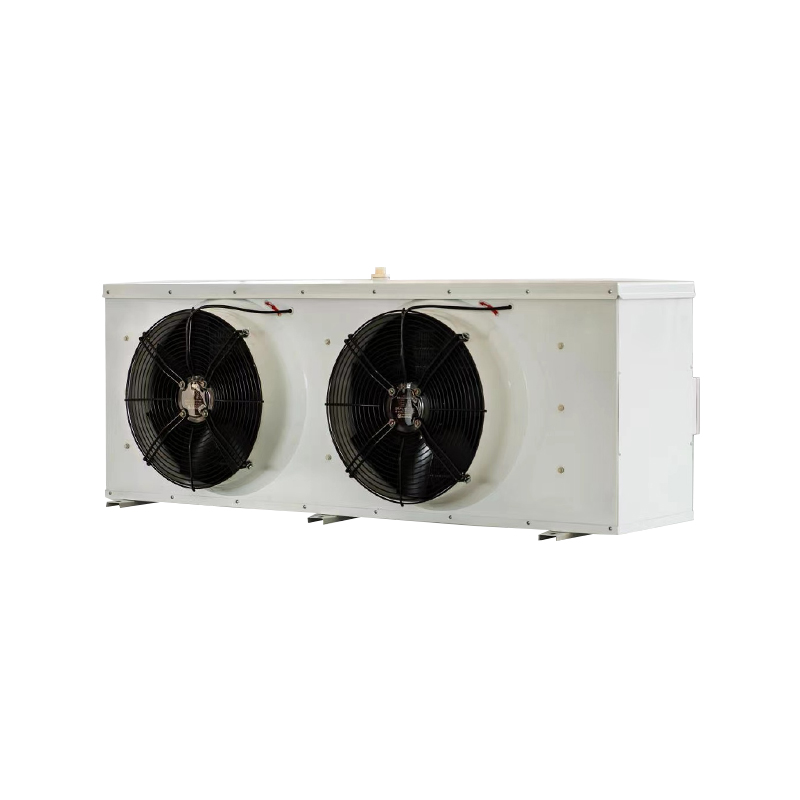
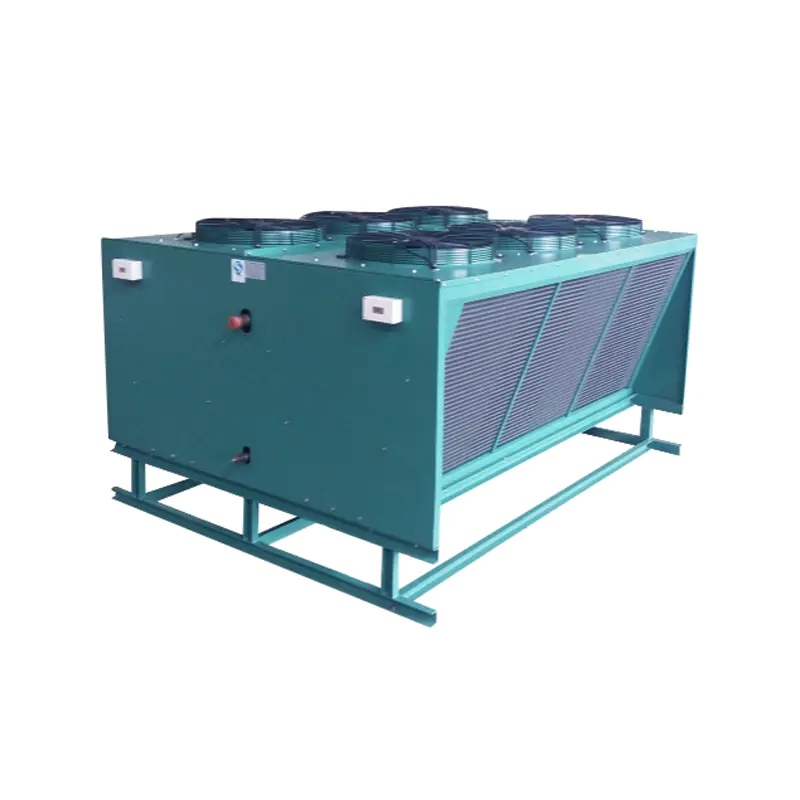
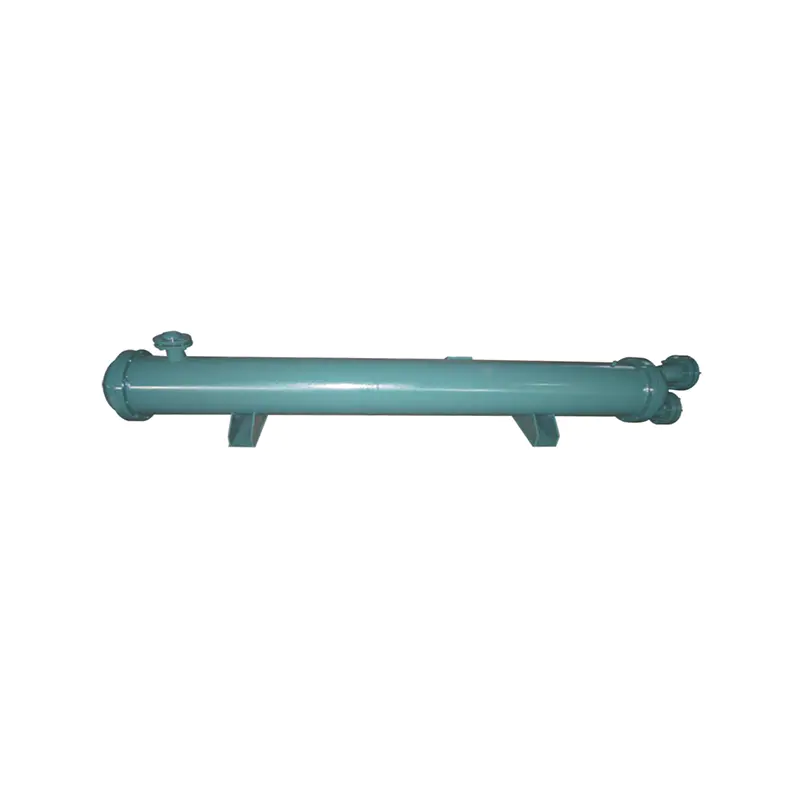
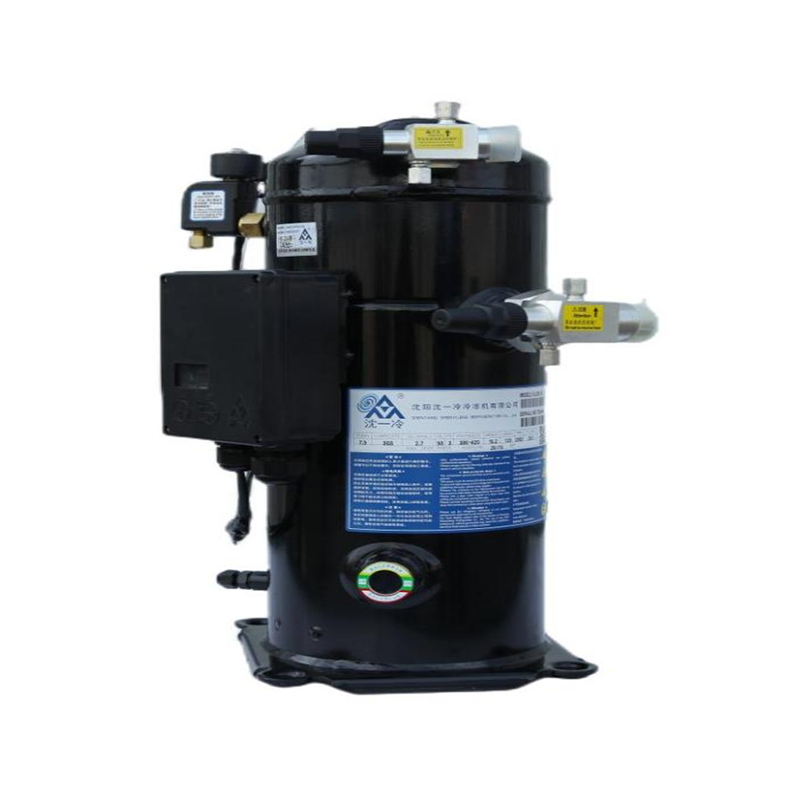
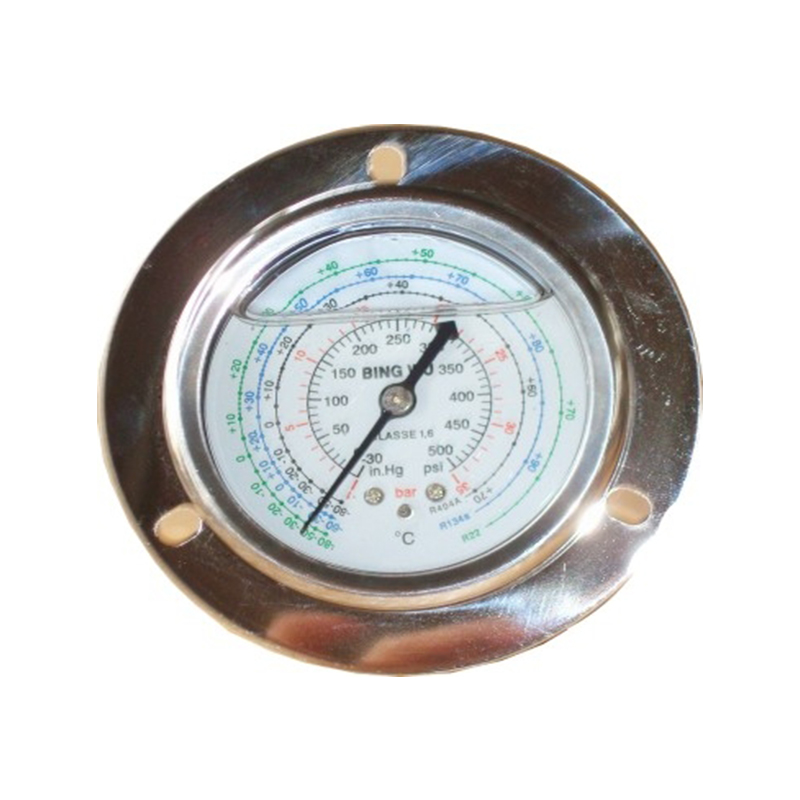
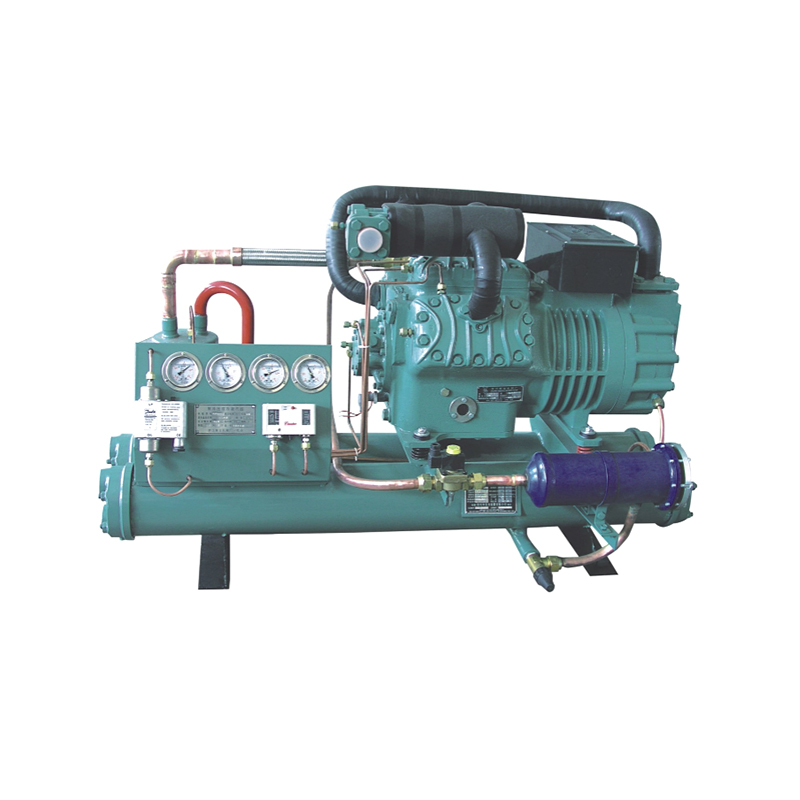
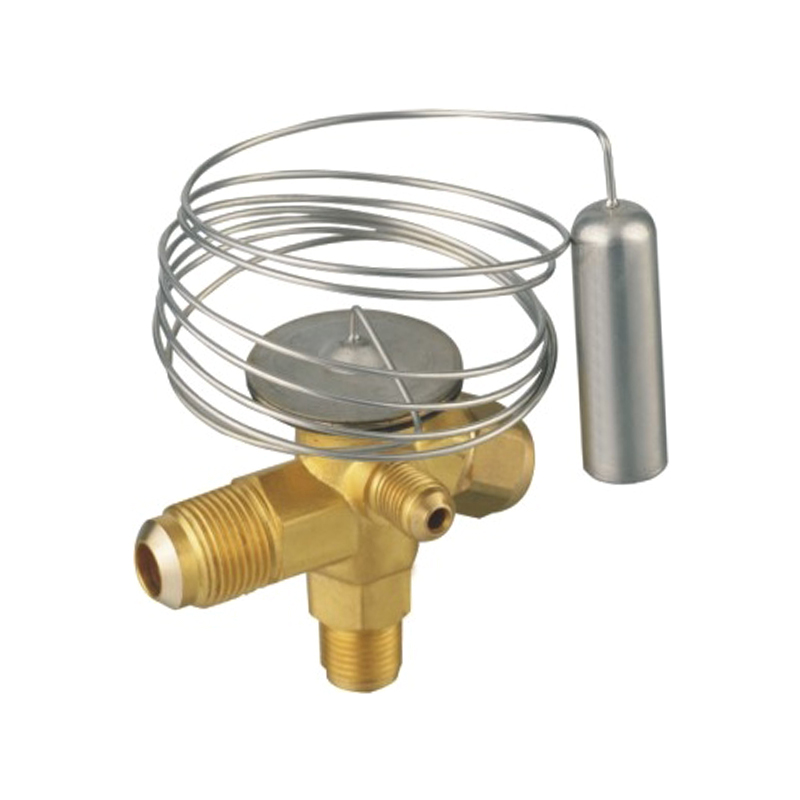
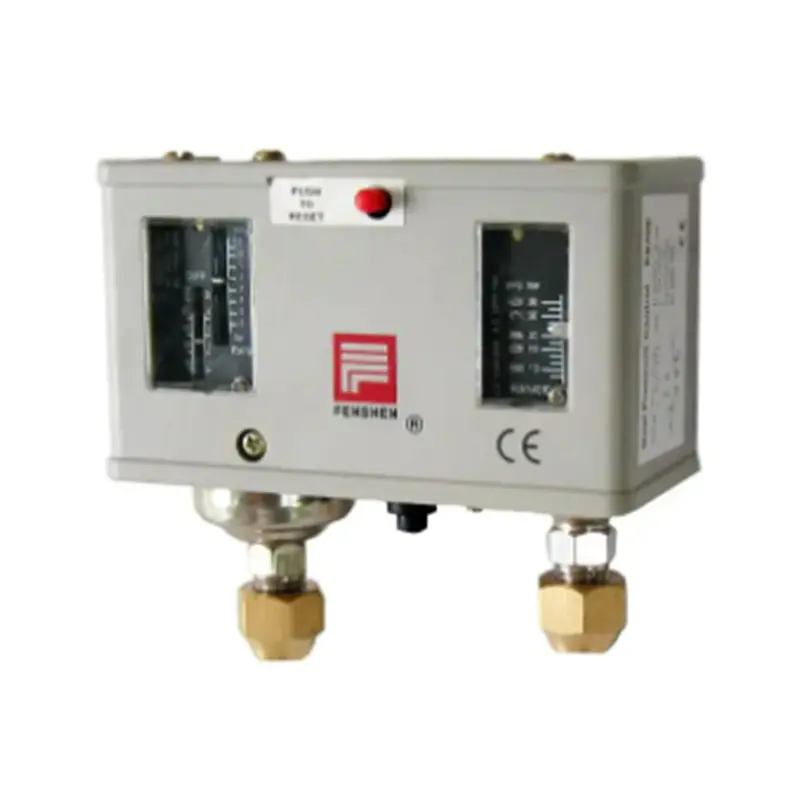
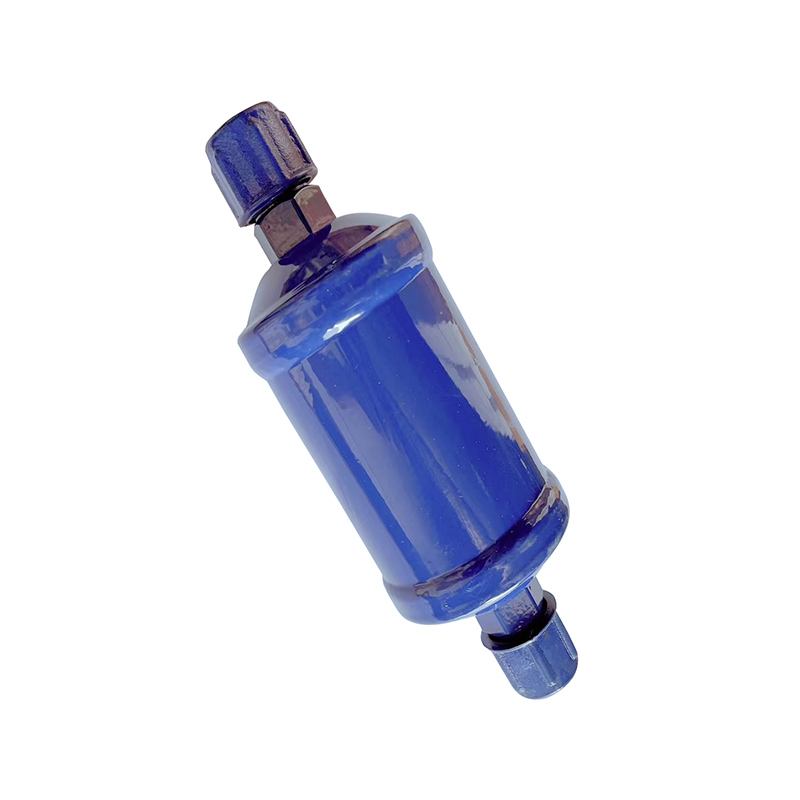
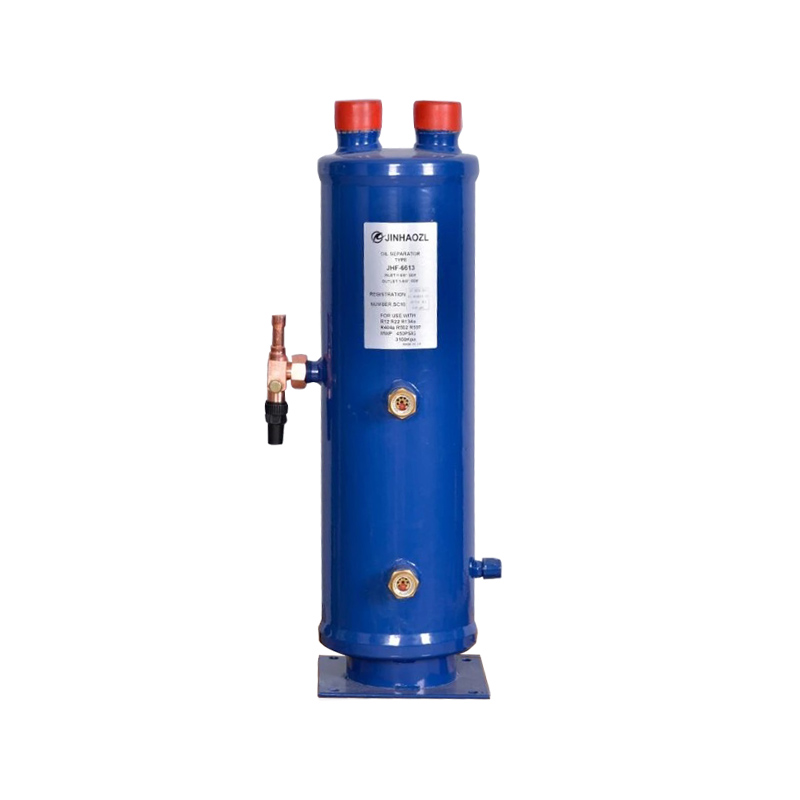
Below is a set of commonly requested refrigeration accessories used across condensing units, air coolers, and cold room refrigeration storage projects. Each part is manufactured to standard pressure and connection specifications so it can be matched against your existing system data.
Common Mistakes That Cause Compatibility Failures
Most compatibility problems reported in the field trace back to a small number of avoidable habits.
- Ordering a compressor by horsepower alone without checking the refrigerant it was designed for.
- Reusing an old filter drier on a new condensing unit instead of matching it to the updated tonnage.
- Assuming a 220V solenoid coil will work on a 380V control circuit without a transformer.
- Skipping the pressure controller cut in and cut out range when the cold room setpoint changes.
- Buying a sight glass or oil gauge based on thread size only, ignoring the maximum pressure rating stamped on the body.
Working With Your Supplier to Verify Fit
When sourcing from a Chinese manufacturer HVAC supplier, the fastest way to confirm compatibility is to send a clear photo of the existing nameplate along with the model number of your condensing unit, compressor, evaporator, or air cooler. A supplier experienced in refrigeration accessories can then match the refrigerant type, pressure class, and connection size against their catalog before production or shipment, which removes most of the guesswork from cross-border ordering. This step matters even more for larger components like condensers and water chillers, where an incorrect part is expensive to ship back.
Summary Table: What to Send Your Supplier
Compatibility comes down to matching data, not matching appearance. Once refrigerant type, pressure range, connection size, and capacity all line up, a refrigeration accessory will integrate into your condensing unit, cold room, or water chiller without added risk to the compressor or the system seal.