 English
 русский
 Tiếng Việt
Content
- 1 The Five Building Blocks of a Refrigeration Storage System
- 2 Sizing the Condensing Unit to Room Volume and Heat Load
- 3 Scroll, Piston or Screw Compressor: Matching Type to Capacity
- 4 DL, DD and DJ Air Cooler Evaporators: Matching Storage Temperature
- 5 Explore Brozer's Refrigeration Equipment Range
- 6 Air-Cooled, Water-Cooled or Evaporative Condenser
- 7 Refrigeration Accessories That Prevent System Failure
- 8 Why Buyers Source From a Chinese Manufacturer HVAC and Refrigeration Storage Factory
- 9 A Practical Sourcing Checklist Before You Place an Order
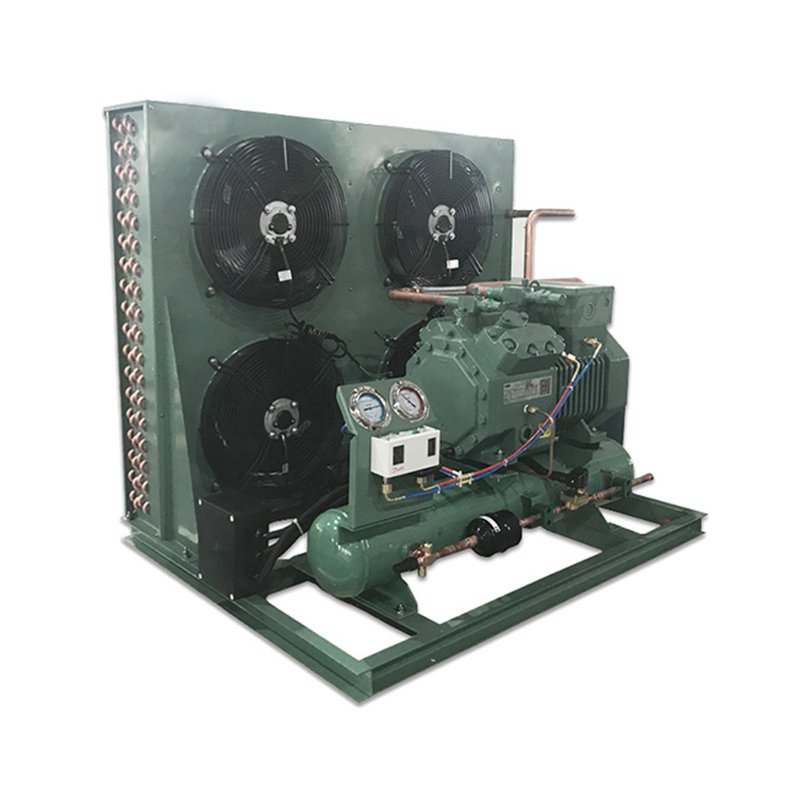
A working cold room, water chiller or refrigeration storage system is never built from a single part. It is a matched set: a condensing unit sized to the room's heat load, a compressor (scroll, piston or screw) chosen for that capacity and duty cycle, an evaporator, also called an air cooler, matched to the target storage temperature, a condenser suited to the local water supply and climate, and a set of refrigeration accessories that protect the whole loop. Skip the matching step and even premium components will underperform. The sizing logic below is the same one a Chinese manufacturer HVAC engineering team uses when quoting a cold room or water chiller project, based on three inputs: room volume, storage temperature, and total heat load.
The Five Building Blocks of a Refrigeration Storage System
Before sizing anything, it helps to see how each component fits into the loop and where its typical operating range sits.
| Component | Main Function | Typical Range |
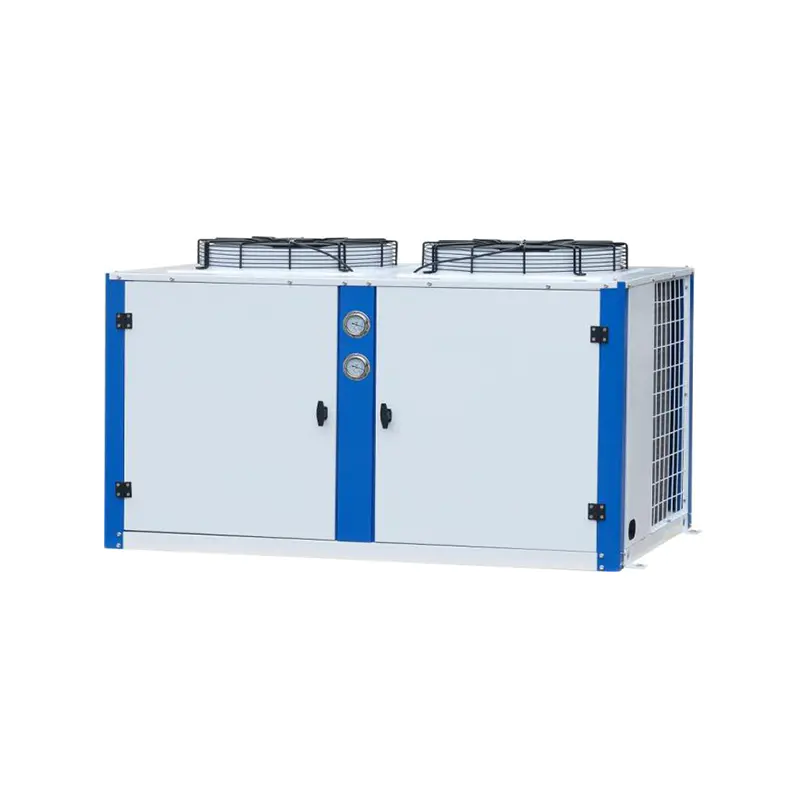
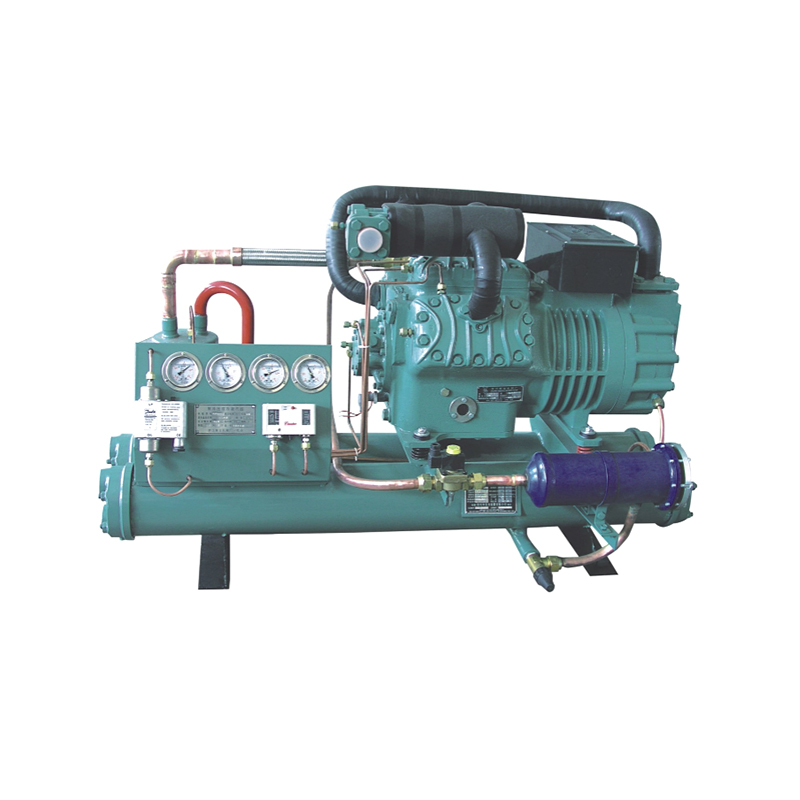
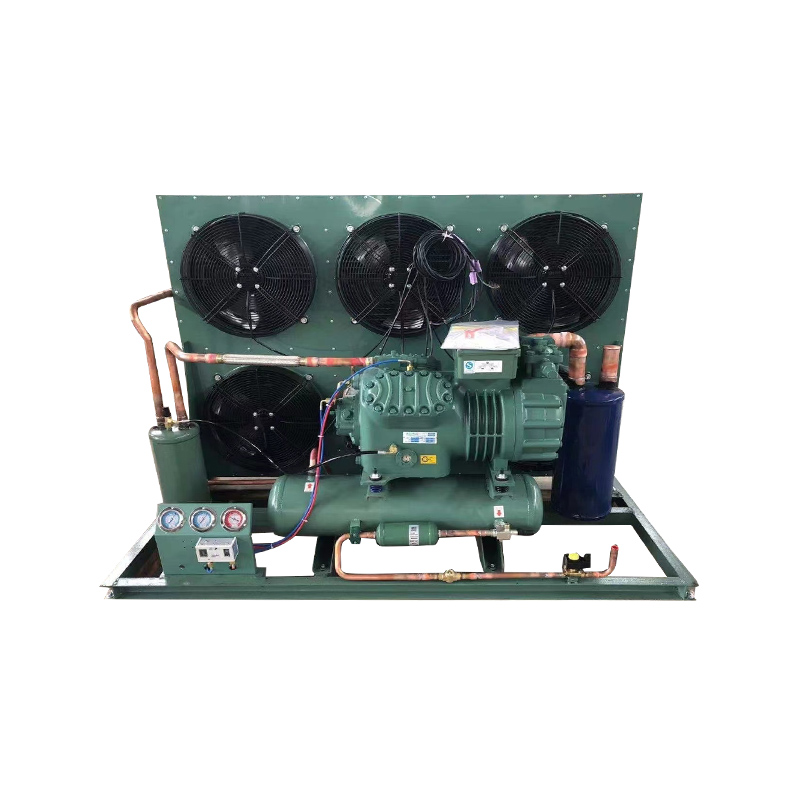
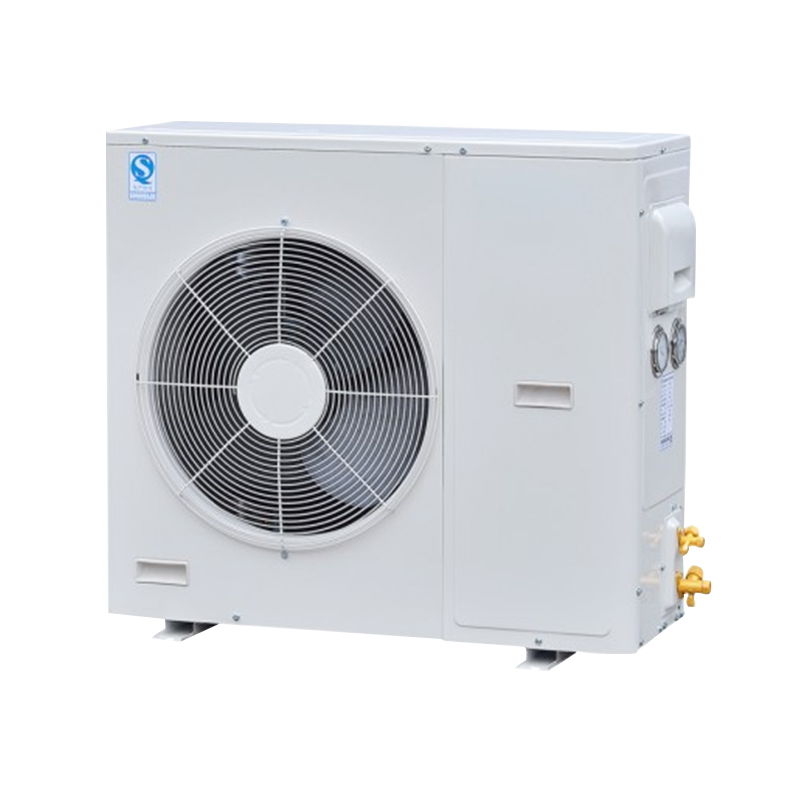
| Condensing Unit | Packages the compressor, condenser and expansion device to drive the whole cooling cycle | 1 kW to 1500 kW |
| Compressor | Compresses low-pressure refrigerant gas into high-pressure, high-temperature gas | Scroll, piston, screw |
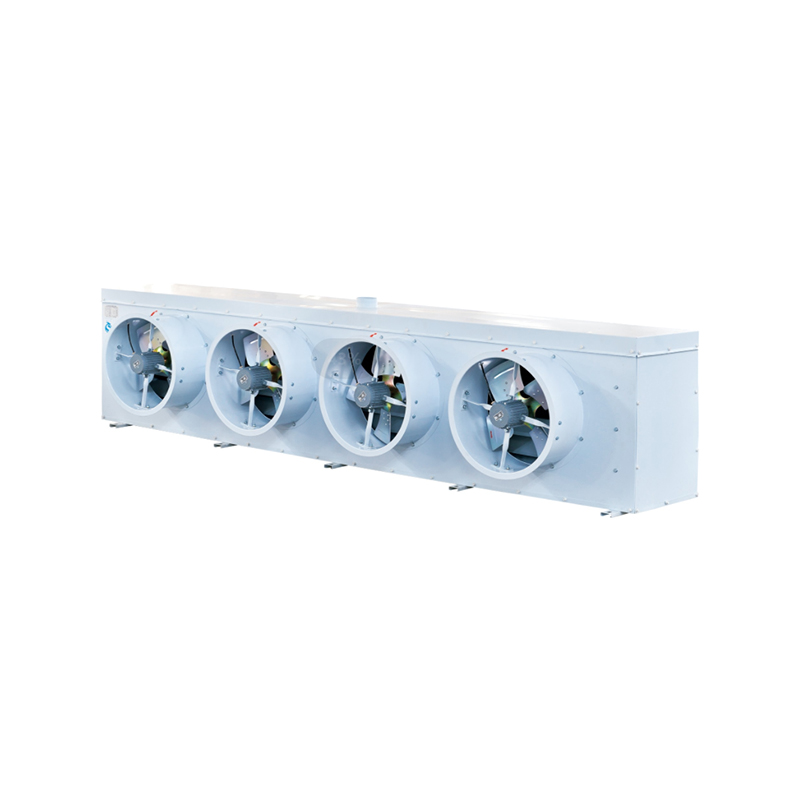
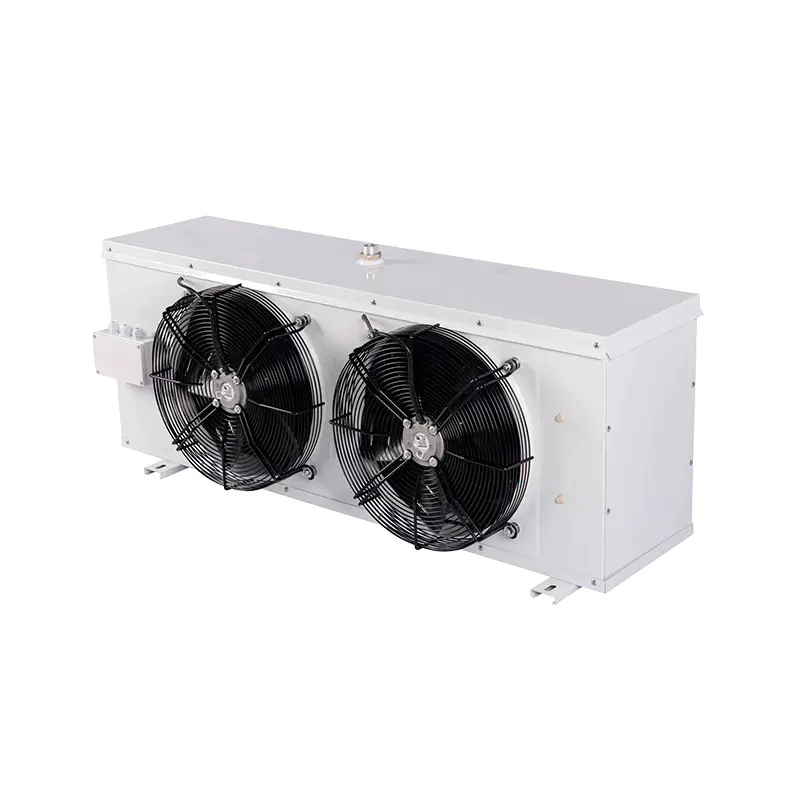
| Evaporator / Air Cooler | Absorbs heat from the cold room air, lowering room temperature | DL, DD, DJ series |
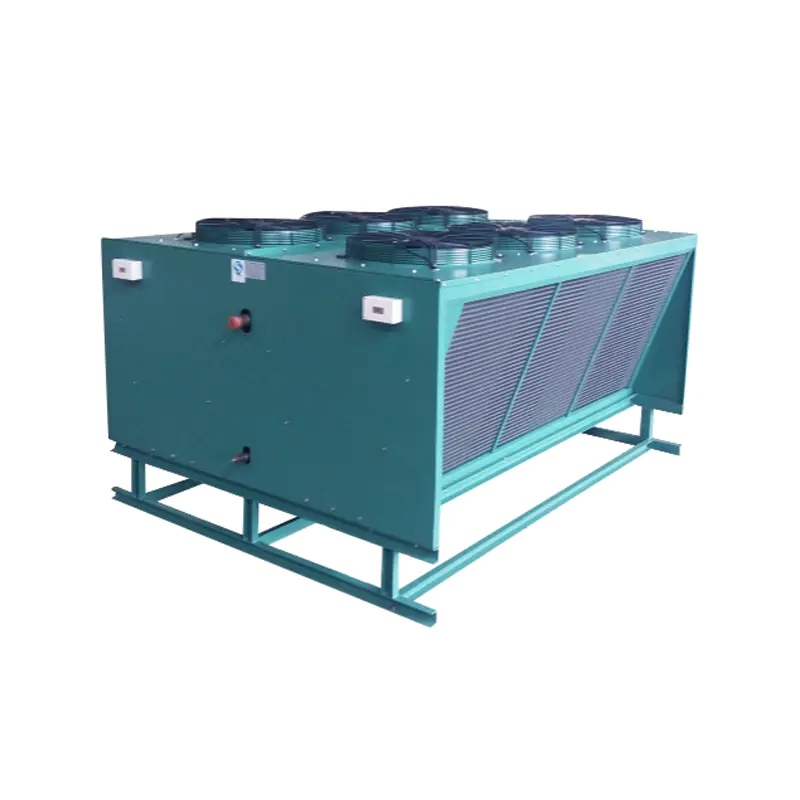
| Condenser | Rejects the absorbed heat to outside air or water | Air-cooled, water-cooled, evaporative |
| Refrigeration Accessories | Expansion valve, solenoid valve, filter drier, oil separator and controls that regulate and protect the loop | System-wide, low cost, high failure impact |
Sizing the Condensing Unit to Room Volume and Heat Load
The right condensing unit capacity depends on three variables working together: room volume in cubic meters, target storage temperature, and the heat load contributed by insulation, product loading and door traffic. The chart below shows typical planning figures for a chilled room held between 0 degrees C and 5 degrees C, before any adjustment for climate or door frequency.
Freezer rooms held below minus 18 degrees C typically need roughly 1.6 to 2 times this capacity for the same volume, since the temperature gap to ambient is larger and defrost cycles add extra load. These figures are planning references only; a full heat load calculation should account for insulation panel thickness, door opening frequency and local climate before a condensing unit is finalized.
Scroll, Piston or Screw Compressor: Matching Type to Capacity
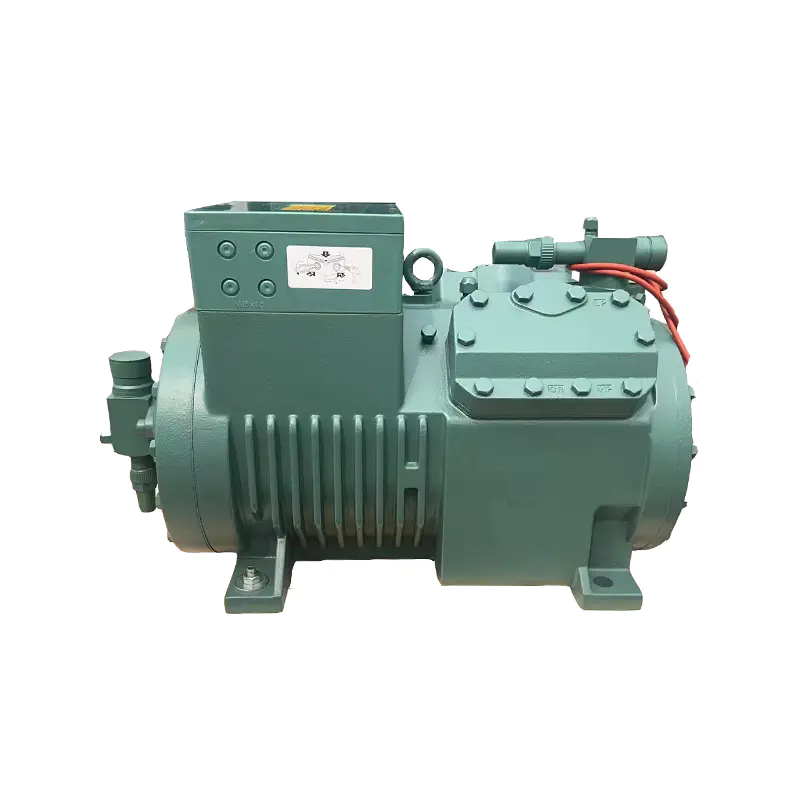
The compressor is the single most expensive moving part in the system, so matching type to duty avoids both under-sizing and wasted capital.
Roughly 3 to 50 kW
Fewer moving parts, quieter running and simpler maintenance. A common choice for small and mid-size cold rooms and retail display cabinets.
Roughly 3 to 150 kW
A robust, widely serviced design with parts available almost everywhere. Well suited to demanding duty cycles and frequent starts.
Roughly 30 to 1500 kW
Twin-screw designs reach efficiency ratios of 4.5 to 6.0 in water chiller configurations, making them the standard for large industrial refrigeration storage.
Typical Efficiency Ratio (COP) by Compressor Type
DL, DD and DJ Air Cooler Evaporators: Matching Storage Temperature
Inside the cold room, the evaporator, commonly called an air cooler, is what actually pulls heat out of the stored product. Choosing the wrong series for the temperature band is one of the most frequent sourcing mistakes.
DL Series, around 0 degrees C
Built for fresh-keeping warehouses storing fruit, vegetables and other chilled goods that must not freeze.
DD Series, around minus 18 degrees C
The standard choice for general cold storage of frozen meat, seafood and packaged frozen food.
DJ Series, below minus 25 degrees C
Designed for quick-freezing rooms where product needs to pass through the temperature danger zone fast to preserve texture and quality.
Explore Brozer's Refrigeration Equipment Range
From condensing units to refrigeration accessories, our factory-direct product lines are engineered to work together as one integrated cold room and water chiller system.
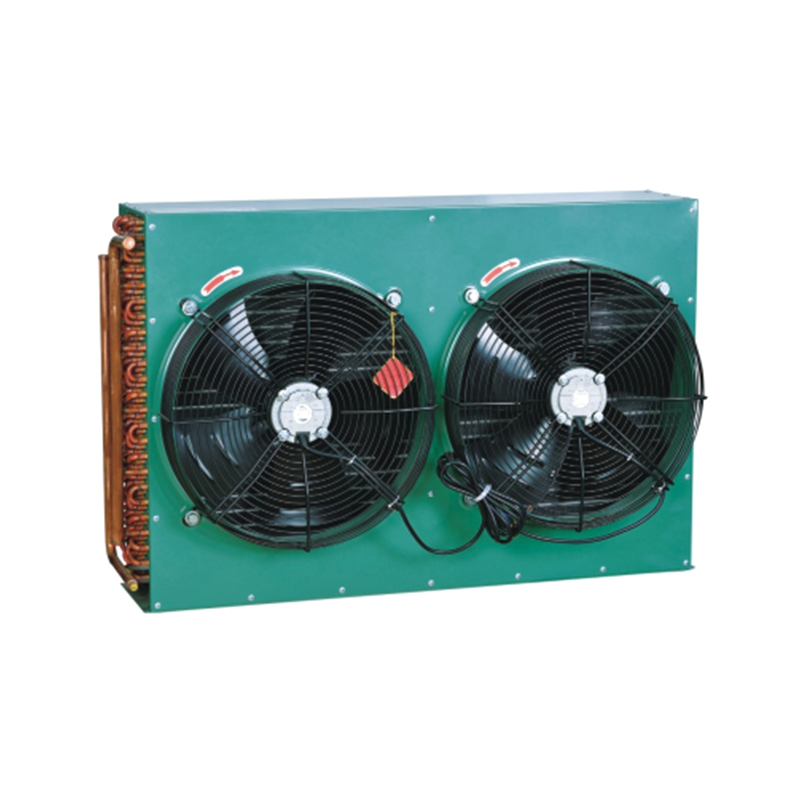
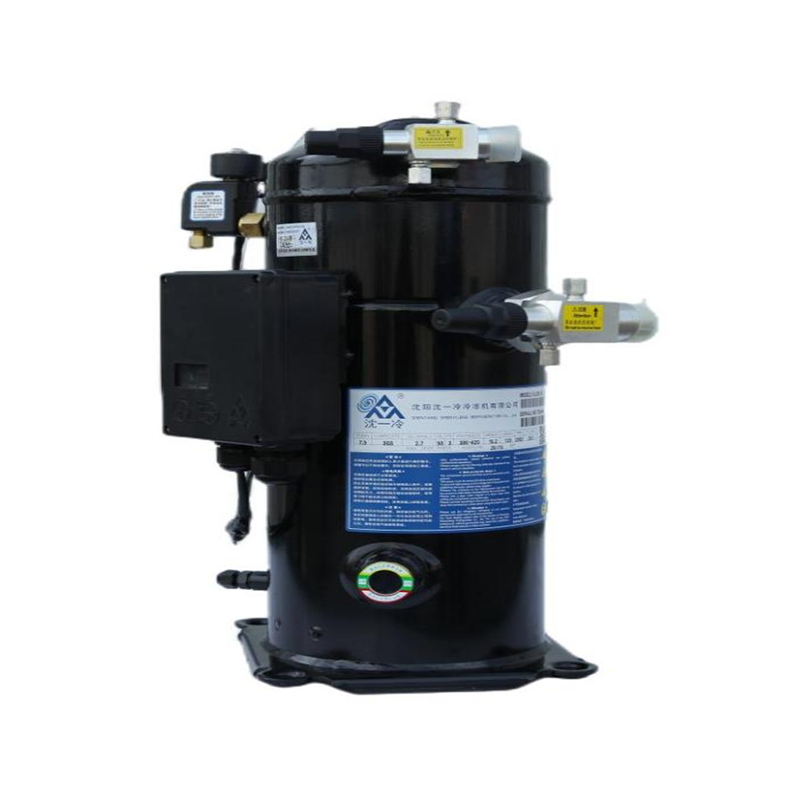
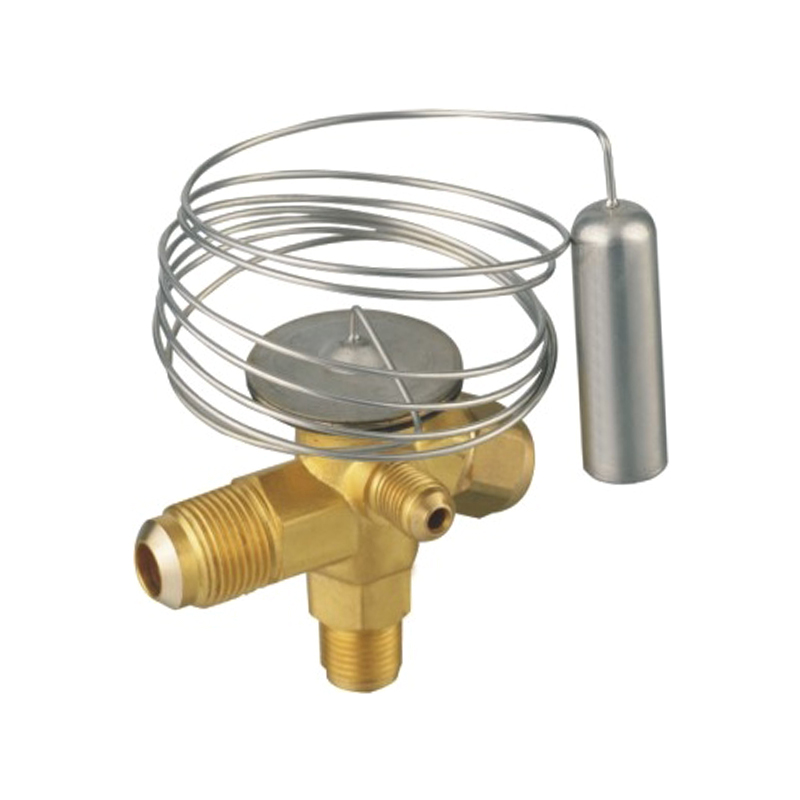
Air-Cooled, Water-Cooled or Evaporative Condenser
The condenser choice depends mainly on available water supply, ambient climate and system size.
Air-Cooled
No water source or cooling tower needed. The simplest install for cold rooms under roughly 500 cubic meters, though performance drops in high ambient temperatures.
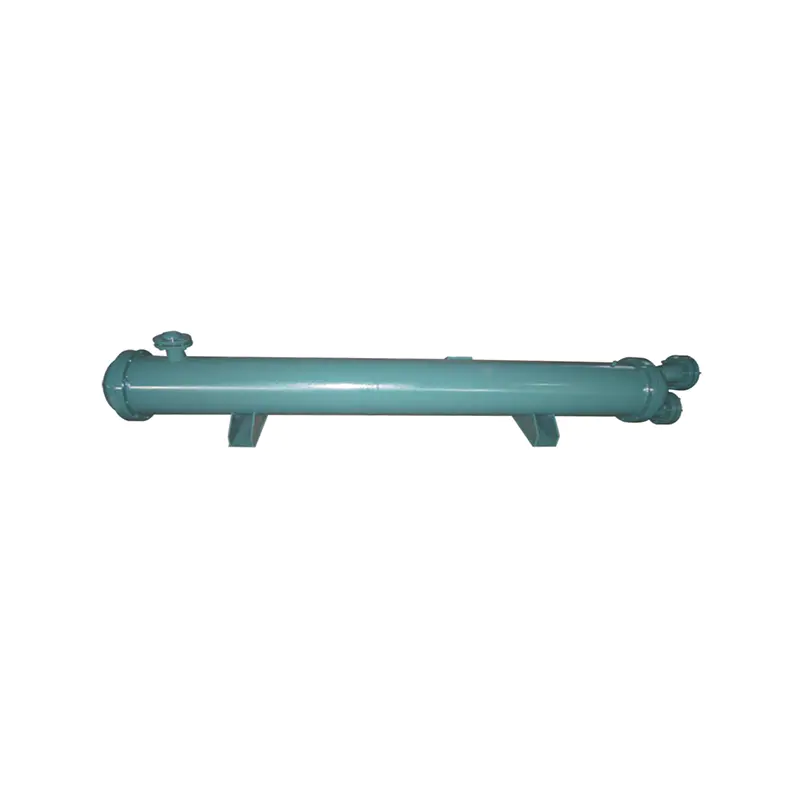
Water-Cooled Shell and Tube
Heat transfer coefficients from 800 to 3000 W per square meter per Kelvin, far above air-cooled designs. The standard for large commercial chillers and industrial refrigeration storage, but requires a cooling tower and water treatment.
Evaporative
Combines air and a water spray to cut condensing temperature by 10 to 15 degrees C compared with a dry air-cooled unit, lowering compressor power draw by 15 to 25 percent in food processing and supermarket systems.
Refrigeration Accessories That Prevent System Failure
Refrigeration accessories are inexpensive individually, but a mismatched or low-quality part is one of the most common causes of an unplanned compressor replacement.
Meters refrigerant into the evaporator and maintains correct superheat.
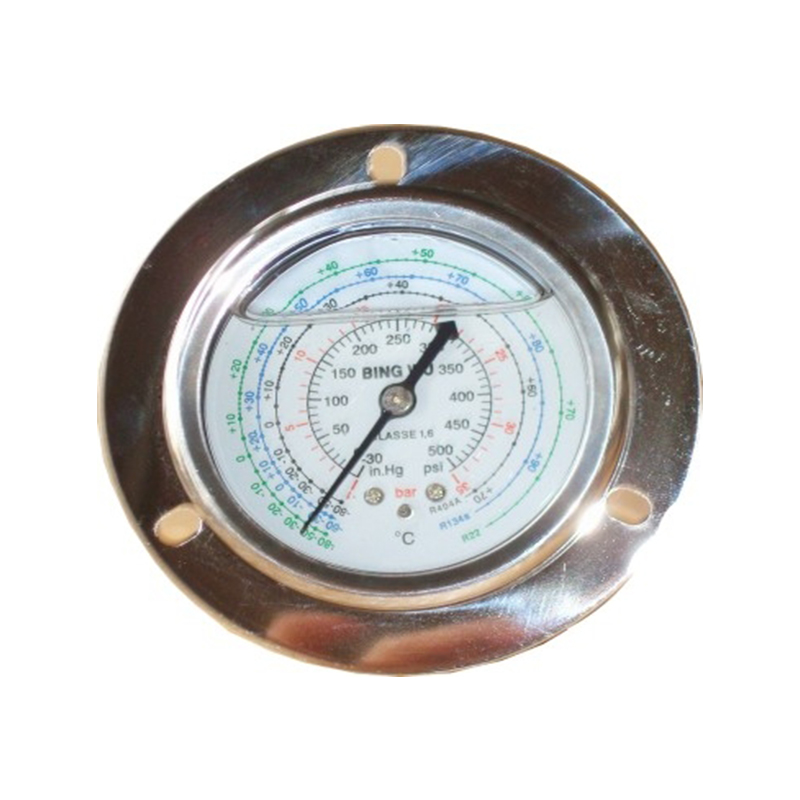
Shuts the system down before abnormal high or low pressure damages the compressor.
Electrically shuts off the refrigerant line for defrost and pump-down cycles.
Gives a visual check of refrigerant charge level and moisture content.
Isolates compressor vibration from the connected piping and structure.
Returns lubricant to the compressor, extending compressor service life.
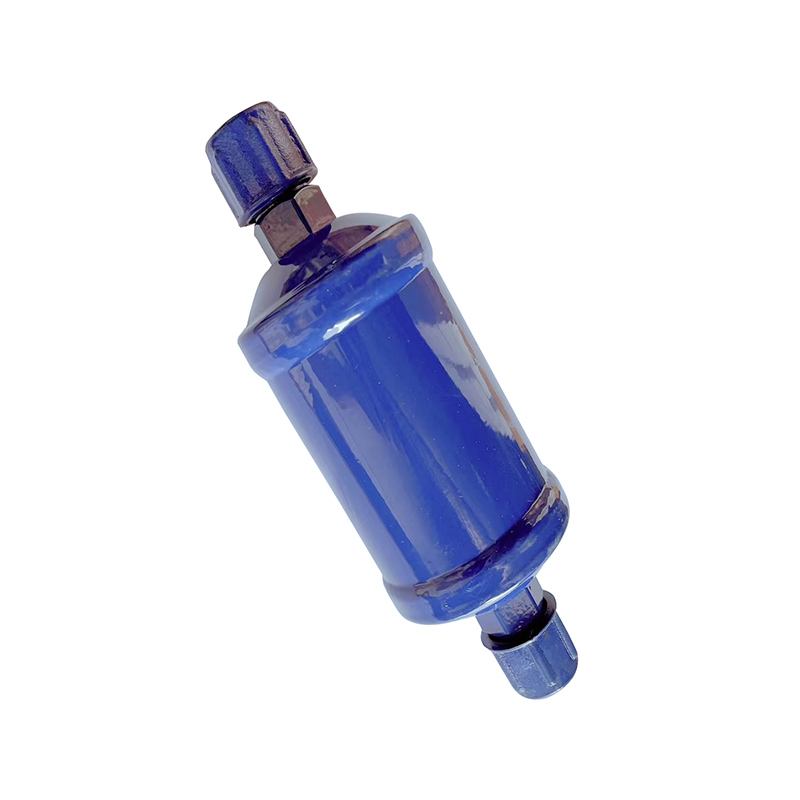
Removes moisture and particulates that would otherwise damage the expansion valve.
Monitors oil level in the compressor crankcase during operation.
Why Buyers Source From a Chinese Manufacturer HVAC and Refrigeration Storage Factory
Based in Shengzhou, Zhejiang, Brozer designs and factory-tests condensing units, compressors, evaporators, condensers and refrigeration accessories as one product family rather than separate purchases.
Cost Mix
- Compressor, 35 percent
- Condenser, 20 percent
- Evaporator, 20 percent
- Accessories, 15 percent
- Controls and wiring, 10 percent
A Practical Sourcing Checklist Before You Place an Order
- Confirm room volume, target temperature and daily heat load before requesting a quotation.
- Match the compressor type, scroll, piston or screw, to the required capacity range and duty cycle.
- Select the evaporator series, DL, DD or DJ, that matches the storage temperature band.
- Choose the condenser cooling method based on available water supply and local climate.
- Verify that refrigeration accessories are correctly matched, not substituted with generic parts.
- Ask for factory test reports, certification documents and OEM/ODM sample lead time.
- Confirm after-sales spare parts availability for compressors and controls in your region.