 English
 русский
 Tiếng Việt
Content
- 1 Why Fouling Directly Reduces Heat Exchange Capacity
- 2 How Scale and Biological Fouling Form on Evaporator Surfaces
- 3 The Measurable Cost of Fouling on Energy Consumption
- 4 How Fouling Spreads Damage Through the Whole Refrigeration System
- 5 Core Refrigeration Components for Fouling-Resistant Cooling
- 6 Signs That an Evaporator Coil Needs Cleaning
- 7 Practical Steps to Prevent and Manage Fouling
- 8 Choosing a Manufacturer That Designs for Long-Term Cleanliness
Evaporator fouling lowers industrial cooling efficiency by directly blocking heat transfer between the refrigerant and the air or product being cooled. A fouled evaporator coil can reduce heat exchange capacity by 15 percent to 40 percent depending on the thickness and type of deposit, forcing the compressor to run longer, consume more electricity, and still fail to reach the target temperature. The result is higher energy bills, slower pull-down times, and accelerated wear across the entire refrigeration system.
Why Fouling Directly Reduces Heat Exchange Capacity
An evaporator works by allowing refrigerant inside the coil to absorb heat from the surrounding air or process fluid. This exchange depends on a clean metal surface with minimal resistance to heat flow. Once a layer of scale, dust, biological film, or mineral deposit forms on the coil or wet curtain, it acts as an insulating barrier. Even a thin 0.5 millimeter layer of mineral scale can cut heat transfer efficiency by roughly 10 percent, while thicker deposits above 2 millimeters can push losses past 30 percent. Because the evaporator is the point where useful cooling actually happens, any efficiency lost here cannot be recovered later in the system, regardless of how well the condenser, compressor, or condensing unit performs.
How Scale and Biological Fouling Form on Evaporator Surfaces
Two distinct mechanisms typically cause fouling in industrial cooling systems. Mineral scaling occurs when dissolved calcium, magnesium, or silica in water-based systems precipitate out under temperature change and bond to the coil surface, similar to limescale in a kettle. Biological fouling, more common in air coolers and open evaporators, involves dust, organic particulates, and microbial growth accumulating on wet curtains or fins, especially in humid environments such as cold storage rooms for produce. Both processes are gradual but compounding, meaning a small amount of buildup left untreated accelerates further deposit formation because the rougher surface traps more particles and slows water drainage.
The Measurable Cost of Fouling on Energy Consumption
Reduced heat transfer forces the compressor to work harder and longer to reach the same setpoint, which directly increases electricity consumption. Industry monitoring data on commercial refrigeration systems consistently shows a clear relationship between fouling severity and energy penalty.
| Fouling Severity | Coil Deposit Thickness | Typical Energy Penalty | Compressor Run-Time Increase |
|---|---|---|---|
| Light | Under 0.5 mm | 5 percent to 10 percent | 10 percent to 15 percent |
| Moderate | 0.5 mm to 1.5 mm | 10 percent to 20 percent | 20 percent to 30 percent |
| Severe | Over 2 mm | 25 percent to 40 percent | 35 percent to 50 percent |
Beyond electricity costs, an undersized effective evaporator surface also extends pull-down time, meaning a cold room or water chiller takes longer to reach its target temperature after a door opening or product load, which is particularly costly for facilities running quick-freezing or constant-temperature workshops.
How Fouling Spreads Damage Through the Whole Refrigeration System
Evaporator fouling rarely stays isolated. When the evaporator absorbs less heat, the suction pressure and superheat readings shift, which can cause the compressor to operate outside its designed envelope. Over time this raises discharge temperatures, increases mechanical stress on compressor valves and bearings, and shortens service life. The condenser side is also affected indirectly, since a system compensating for evaporator inefficiency often runs at higher head pressures, reducing the working life of refrigeration accessories such as expansion valves, sight glasses, and filter driers. In refrigeration storage facilities holding temperature-sensitive goods, this chain reaction can ultimately threaten product quality if temperature stability cannot be maintained.
Core Refrigeration Components for Fouling-Resistant Cooling
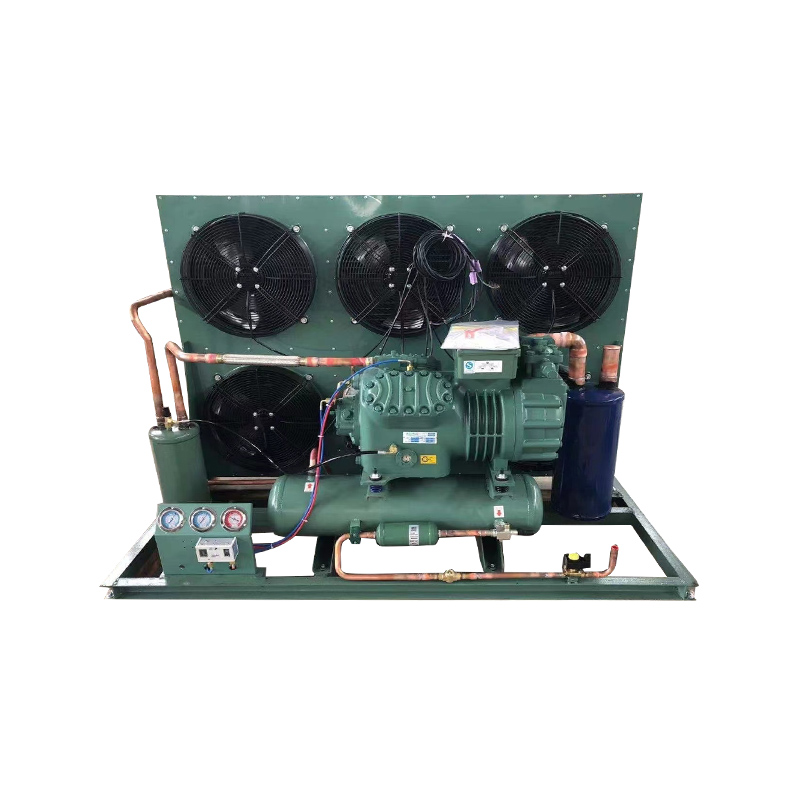
Selecting evaporators and condensers engineered for easier cleaning and even airflow distribution helps slow fouling buildup from the start. Below are representative units commonly paired in cold room and refrigeration storage projects.
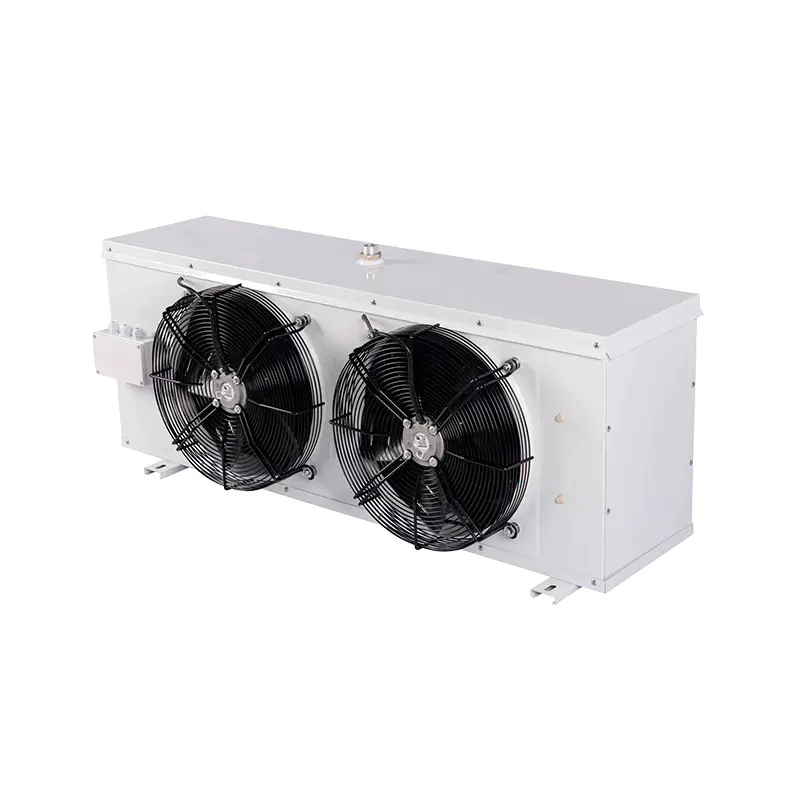
DJ Type Low-Temperature Evaporator
Evaporator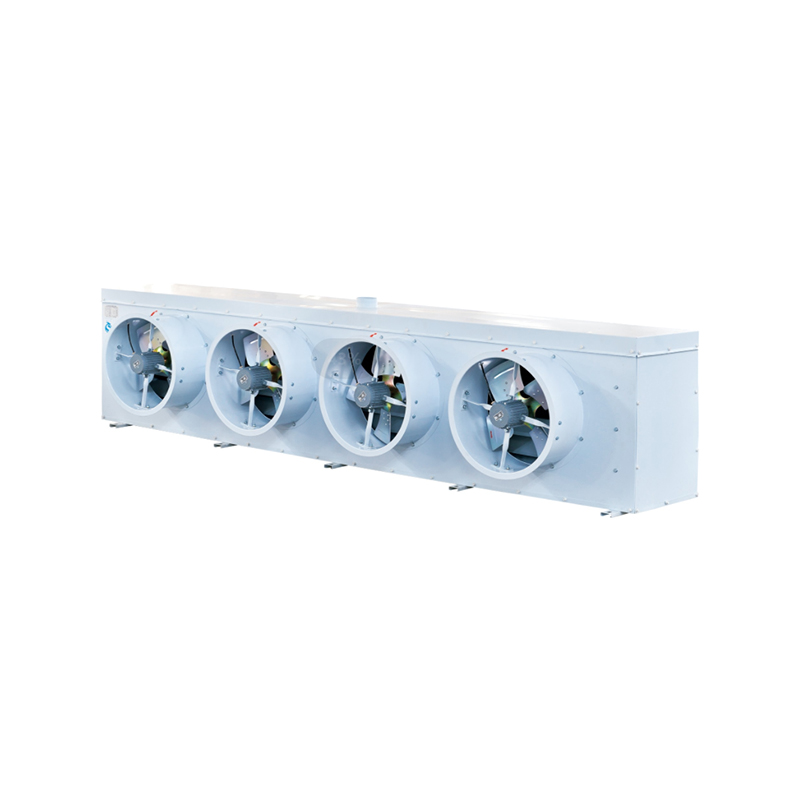
DD Type Medium-Temperature Evaporator
Evaporator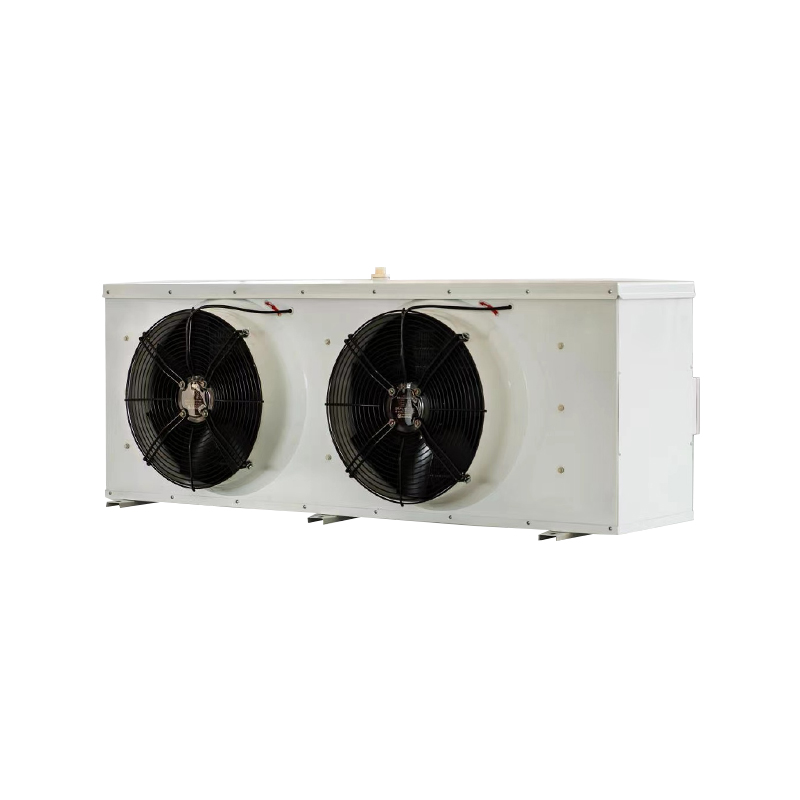
DL Type High-Temperature Evaporator
Evaporator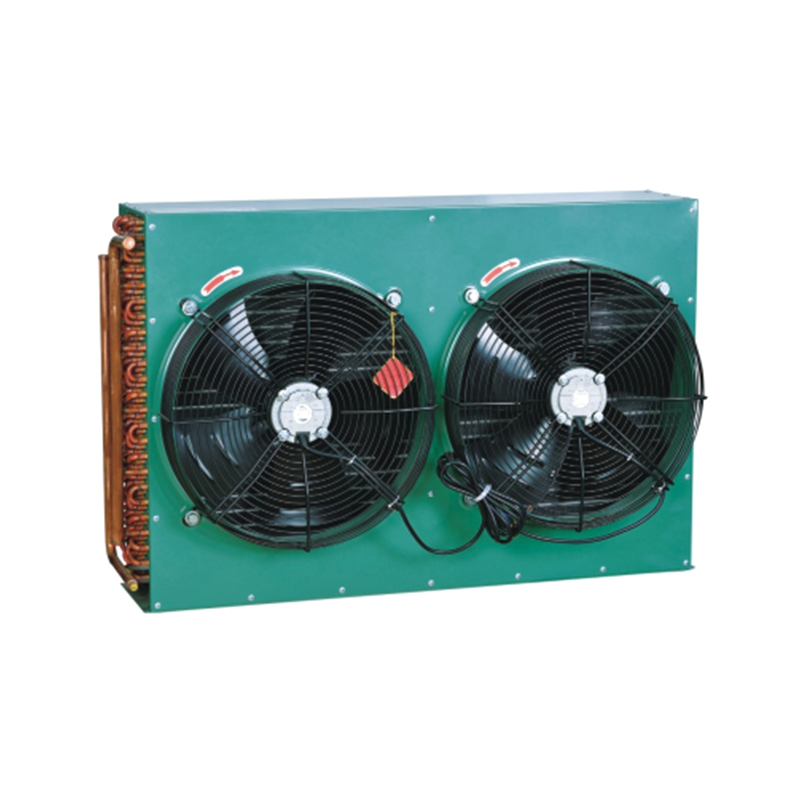
H Type Air Cooled Condenser
Condenser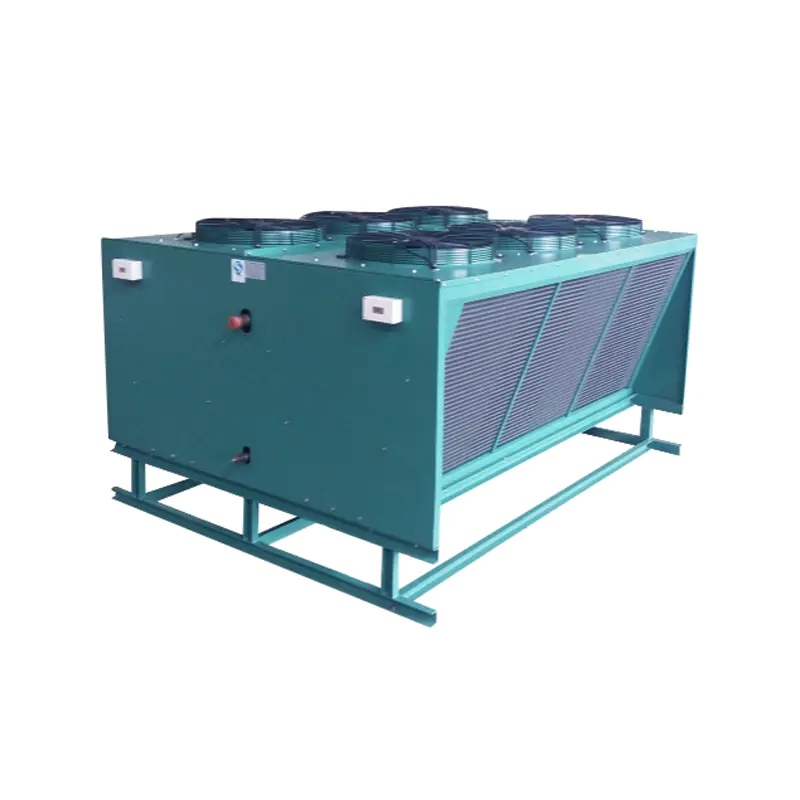
V Type Air Cooled Condenser
CondenserSigns That an Evaporator Coil Needs Cleaning
Operators can usually detect fouling before it causes major losses if they watch for the following warning signs in a cold room, water chiller, or constant-temperature workshop.
- Suction pressure trending lower than the normal baseline over several weeks
- Longer compressor run-time to maintain the same room or product temperature
- Uneven frost or ice formation across the coil surface
- Visible dust, grease film, or mineral crust on the wet curtain or fins
- A noticeable rise in the air cooler outlet temperature compared to historical records
Practical Steps to Prevent and Manage Fouling
Preventing fouling is significantly cheaper than recovering lost efficiency after the fact. A combination of water treatment, mechanical design, and scheduled maintenance produces the most reliable results.
Water and Air Quality Control
In systems using water-flush or wet-curtain evaporators, softening or filtering the water supply reduces mineral precipitation. In dusty industrial environments, upgrading intake air filtration reduces particulate loading on the coil before it ever reaches the heat exchange surface.
Surface Design and Material Selection
Coils with wider fin spacing and smoother surface coatings resist particle adhesion better than tightly packed fin arrays. Stainless steel components and anti-scaling coatings are particularly effective in applications handling brines or organic process fluids, since they resist both corrosion and deposit adhesion.
Scheduled Cleaning and Inspection
A routine inspection interval of every one to three months, depending on environmental dust load and water hardness, allows technicians to catch light fouling before it becomes severe. Modular evaporator designs that allow easy panel removal make manual cleaning faster and reduce system downtime during maintenance.
Choosing a Manufacturer That Designs for Long-Term Cleanliness
Not every evaporator is built with maintenance access in mind. When sourcing equipment for cold rooms, refrigeration storage, or industrial chillers, it is worth evaluating whether the supplier offers accessible coil layouts, corrosion-resistant materials, and matched condensing unit and compressor sizing that avoids chronic overload. A Chinese manufacturer HVAC supplier with in-house testing and a wide product range across evaporators, condensers, condensing units, compressors, and refrigeration accessories can typically provide better-matched components for a given load profile, reducing the conditions that lead to premature fouling in the first place.