 English
 русский
 Tiếng Việt
Content
- 1 Impact of a Dirty Condenser on Efficiency
- 2 Proper Condenser Cleaning Procedure
- 3 Recognizing Condenser Malfunction Symptoms
- 4 When to Replace Your Condenser Unit
- 5 Handling Refrigerant Leaks in the Condenser
- 6 Consequences of a Failed Condenser Fan
- 7 Extending Condenser Lifespan Through Maintenance
- 8 Frequently Asked Questions About AC Condensers
- 8.1 Can I run my AC without a condenser fan temporarily?
- 8.2 How much does it cost to replace a condenser unit?
- 8.3 Why is my condenser making loud noises?
- 8.4 Should I repair or replace a leaking condenser coil?
- 8.5 Can I upgrade just the condenser for better efficiency?
- 8.6 How do I know if my condenser is the right size for my home?
An air conditioner condenser is the outdoor unit responsible for releasing heat absorbed from your indoor space. It operates on a simple thermodynamic principle: converting high-pressure, high-temperature refrigerant gas into liquid by removing heat through condensation. This process completes the refrigeration cycle that keeps your home cool.
The condenser unit contains four critical components working in sequence:
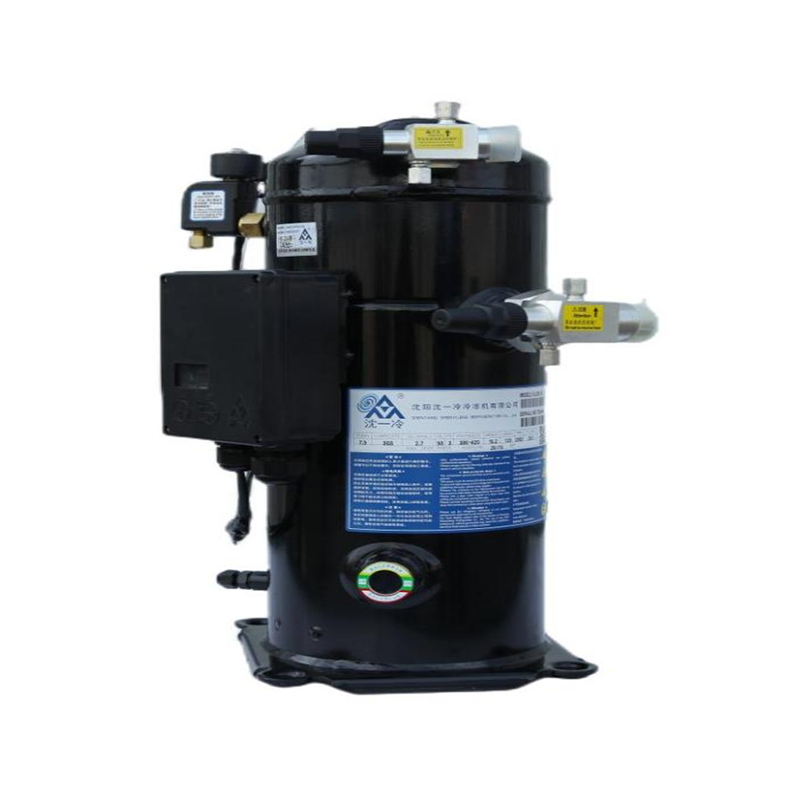
- Compressor: Pressurizes refrigerant gas to 200-300 PSI and raises its temperature to 150-200°F (65-93°C)
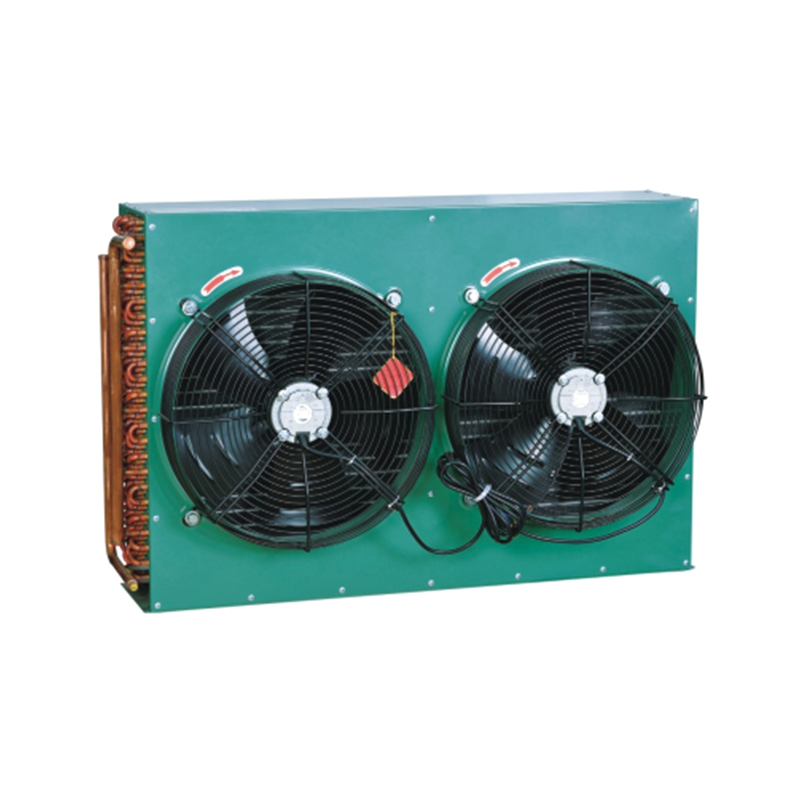
- Condenser coils: Copper tubing with aluminum fins that facilitate heat transfer to outdoor air
- Condenser fan: Draws 2,200-3,000 CFM (cubic feet per minute) of air across the coils
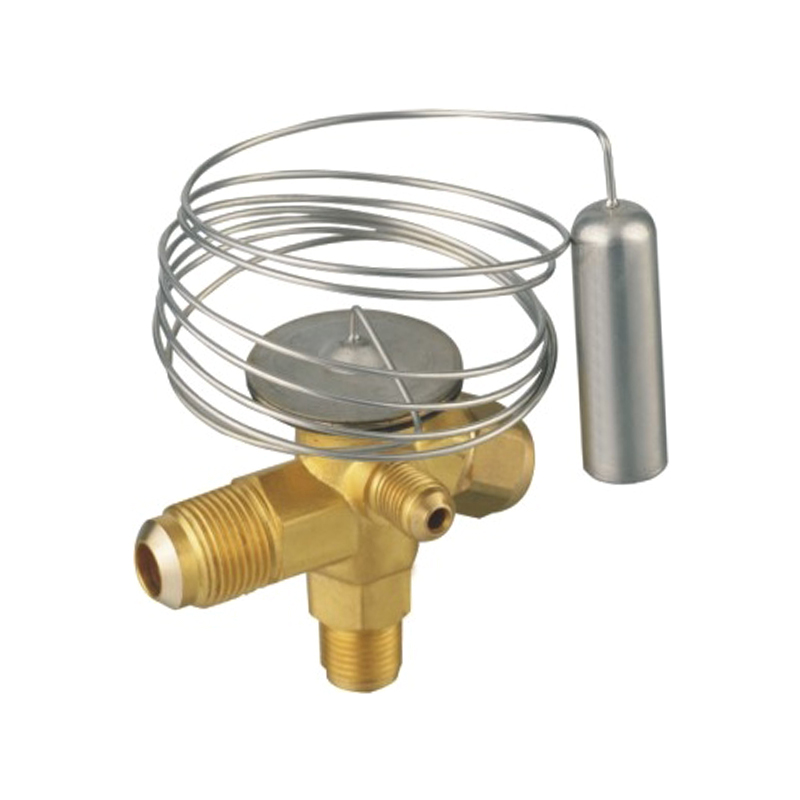
- Expansion valve: Regulates refrigerant flow back to the evaporator
When the hot refrigerant enters the coils, the fan forces ambient air (typically 80-95°F) across the metal surfaces. As the refrigerant temperature drops below its condensation point (around 120°F), it transforms from gas to liquid, releasing latent heat energy outdoors. This liquid refrigerant then cycles back indoors to absorb more heat, maintaining continuous cooling.
Impact of a Dirty Condenser on Efficiency
A dirty condenser can reduce air conditioning efficiency by 30-40% and increase energy consumption by up to 37%, according to U.S. Department of Energy studies. When dirt, leaves, and debris accumulate on coil fins, they act as insulation, preventing proper heat dissipation.
Specific Performance Impacts
The consequences of neglecting condenser cleanliness include:
- Head pressure increases: System pressure rises 20-50 PSI above normal, straining the compressor
- Reduced heat transfer: Even 0.042 inches of dirt can decrease efficiency by 21%
- Longer cooling cycles: Runtime increases 15-25 minutes per hour to reach set temperature
- Premature compressor failure: Operating temperatures exceed 225°F, shortening lifespan by 5-7 years
| Condition Level | Efficiency Loss | Energy Cost Increase | Compressor Risk |
|---|---|---|---|
| Clean | 0% | Baseline | Normal |
| Light dirt | 10-15% | $15-25/month | Elevated |
| Heavy buildup | 30-40% | $50-80/month | Critical |
Proper Condenser Cleaning Procedure
Cleaning your condenser every 3-6 months can restore 95% of lost efficiency and prevent $1,200-3,000 in premature replacement costs. Follow this systematic approach:
Safety Preparation
Always disconnect power at the breaker box and verify with a non-contact voltage tester. Allow the unit to cool for 30 minutes if recently operated. Wear safety glasses and gloves when handling coil fins, which are sharp and easily bent.
Step-by-Step Cleaning Process
- Remove debris: Use a soft brush or vacuum with brush attachment to clear leaves, grass clippings, and cobwebs from the exterior. Maintain 2-3 feet clearance around the unit.
- Straighten fins: Use a fin comb (available at hardware stores for $8-15) to realign bent aluminum fins. Bent fins reduce airflow by up to 30%.
- Apply foaming cleaner: Spray no-rinse foaming cleaner (pH-balanced, specifically for HVAC) across coil surfaces. Allow 10-15 minutes dwell time for chemical action.
- Rinse gently: Use a garden hose with spray nozzle at 45-degree angle, working from top to bottom. Never exceed 100 PSI—high pressure bends fins permanently.
- Clean fan blades: Wipe blades with damp cloth to remove dust buildup that causes imbalance and vibration.
- Verify drainage: Ensure condensate drain lines are clear to prevent water backup and humidity issues.
For units with severe grease or oil contamination (common near cooking areas or industrial zones), use a commercial degreaser followed by thorough rinsing. Professional deep cleaning services cost $75-150 but include acid washing for heavily oxidized coils.
Recognizing Condenser Malfunction Symptoms
Early detection of condenser problems can reduce repair costs by 60-80% compared to addressing catastrophic failures. Monitor for these warning signs:
Operational Warning Signs
- Insufficient cooling: Indoor temperature rises 5-10°F above thermostat setting despite continuous operation
- Frequent cycling: Unit turns on/off every 5-10 minutes (short-cycling) instead of normal 15-20 minute cycles
- Unusual noises: Grinding, screeching, or clicking sounds indicating compressor or fan motor bearing failure
- Ice formation: Frost or ice on refrigerant lines suggests low pressure due to leaks or restriction
- Hot air discharge: Minimal warmth from outdoor unit top indicates poor heat rejection
Electrical and Pressure Indicators
Advanced symptoms measurable with gauges or multimeters include:
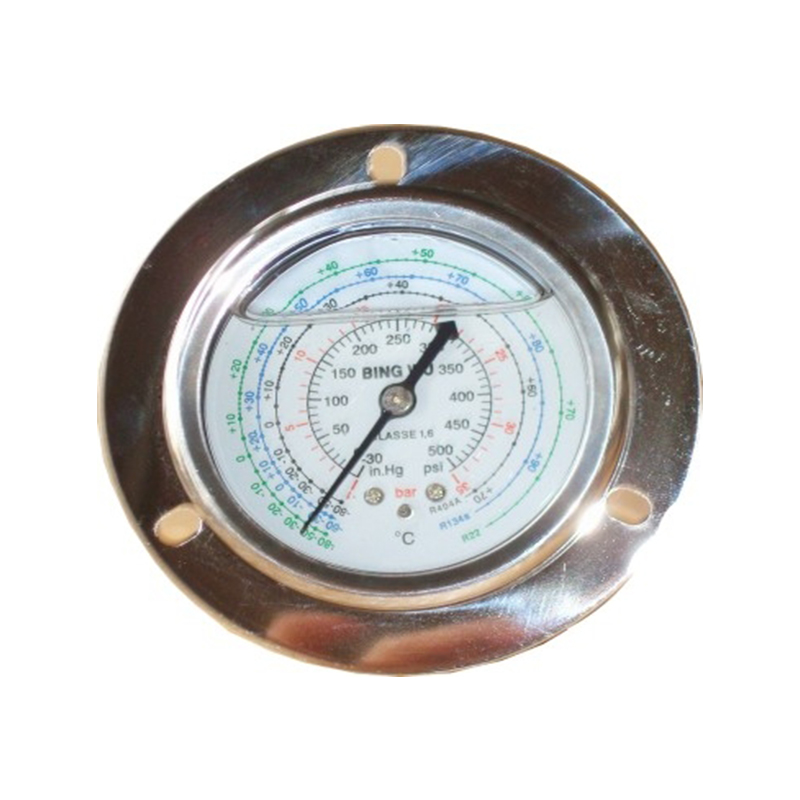
- High head pressure: Readings exceeding 300 PSI on R-410A systems (normal: 225-275 PSI at 85°F ambient)
- Elevated amp draw: Compressor pulling 15-20% more amps than nameplate rating (indicates mechanical strain)
- Capacitor failure: Bulging or leaking dual-run capacitor (5-10 microfarad deviation from rating)
When to Replace Your Condenser Unit
Replacement is economically justified when repair costs exceed 40% of a new unit price or when the system is over 12-15 years old. Use this decision framework:
Replacement Criteria Checklist
| Factor | Repair | Replace |
|---|---|---|
| Age of unit | Under 10 years | Over 12-15 years |
| Repair cost | Under $600 | Over $1,000 |
| Refrigerant type | R-410A (current) | R-22 (phased out, $90-150/lb) |
| SEER rating | 14+ SEER | Under 10 SEER |
| Compressor status | Electrical issues only | Mechanical failure/burnout |
Critical replacement triggers include: compressor mechanical failure ($1,500-2,500 repair vs. $2,000-4,500 replacement), refrigerant leaks in the condenser coil itself (repair often fails within 1-2 years), or corrosion compromising structural integrity. New 16-18 SEER units reduce cooling costs by 20-40% compared to 10-12 SEER legacy systems, providing payback in 4-7 years.
Handling Refrigerant Leaks in the Condenser
Refrigerant leaks reduce cooling capacity by 10% for every 10% of charge lost, and operating with low refrigerant destroys compressors within 6-12 months. Immediate action is essential.
Leak Detection and Response
Signs of condenser refrigerant leaks include:
- Oily residue: PAG or POE oil streaks on coil surfaces, fittings, or service valves (refrigerant carries lubricant)
- Hissing sounds: Audible escape of pressurized gas (200-400 PSI) from pinholes or cracks
- Frozen evaporator: Indoor coil ices over due to insufficient refrigerant flow and pressure drop
- Extended runtime: Unit operates 50-100% longer to achieve temperature setpoints
Never attempt DIY refrigerant handling—EPA Section 608 certification is legally required for purchasing or charging refrigerants. Professional technicians use electronic leak detectors (sensitivity to 0.5 oz/year), ultraviolet dye injection, or nitrogen pressure testing to locate leaks. Repair options depend on location:
- Service valve leaks: Replace Schrader cores ($15-30 parts) or valve caps with seals
- Line set connections: Re-braze copper joints with silver solder and nitrogen purge
- Coil pinholes: Epoxy sealants provide temporary fixes; coil replacement ($800-1,500) is permanent
- Multiple leak points: Indicates systemic corrosion—full condenser replacement recommended
After repair, the system requires evacuation to 500 microns vacuum level and precise refrigerant charging by weight (typically 5-15 lbs for residential systems) to prevent slugging or insufficient cooling.
Consequences of a Failed Condenser Fan
A non-functioning condenser fan causes compressor overheating within 5-10 minutes of operation, triggering high-pressure safety shutdowns or catastrophic compressor failure costing $1,200-2,500.
Immediate Operational Impact
Without forced airflow, condenser pressure spikes rapidly:
- Pressure escalation: Head pressure climbs 50-100 PSI above maximum safe limits (450+ PSI on R-410A)
- Temperature surge: Compressor discharge temperature exceeds 225°F, breaking down internal lubricants
- Safety shutdown: High-pressure switch opens at 600-650 PSI, disabling cooling until reset
- Thermal overload: Compressor draws excessive amps (20-30% above rating) and trips breakers
Fan Failure Causes and Solutions
Common failure modes include:
| Failure Type | Symptoms | Repair Cost | Urgency |
|---|---|---|---|
| Capacitor failure | Humming, no rotation | $15-50 | Immediate |
| Motor burnout | Burnt smell, seized | $200-400 | Same day |
| Blade damage | Vibration, noise | $50-120 | 24-48 hours |
| Control board | No power to fan | $200-600 | Same day |
If the fan fails during peak heat (95°F+), immediately shut off the unit to prevent compressor damage. Temporary cooling can be achieved by misting the condenser coils with water while awaiting repair, but this is an emergency measure only.
Extending Condenser Lifespan Through Maintenance
Proper maintenance extends condenser lifespan from the typical 10-15 years to 18-20 years, while reducing energy costs by 15-25% annually. Implement this comprehensive care regimen:
Monthly Maintenance Tasks
- Visual inspection: Check for debris accumulation, vegetation growth within 2-foot perimeter, and visible damage to fins or cabinet
- Listen for changes: New rattling, grinding, or buzzing sounds indicate loose components or bearing wear
- Verify airflow: Feel for strong, warm air discharge from unit top—weak flow suggests dirty coils or fan issues
Seasonal Deep Maintenance
Before cooling season (spring) and after shutdown (fall):
- Professional tune-up: HVAC technicians perform amp draws, capacitor testing, refrigerant level verification, and electrical connection tightening ($75-150)
- Coil cleaning: Deep chemical cleaning removes embedded dirt inaccessible to homeowner rinsing
- Protective measures: Install hail guards in storm-prone regions; apply corrosion-resistant coating in coastal areas (salt air accelerates coil deterioration by 40%)
- Cover during winter: Use breathable condenser covers to prevent leaf accumulation while avoiding moisture trapping that causes rust
Environmental Optimization
Strategic landscaping and installation improve longevity:
- Shade installation: Proper overhead shading (without restricting airflow) reduces operating temperatures by 10-15°F, decreasing compressor workload
- Elevation: Install on concrete pads 4-6 inches above grade to prevent flooding and debris infiltration
- Vibration isolation: Rubber mounting pads reduce compressor vibration transfer, minimizing refrigerant line fatigue
Key longevity statistics: Units receiving bi-annual professional maintenance average 16.7 years lifespan vs. 11.2 years for neglected systems. The $150-300 annual maintenance investment prevents $3,000-5,000 premature replacement costs.
Frequently Asked Questions About AC Condensers
Can I run my AC without a condenser fan temporarily?
No—operating without the condenser fan risks catastrophic compressor failure within minutes. The system will either trip high-pressure safety switches immediately or overheat the compressor until internal damage occurs. If the fan fails, shut off power at the breaker until repaired.
How much does it cost to replace a condenser unit?
Residential condenser replacement costs range from $2,000 to $4,500 including installation, depending on tonnage (2-5 tons), SEER rating (14-20 SEER), and refrigerant type. High-efficiency variable-speed units cost $5,000-7,000 but qualify for $300-500 federal tax credits and reduce cooling costs by 30-50%.
Why is my condenser making loud noises?
Common noise sources and severity:
- Rattling: Loose cabinet screws or debris in fan blades (minor, DIY fixable)
- Buzzing: Failing contactor or capacitor (moderate, requires technician)
- Screeching/squealing: Fan motor bearing failure (urgent, motor replacement needed)
- Clicking then silence: Compressor hard-starting or failing (critical, potential replacement)
- Hissing/gurgling: Refrigerant leak or internal valve failure (critical, immediate service required)
Should I repair or replace a leaking condenser coil?
Coil replacement is recommended when the unit is under 8 years old and repair costs are under $1,200. However, coil leaks often indicate formicary corrosion (ant nest corrosion) affecting multiple areas—replacement coils frequently develop new leaks within 2-3 years. For units over 10 years old, full condenser replacement provides better long-term value.
Can I upgrade just the condenser for better efficiency?
Mismatched components reduce efficiency and void warranties. The Air-Conditioning, Heating, and Refrigeration Institute (AHRI) certifies matched systems—condensers must pair with compatible evaporator coils and metering devices. Upgrading to a higher SEER condenser without matching indoor components typically yields only 30-50% of rated efficiency gains and may cause humidity control issues.
How do I know if my condenser is the right size for my home?
Proper sizing requires Manual J load calculations considering square footage, insulation, windows, and climate. Rule of thumb: 1 ton of cooling per 400-600 square feet in moderate climates, 350-400 square feet in hot/humid regions. Oversized condensers short-cycle (poor humidity removal); undersized units run continuously (excessive wear). Professional sizing prevents 20-30% efficiency penalties from improper capacity.