 English
 русский
 Tiếng Việt
Content
- 1 Why R-134a Is Being Phased Down
- 2 134a Phase Out Timelines and Rules at a Glance
- 3 What This Means for Cold Rooms, Chillers, and Condensing Units
- 4 Retrofit or Replace: The Engineering Checks That Matter
- 5 A Practical Transition Plan for Cold Storage Operators
- 6 Choosing Lower-GWP Equipment Without Overbuying
- 7 Frequently Asked Questions
R-134a is being phased out, but it is not being collected from every cold room on a single date. As of late 2026, the practical answer is narrower: new equipment using R-134a is increasingly restricted in some markets, bulk supply is tightening under HFC production and consumption caps, and existing systems can usually continue to be serviced where regulations allow. The real cost and compliance risk sit in the details: application, charge size, region, leak history, and whether a retrofit makes engineering and economic sense.
R-134a is an HFC with a global warming potential of about 1,430. It is not an ozone-depleting refrigerant, which is why it replaced R-12 in many systems. The current pressure is climate policy, not ozone protection. For cold storage, chillers, and condensing units, that distinction matters: the phase out is less a sudden ban and more a procurement and maintenance planning issue.
Why R-134a Is Being Phased Down
The US AIM Act uses an allowance system to cap HFC production and consumption, stepping down to 15% of the baseline by 2036. The EPA Technology Transitions rule also restricts certain new equipment using high-GWP HFCs, but it does not require every existing R-134a system to be removed. EU F-gas rules work differently, yet the direction is the same: high-GWP refrigerants face new-equipment bans and tighter servicing rules by application and charge size.
Transport is the clearest example. New light-duty vehicle air-conditioning systems have largely moved to lower-GWP refrigerants such as R-1234yf, while older R-134a vehicles remain in service. Stationary refrigeration is more fragmented. A small medium-temperature condensing unit, a process chiller, and a large industrial plant do not face the same rules or the same replacement options.
For owners, a phase out is not the same as a service ban. In many jurisdictions, you can still maintain an existing R-134a system, but you may pay more for refrigerant, face stricter leak repair and recordkeeping, and find that new equipment quotes specify a different refrigerant.
134a Phase Out Timelines and Rules at a Glance
Use the table below as a screening tool, not a legal opinion. Compliance dates depend on the country, end use, charge size, and whether the equipment is new or existing.
| Market or sector | What is changing | What it means for a refrigeration owner |
|---|---|---|
| US HFC phasedown | Production and consumption allowances step down toward 15% of the baseline by 2036. | Bulk R-134a becomes less available and more expensive; plan supply and leak reduction early. |
| US new-equipment rules | Certain new refrigeration and air-conditioning products face GWP limits; existing equipment is generally not required to be replaced immediately. | Check the end use, capacity, and date before ordering a new R-134a system. |
| EU F-gas rules | New equipment bans and servicing restrictions apply according to GWP, charge, and application. | Export or EU-bound projects need a refrigerant and component review at quotation stage. |
| Vehicle air conditioning | New light-duty vehicles have moved to lower-GWP refrigerants such as R-1234yf. | R-134a remains a service refrigerant for older vehicles, but new designs use different lubricants and components. |
The commercial signal is already visible in quotations. Suppliers are less willing to hold large R-134a inventories, and new projects are more often designed around R-448A, R-449A, R-513A, R-1234yf, R-1234ze, CO2, or ammonia. Each option has trade-offs in capacity, pressure, lubricant, flammability, and service training.
What This Means for Cold Rooms, Chillers, and Condensing Units
R-134a is most often found in medium-temperature cooling, water chillers, and some process systems. It is not usually the first choice for a -25°C blast freezer, where low-temperature refrigerants and cascade or industrial systems are more common. That means the phase out hits different equipment in different ways. A medium-temperature cold room may need a refrigerant review; a chiller may need a new compressor and condenser selection; a low-temperature plant may already be on a different refrigerant path.
For new medium-temperature duty where R-134a is no longer acceptable, the condensing unit should be selected as a matched system: compressor, condenser, receiver, controls, and refrigerant compatibility together. Retrofitting a unit that was designed for R-134a with an A2L refrigerant is not a like-for-like swap.
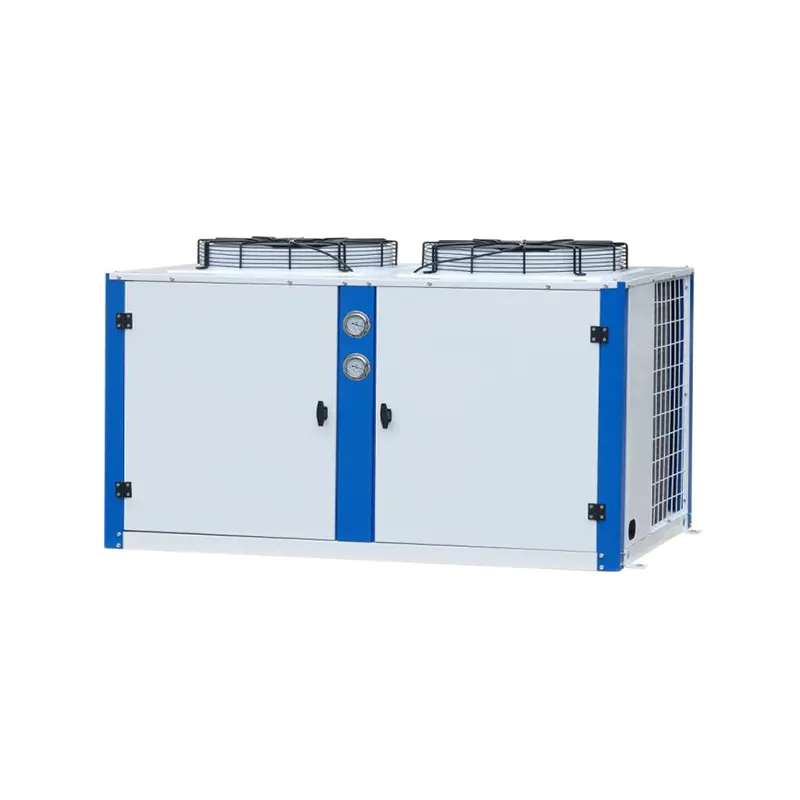
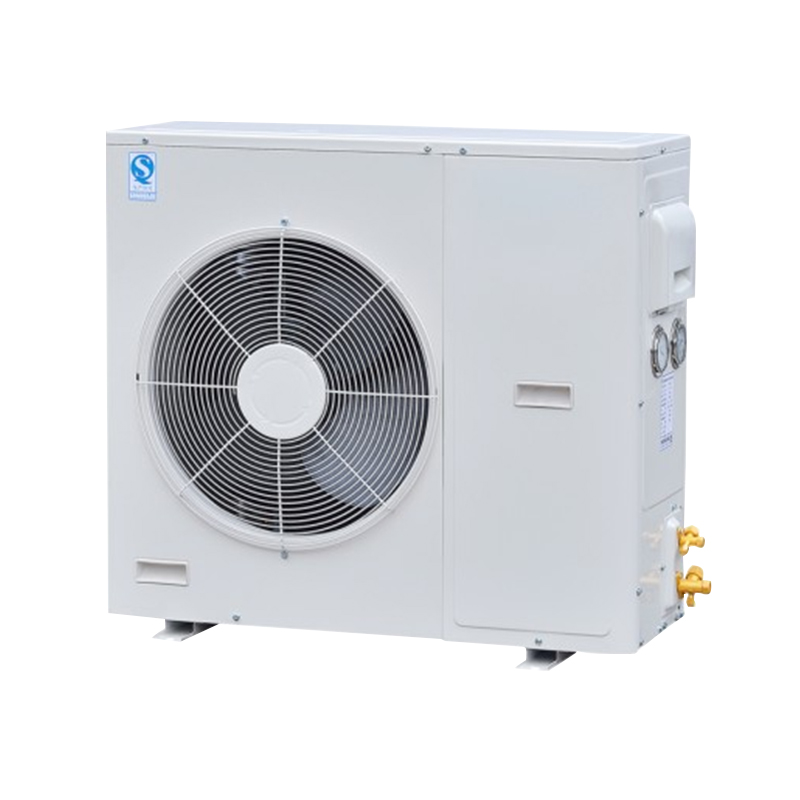
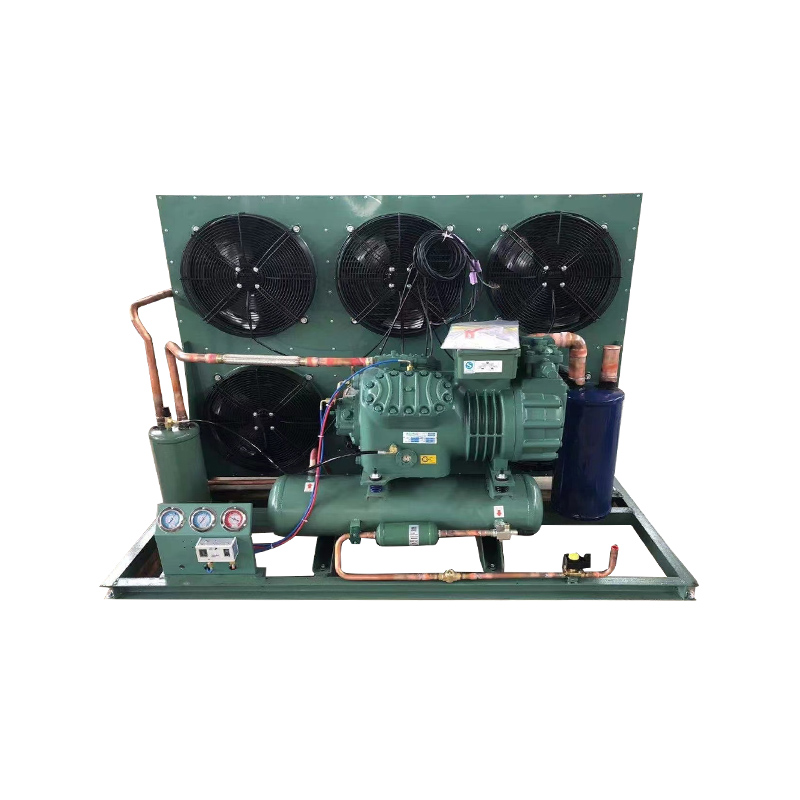 Air-Cooled Condensing Units for Matched Refrigeration SystemsView this air-cooled condensing unit for medium-temperature projects where compressor, condenser, controls, and refrigerant compatibility should be selected as a matched system.View Product →
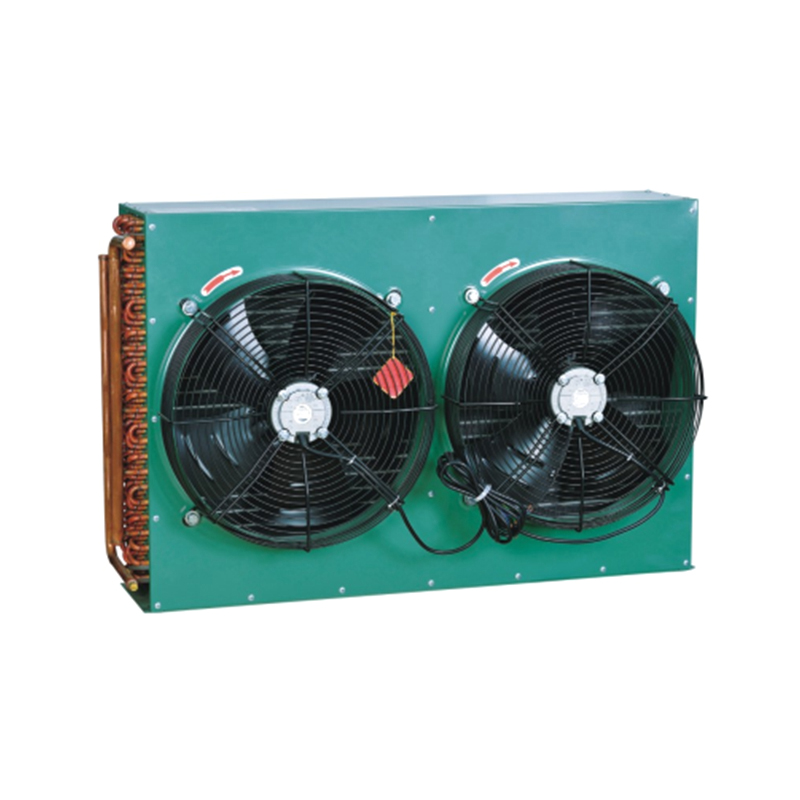
Air-cooled condensing units remain common in smaller cold rooms and process rooms because they avoid a water circuit. In a phase-out project, check the expected condensing temperature, ambient design, refrigerant glide, oil return, and control settings before accepting a lower-GWP alternative.
Retrofit or Replace: The Engineering Checks That Matter
A drop-in replacement for R-134a does not exist in the simple sense. Lower-GWP options may have different volumetric capacity, suction pressure, discharge temperature, lubricant compatibility, and safety classification. R-1234yf and R-1234ze are mildly flammable A2L refrigerants, so charge limits, ventilation, leak detection, electrical components, and technician training all become part of the decision.
Before approving a retrofit, review the compressor oil, expansion valve, filter drier, pressure controls, elastomers, and relief devices. The expansion valve and controls are especially important because a refrigerant with different mass flow and glide can shift superheat and capacity.
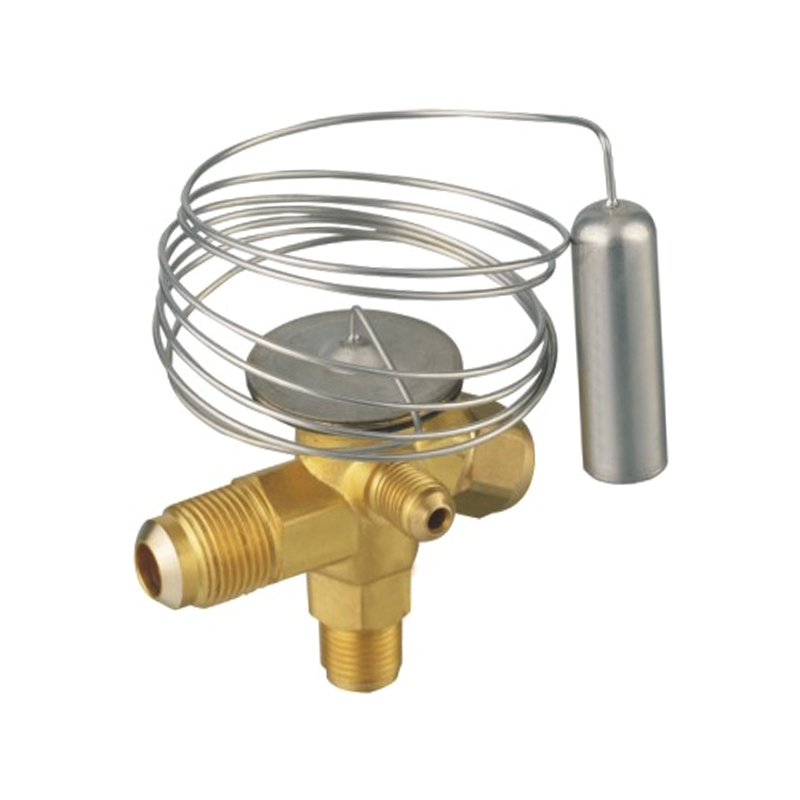 Expansion Valves for Refrigeration System Flow ControlReview this expansion valve for retrofit planning, where oil, controls, superheat, and capacity effects need checking before changing refrigerant.View Product →
In many cases, replacing only the refrigerant is the riskiest option. A better plan is to compare the remaining life of the asset, the cost of leak repair, the energy penalty of a compromised retrofit, and the availability of a new matched unit. If the system is already leaking or the compressor is near end of life, a new lower-GWP package is often easier to validate than a field retrofit.
A Practical Transition Plan for Cold Storage Operators
- Inventory every circuit: refrigerant, charge, age, leak history, and criticality.
- Fix leaks before changing refrigerant. A lower-GWP gas does not solve a leaking system.
- Check regional rules for new equipment, servicing, and recordkeeping.
- Ask for a written refrigerant and component compatibility review, not a verbal “drop-in” claim.
- Train technicians on the selected refrigerant, especially if it is A2L or high-pressure CO2.
- Keep spare parts and service contracts aligned with the new refrigerant.
For maintenance teams, the fault-finding basics do not change. Low condensing pressure, blocked lines, incorrect superheat, and pressure-control faults still drive most reliability problems. The refrigerant transition adds a documentation layer: every repair, leak test, and refrigerant addition should be traceable. A useful starting point is this cold storage fault analysis guide, which covers common system symptoms before a refrigerant decision is made.
Choosing Lower-GWP Equipment Without Overbuying
Not every R-134a system needs to be replaced now. The right time to act is when a system is due for major repair, a new room is being designed, or refrigerant supply becomes a production risk. For new projects, define the refrigerant before the compressor and heat exchangers are ordered.
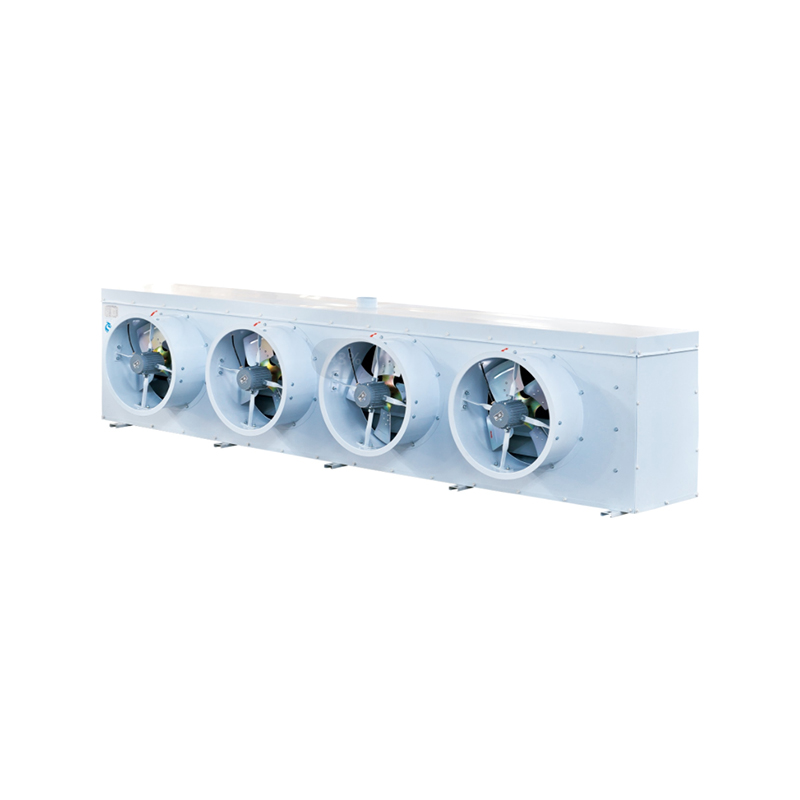
For low-temperature rooms, evaporator selection must match the refrigerant, defrost method, and temperature range. A coil rated for one refrigerant may have different circuiting and capacity with another. The DJ-type low-temperature evaporator is one option for low-temperature duty when the system design has been checked as a whole.
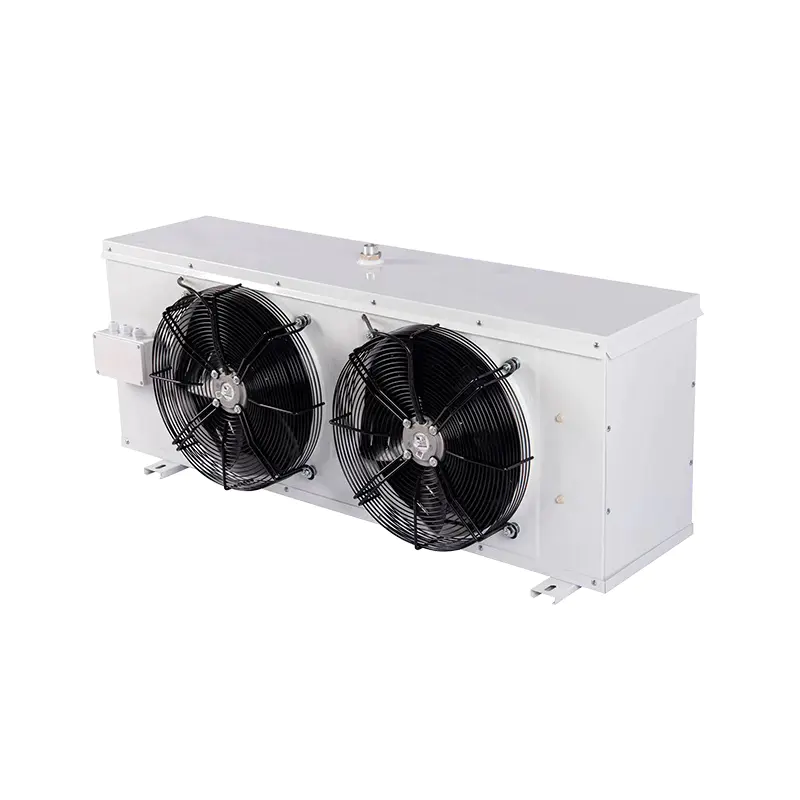 DJ-Type Low-Temperature Evaporators for Cold StorageConsider this DJ-type evaporator for low-temperature rooms below -25°C after confirming refrigerant, defrost method, and whole-system design match.View Product →
Use a simple decision matrix: refrigerant GWP, safety class, capacity at design conditions, component availability, service training, and total cost over the remaining life. The lowest-GWP refrigerant is not automatically the best choice if the site cannot support its safety requirements or if the compressor and controls are not matched.
Frequently Asked Questions
Is R-134a banned now?
No single global ban applies to every existing system. New equipment restrictions and HFC supply caps vary by region and application. Many existing R-134a systems can still be serviced where local rules allow, but refrigerant supply, leak repair rules, and recordkeeping are tighter than they were a decade ago.
Can I still recharge an existing R-134a system?
In many jurisdictions, yes, provided the system is leak-tight and the work follows local refrigerant handling rules. The larger risk is economic: R-134a may become harder to source, and repeated leaks can turn a cheap top-up into a compliance and downtime problem.
Can I replace R-134a with R-513A or R-1234yf?
Not as a blind drop-in. R-513A is a lower-GWP HFC blend, while R-1234yf is an A2L refrigerant. Both require a compatibility review covering compressor oil, expansion valve, pressure controls, elastomers, charge limits, ventilation, and safety labeling.
What should a new cold room use instead?
It depends on temperature, charge size, location, and safety constraints. Medium-temperature systems may use R-448A, R-449A, or R-513A; smaller A2L systems may use R-1234yf or R-1234ze; industrial plants may evaluate CO2 or ammonia. The refrigerant choice must be made before the condensing unit, evaporator, and controls are ordered.
The 134a phase out is a transition, not a switch. The operators who handle it well will not necessarily replace equipment first; they will know their refrigerant inventory, fix leaks, check the rules for their exact application, and choose new equipment as a matched system rather than a gas-only substitution.