 English
 русский
 Tiếng Việt
Content
- 1 Cold Room Insulation Panel Thickness: The Short Answer
- 2 Why Thickness Is a Load Decision, Not a Temperature Label
- 3 Typical Panel Thickness Ranges by Room Temperature
- 4 Panel Core and R-Value: The Same Thickness Is Not the Same Performance
- 5 Details That Can Undo a Good Thickness Choice
- 6 Match Insulation Thickness With the Refrigeration Equipment
- 7 Procurement Checklist for Cold Room Panel Thickness
- 8 FAQ: Cold Room Insulation Panel Thickness
- 9 Turn the Thickness Decision Into a Specification
Cold Room Insulation Panel Thickness: The Short Answer
Start with 100 mm for a 0 to +5°C chiller, 120–150 mm for a -18 to -25°C freezer, and 150–200 mm for -30°C, blast freezing, or high door traffic. Treat those figures as a first pass, not a final specification. The right cold room insulation panel thickness comes from room temperature, panel core, humidity, door openings, product load, and the refrigeration equipment behind the wall.
A 100 mm panel in a quiet, well-sealed 0°C room can be sensible. The same panel on a -25°C room with forklift doors opening every few minutes is often a false economy. The compressor and evaporator run longer, defrost cycles become more frequent, and the owner pays for it every month.
Why Thickness Is a Load Decision, Not a Temperature Label
Panel thickness controls heat gain through the envelope, but it is only one part of the refrigeration load. A thicker panel reduces transmission heat gain. It does not fix poor door seals, unsealed penetrations, or an undersized defrost system. Before choosing a panel, separate the load into its main parts:
- Transmission through walls, ceiling, floor, and joints.
- Infiltration through doors, curtains, and air locks.
- Product load from warm goods entering the room.
- Defrost, fans, lights, people, and equipment motors.
This is why two rooms at -18°C can need different panel thicknesses. A small, sealed storage room with low traffic may perform well with 120 mm. A busy distribution freezer with high humidity and frequent loading may justify 150 mm or more, especially when the evaporator has long air throws and repeated defrost cycles.
Typical Panel Thickness Ranges by Room Temperature
The table below is a practical starting point for early budgeting and layout. It is not a substitute for a room-by-room load calculation, local code, or the panel manufacturer’s tested data.
| Application | Typical Room Temperature | Starting Thickness | Why It Fits | Watch-Outs |
|---|---|---|---|---|
| Chilled storage | 0 to +5°C | 75–100 mm | Moderate temperature difference; 100 mm is common for busy rooms. | Door traffic, product load, and hot climates may push the choice to 100–120 mm. |
| Medium-temperature preparation | +10 to -5°C | 80–100 mm | Matches many medium-temperature cooling and holding duties. | Washdown, hygiene, and panel core selection matter as much as thickness. |
| Frozen storage | -18 to -25°C | 120–150 mm | Limits heat gain in a high temperature-difference envelope. | Continuity at floor, ceiling, door frames, and pipe penetrations is critical. |
| Low-temperature storage | -30°C and below | 150–200 mm | Reduces transmission load when the indoor-outdoor difference is large. | Vapor barrier, equipment capacity, and defrost design need early review. |
| Blast freezing or rapid pull-down | -35°C or cyclic | 150–200 mm | Handles high internal loads and fast temperature recovery. | Internal loads, air curtains, door management, and structural supports can dominate. |
Panel Core and R-Value: The Same Thickness Is Not the Same Performance
A 100 mm panel is not automatically equal to another 100 mm panel. The core material, density, closed-cell content, facing, and joint design all change thermal performance. Ask for the R-value at the mean temperature the room will actually see, not only a laboratory headline figure.
Polyurethane and PIR
Polyurethane and PIR panels are common in cold rooms because they provide high thermal resistance per inch. A 100 mm PU/PIR panel may deliver roughly R-24 to R-30 depending on the datasheet. That can make 100–150 mm practical for many chilled and frozen rooms, provided joints and vapor barriers are detailed correctly.
EPS
EPS usually has a lower R-value per inch than PU/PIR. It can be cost-effective in mild chilled rooms, but low-temperature freezers may need 150–200 mm EPS to approach the thermal performance of a thinner PU/PIR panel. Check the actual product data rather than applying a generic rule.
Rock Wool
Rock wool can offer fire performance and sound benefits, but it is heavier and usually needs more thickness for the same thermal resistance. It also demands careful moisture detailing. It may suit specific fire-rated or process rooms, but it is not an automatic upgrade for every freezer.
Details That Can Undo a Good Thickness Choice
Most cold room problems are not caused by the panel thickness alone. They come from breaks in the envelope. A 25 mm gap around a pipe can defeat 100 mm of insulation. A damaged door gasket can add more load than the next 25 mm of panel might save.
- Seal joints, corners, and panel-to-floor junctions with the specified gaskets and sealants.
- Detail door frames, thresholds, heaters, and air curtains before ordering panels.
- Close pipe, drain, cable, and sensor penetrations with vapor-tight sleeves and sealant.
- Keep the vapor barrier continuous on the warm side, especially for freezer rooms.
- Check ceiling panel span, support spacing, and hanging loads for lights and evaporators.
- Protect panels in washdown areas with suitable facings and impact protection.
If a room already shows ice at the door, long pull-down times, or unstable temperature, review the envelope and the refrigeration system together. This cold storage refrigeration fault analysis is a useful field reference for narrowing down the cause.
Match Insulation Thickness With the Refrigeration Equipment
Thickness affects the cooling load, but equipment selection must use the full load, not just the panel R-value. Oversizing a condensing unit to compensate for a weak envelope can cause short cycling, unstable humidity, and poor defrost. Undersizing it to save capital cost can leave the room unable to recover after loading.
Medium-Temperature Rooms
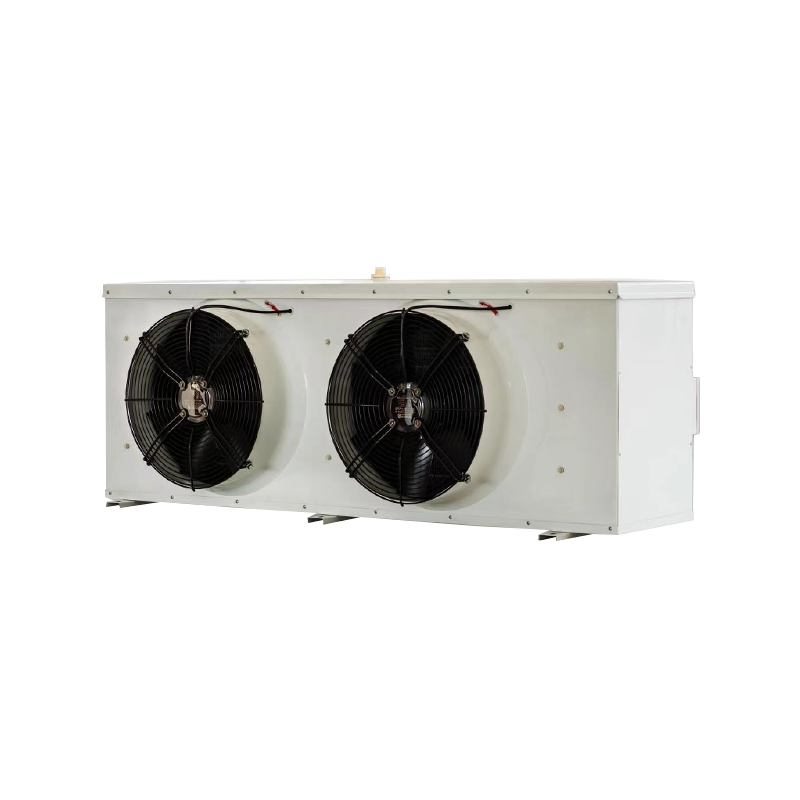
For +5 to -5°C rooms, a DD-type medium-temperature evaporator is typically selected around the room’s sensible and latent load, air circulation, and defrost needs. Brozer’s evaporator range separates DD, DJ, and DL models by temperature band, which helps align the coil with the panel specification.
Low-Temperature Rooms
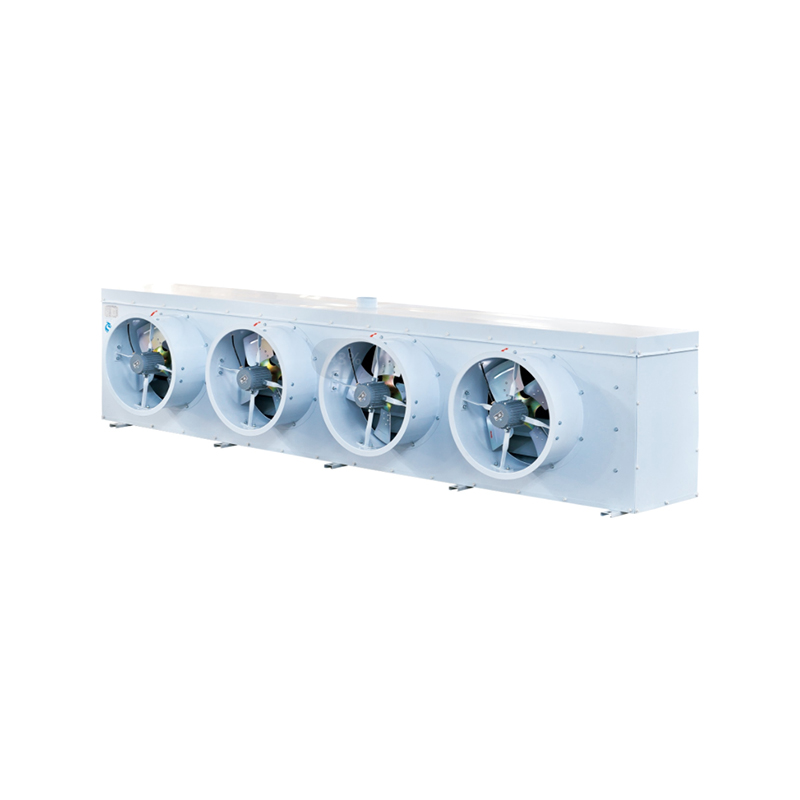
For frozen storage at -18°C and below, a DJ-type low-temperature evaporator is usually the better match. The evaporator, defrost method, and panel vapor barrier must be designed together. A thicker panel reduces heat gain, but it does not remove the need for correct defrost termination and drain protection.
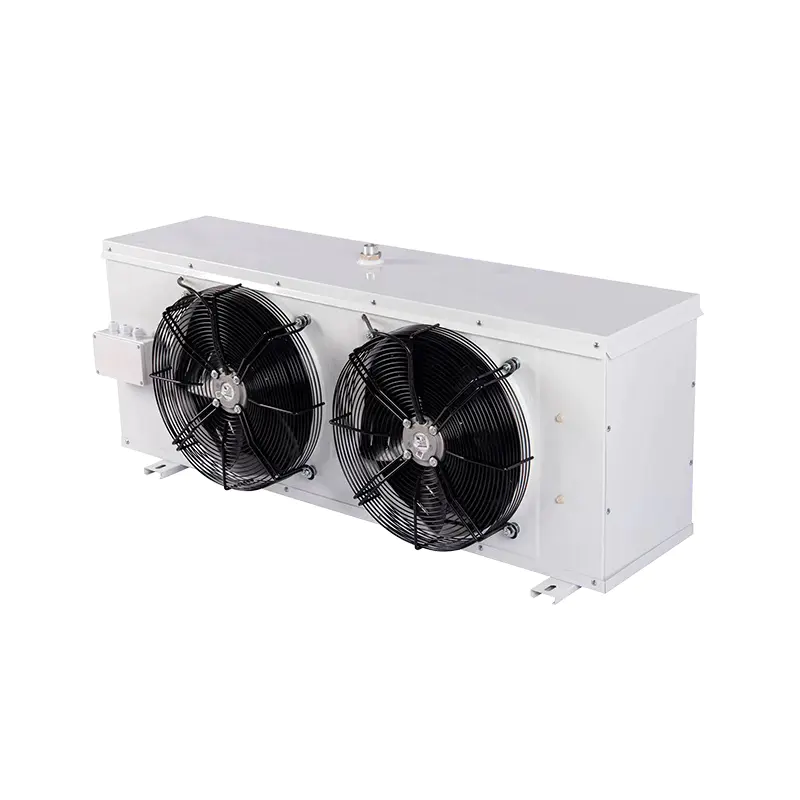 DJ Low-Temperature Evaporator for Quick-Freezing StorageDesigned for quick-freezing warehouses below -25°C, this evaporator suits meat, seafood, pharmaceutical, and chemical low-temperature freezing when matched with correct defrost and panel detailing.View Product →
Condensing Units
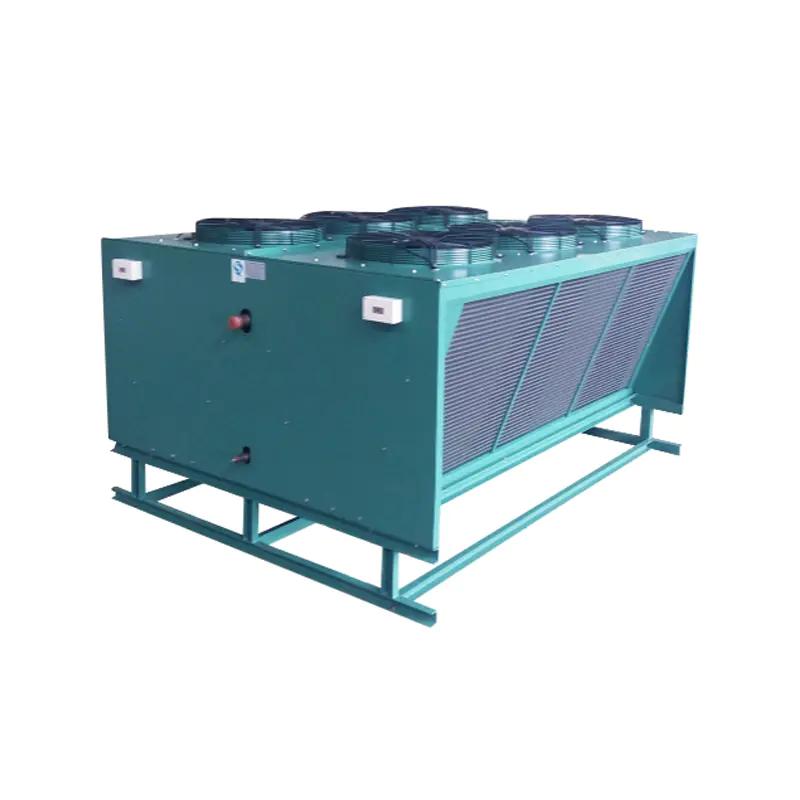
An air-cooled condensing unit must be sized for the complete load at the design ambient temperature. If the panel thickness changes during design, revisit the compressor, condenser, and evaporator selection at the same time. Otherwise, the quote may look complete while the system is mismatched.
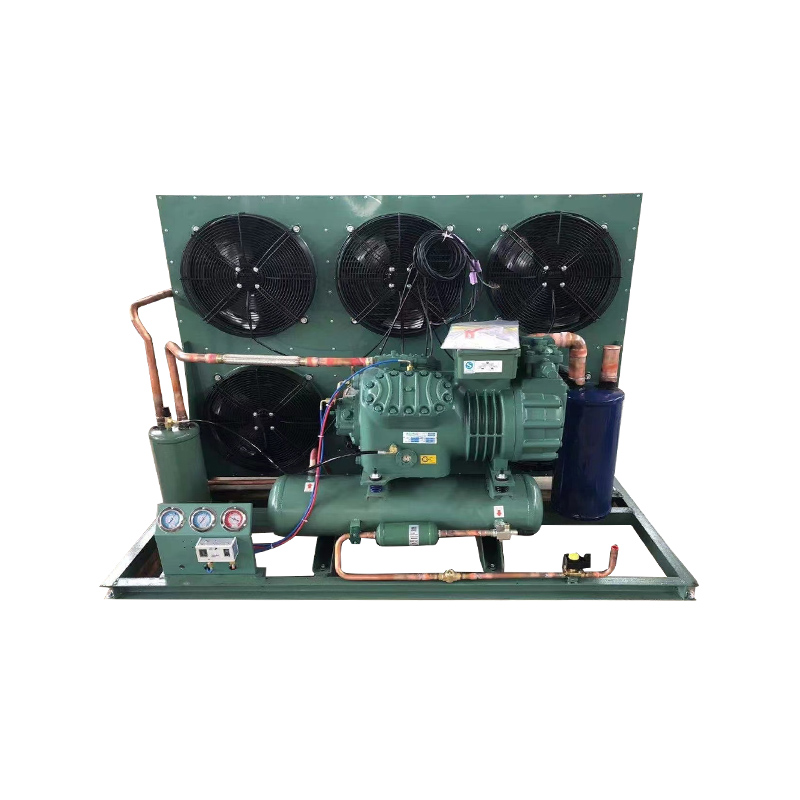 Air-Cooled Condensing Unit for Refrigeration SystemsA compact air-cooled condensing unit with compressor, condenser, and controls; it avoids water cooling and suits projects where complete load sizing and easy maintenance matter.View Product →
Procurement Checklist for Cold Room Panel Thickness
Use this checklist when comparing panel quotes. It helps separate a real specification from a price per square meter.
- State the design room temperature, ambient condition, and required pull-down time.
- Provide the full load calculation, including infiltration and defrost.
- Confirm nominal core thickness and the manufacturer’s thickness tolerance.
- Ask for R-value at the relevant mean temperature, not only a single test point.
- Specify core density, closed-cell content, facing type, and fire performance.
- Require joint details, gaskets, sealants, and vapor barrier accessories.
- Check panel weight, span, support spacing, and hanging loads.
- Review door specifications, traffic volume, and protection against impact.
- Confirm that equipment selection uses the same envelope assumptions.
FAQ: Cold Room Insulation Panel Thickness
Is 100 mm enough for a -18°C freezer?
It can be a minimum starting point in mild conditions, but 120–150 mm is more common for energy-conscious freezers, high humidity, or frequent door openings. Confirm with the full load calculation.
Can I use 75 mm for a chiller?
Yes for small, low-traffic 0 to +5°C rooms in mild conditions, but 100 mm usually gives a better margin. Hot climates, washdown, and busy doors may justify 100–120 mm.
Does a thicker panel always save money?
It reduces transmission heat gain, but savings flatten. Infiltration, defrost, door management, and equipment efficiency can outweigh the next 25 mm. Optimize the whole room, not just the wall.
What is the difference between 100 mm PU and 100 mm EPS?
PU/PIR typically provides a higher R-value per inch. Depending on product data, 150–200 mm EPS may be needed to approach the thermal performance of 100 mm PU.
Turn the Thickness Decision Into a Specification
Write the panel thickness, core type, R-value, joint detail, vapor barrier, door specification, and equipment capacity into one project document. Then compare quotes against that document, not against the thickest panel on the table. Brozer has more than 21 years in refrigeration manufacturing and supplies compressors, condensing units, evaporators, and accessories for cold rooms, chillers, and process cooling. When the panel thickness changes, revisit the evaporator and condensing unit selection at the same time so the envelope and the refrigeration system remain matched.