 English
 русский
 Tiếng Việt
Content
- 1 A cold room installation quote is built from five cost buckets
- 2 Size and temperature change the installation cost more than any other decision
- 3 Insulation, doors, and site conditions decide the labor hours
- 4 Equipment choices shift cost between purchase price and operating bill
- 5 Retrofit projects carry different installation risks
- 6 How to compare cold room installation quotes
- 7 Frequently asked questions
Picture a 3 m × 4 m walk-in cooler inside an existing warehouse. The panels look straightforward; the quote is not. A useful planning range for that size is often around USD 6,000–15,000 in many export markets, before local taxes and unusual site work, with a same-footprint freezer usually 20–40% higher. The conclusion first: cold room installation cost is driven more by temperature, site conditions, and scope gaps than by panel price alone. Compare quotes by included work, not by the headline number.
A cold room installation quote is built from five cost buckets
The fastest way to read a cold room quote is to separate equipment from installation. A supplier may quote panels, refrigeration equipment, freight, labor, electrical connection, controls, and commissioning as one number. That feels simple, but it hides the two items that most often cause budget overruns: site preparation and missing scope.
| Cost bucket | What it usually covers | Typical share of installed budget | Procurement risk if unclear |
|---|---|---|---|
| Refrigeration equipment | Condensing unit, evaporator, condenser, valves, controls, refrigerant | 35–50% | Undersized equipment or excluded refrigerant and controls |
| Enclosure, doors, and panels | Insulated panels, floor insulation, door, frame, seals, drainage | 20–30% | Thin panels or door hardware priced as an extra |
| Installation labor | Panel erection, pipework, insulation, door alignment, sealing | 15–25% | Access limits, night work, or crane time left out |
| Electrical and controls | Isolator, cabling, controller, sensors, alarms, defrost wiring | 8–15% | “Final connection by others” becomes your cost |
| Site work and contingency | Floor repair, plinths, penetrations, freight, permits, testing | 5–12% | Unclear responsibility for making the room workable |
A quote with one lump sum is not automatically cheaper. It is simply harder to compare. Ask for a line-item scope sheet, then check whether the excluded items are realistic for your building.
Size and temperature change the installation cost more than any other decision
Doubling room volume does not double the price, but it increases panel area, door size, refrigeration capacity, pipe runs, and commissioning time. A 3 m × 4 m × 2.5 m cooler has about 30 m³ of volume; a 6 m × 8 m × 3 m room has about 144 m³. The second room needs more than a larger box. It needs a different heat-load calculation, airflow pattern, drain route, and likely a different condensing unit.
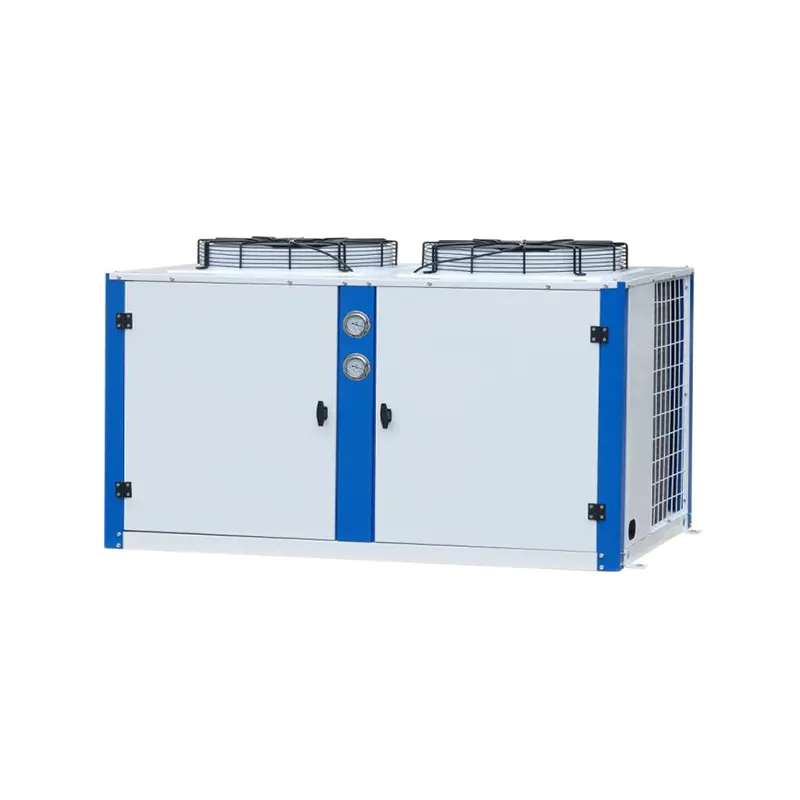
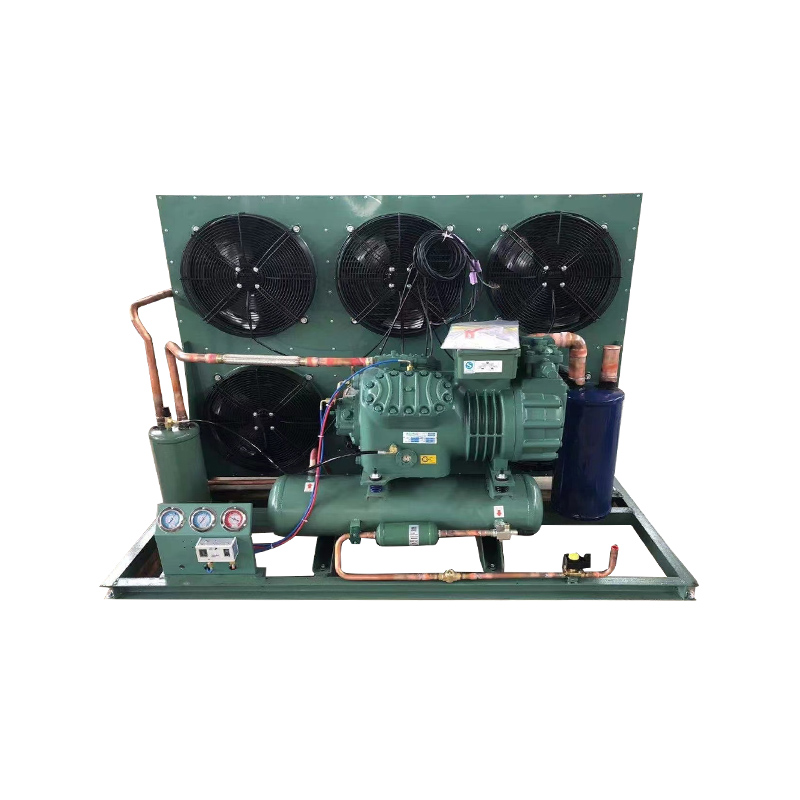 Air-Cooled Condensing Units for Refrigeration SystemsRelevant when comparing cooler and freezer heat loads, this air-cooled condensing unit combines compressor, condenser, evaporator, throttling components, and controls without a water source.View Product →
Temperature is the sharper cost driver. A 0 °C cooler and a −25 °C freezer can share a footprint while using different evaporator spacing, defrost method, door heating, floor insulation, and low-temperature controls. For a freezer, a low-temperature evaporator matched to the room load is not a place to save a small amount; short defrost cycles and poor airflow turn into callbacks and product risk.
Insulation, doors, and site conditions decide the labor hours
Two rooms with the same panel area can need very different installation labor. A ground-floor room with a wide loading door and a nearby power supply is a different job from a basement room that needs panel sections carried by hand, a new drain line, and a separate isolator.
- Panel thickness should follow temperature and local practice: a cooler may use 75–100 mm panels, while a freezer often needs 100–150 mm, with floor insulation and a vapor barrier detailed correctly.
- Door choice affects installation: hinged doors are simpler, while sliding doors, strip curtains, air curtains, and heated freezer frames add hardware and adjustment time.
- Drainage is a common hidden cost. Condensate must run to a suitable point with a trap and freeze protection where needed.
- Access changes labor. Upper-floor rooms, tight service corridors, and occupied buildings may require crane time, night work, or temporary protection.
Before comparing prices, send the installer photos of the room, the power supply, the drain route, and the delivery access. Those four details prevent many “unforeseen” charges.
Equipment choices shift cost between purchase price and operating bill
Refrigeration equipment is where two quotes can look similar and behave very differently. A smaller condensing unit may reduce the purchase price but run longer and struggle in high ambient conditions. A mismatched evaporator may cool the room on paper but create uneven temperature, frequent defrost, or icing near the door.
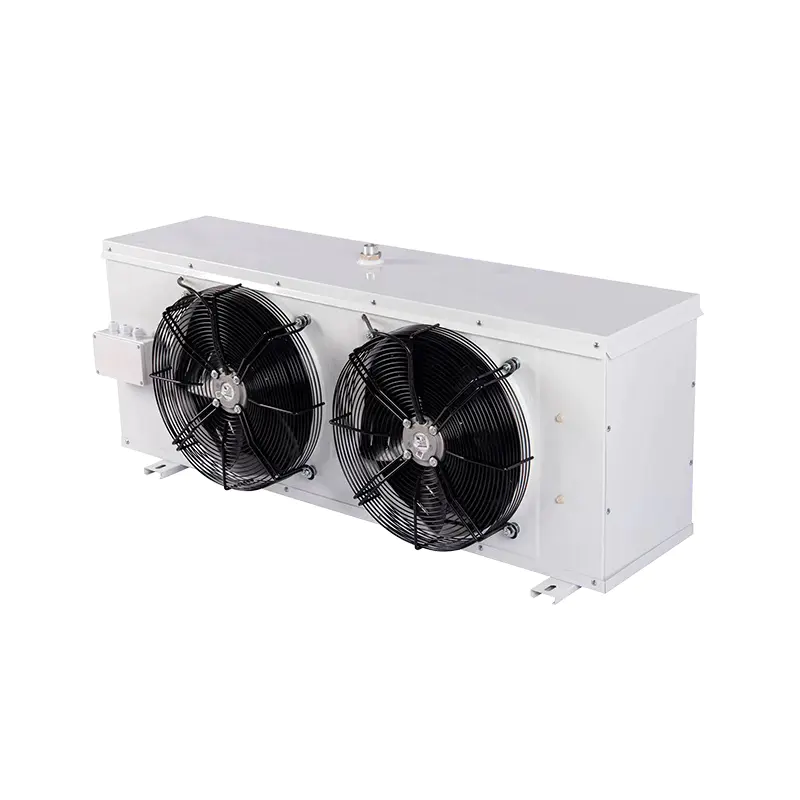 DJ Type Low-Temperature Evaporators for Quick-FreezingSuited to quick-freezing below -25°C, this evaporator is presented for meat, seafood, pharmaceutical, and chemical low-temperature storage where defrost and duty matching matter.View Product →
For a freezer or chill room, ask for the design heat load, evaporating temperature, ambient condition, and defrost method. The right low-temperature evaporator should match the room’s duty, air throw, and defrost cycle, not just the physical dimensions. This is also where a manufacturer-supplied equipment package can help: the compressor, condenser, evaporator, expansion valve, and controls should be selected as a system.
Retrofit projects carry different installation risks
An existing building can save civil works, but it often adds constraints. Roof load, plant-room space, heat rejection, noise limits, and power capacity may force a different condenser arrangement. If the condenser has to sit in a tight yard or work in dusty air, the installation plan needs service clearance and cleaning access, not just a capacity figure.
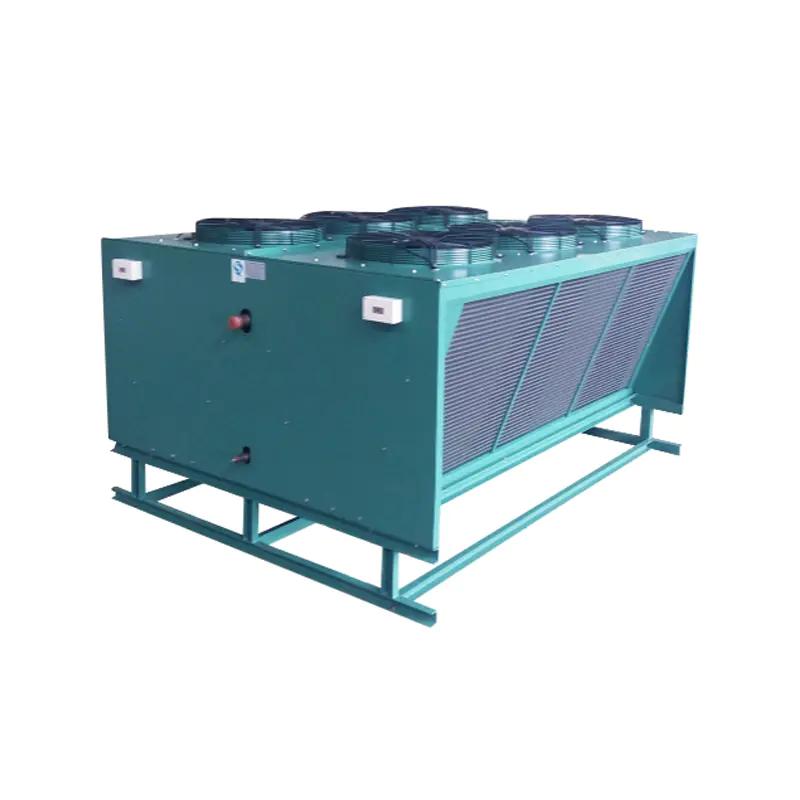
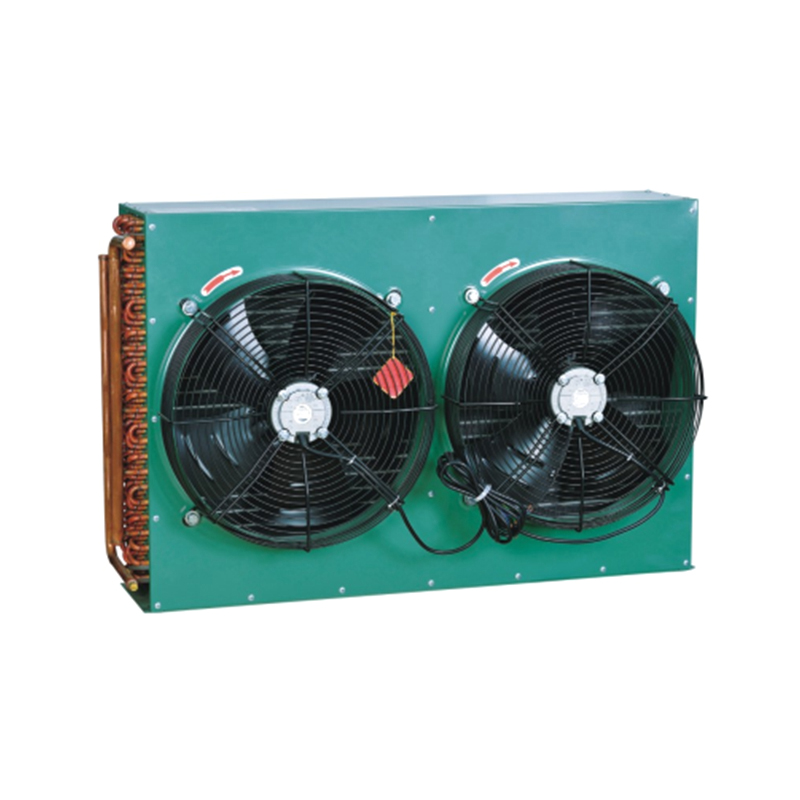 H Type Air-Cooled Condensers with Plate-Type Side OutletFor constrained plant rooms or dusty air, this H type uses staggered coils and mechanically expanded copper tubes to support heat exchange.View Product →
Commissioning is another budget line that should never be vague. Pressure testing, evacuation, refrigerant charging, control settings, door alignment, and a temperature pull-down test take time. A useful reference for the risks that show up after handover is this refrigeration system fault analysis and solution guide. A cheap installation that leaves faults for the first hot week is not cheap.
How to compare cold room installation quotes
Put every bid into the same scope sheet before you compare totals. The lowest number is only meaningful when the exclusions are identical. Use this checklist:
- Confirm the design room temperature, ambient condition, product load, and daily door openings.
- Check panel thickness, floor insulation, door type, and whether drainage and penetrations are included.
- Require equipment model numbers, capacity, refrigerant, electrical data, and control sequence.
- Clarify who supplies and installs cabling, isolators, drain lines, plinths, and fire stopping.
- Include commissioning, temperature pull-down, operator training, warranty, and spare-parts terms.
A slightly higher quote with a complete heat-load calculation and clear site responsibilities often costs less than a low quote with three “to be confirmed” items.
Frequently asked questions
Does cold room installation cost include the panels and refrigeration?
It should, if the quote is turnkey. Many equipment quotes exclude freight, installation labor, electrical connection, drainage, and commissioning. Ask for a written inclusion list.
Why is a freezer more expensive than a cooler?
Lower temperature means thicker insulation, different evaporator selection, defrost, heated door frames, and often more robust controls. The equipment may work harder, and installation tolerances are tighter.
How long does installation take?
A small room in a prepared space may take a few days; a larger or retrofit room can take several weeks. Site access, power readiness, and commissioning often affect the schedule more than panel erection.
Can I reduce cost by doing site work myself?
Yes, but only if the scope is clearly divided. Electrical work, drainage, floor repair, and safe access are common places where do-it-yourself savings disappear into rework or delay.
The most useful budget is not a single price per square meter. It is a scope-based estimate that separates equipment, enclosure, labor, electrical, commissioning, and contingency. Once those buckets are visible, cold room installation cost becomes a set of decisions you can control rather than a number you have to accept.