 English
 русский
 Tiếng Việt
Content
- 1 Compressor Accessories: The Power Heart of the Refrigeration System
- 2 Heat Exchange System Accessories: Key Support for Efficiency and Reliability
- 3 Throttling and Control Accessories: The Unsung Heroes of Precise Regulation
- 4 Piping Connection and Sealing Accessories: The Often-Overlooked Lifeline of the System
- 5 Electrical Control and Protection Accessories: The Final Line of Defense for Safe Operation
- 6 Accessory Maintenance Strategy: Prevention Outperforms Repair
- 7 Conclusion: Viewing Accessory Value Through Systems Thinking
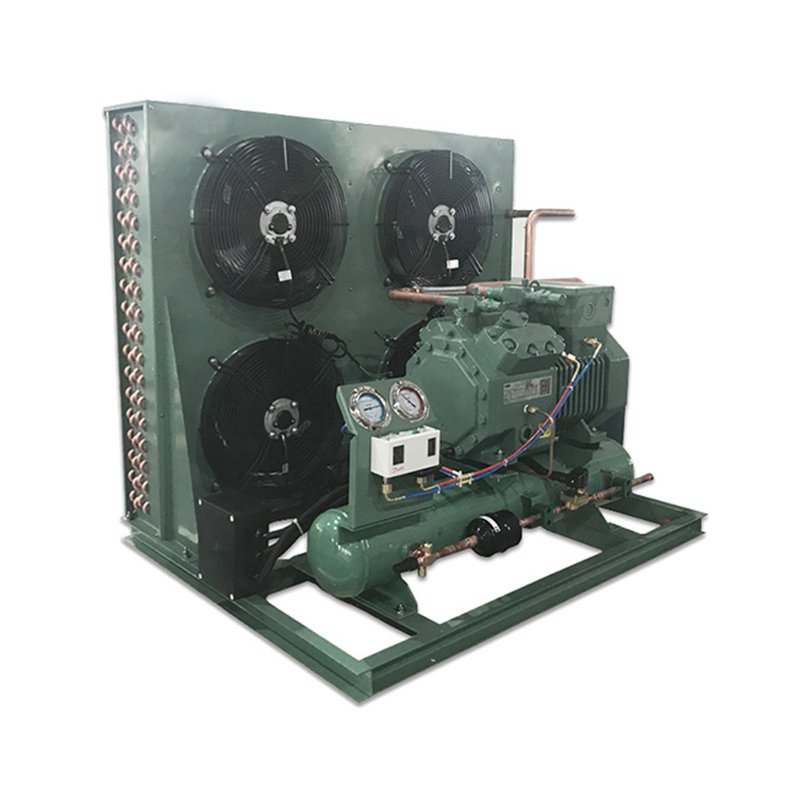
Refrigeration equipment accessories are not secondary components—they are core elements that determine overall system performance. Using substandard accessories can increase system energy consumption by 15% to 30%, raise failure rates by 2 to 3 times, and shorten equipment lifespan by over 40%. Therefore, investing sufficient professional attention in accessory selection, installation, and maintenance is the fundamental guarantee for achieving efficient, stable, and long-lasting operation of refrigeration systems.
Compressor Accessories: The Power Heart of the Refrigeration System
As the power source of the refrigeration cycle, the reliability of compressor accessories directly impacts cooling efficiency and operational safety.
Key Accessory Types and Functions
- Crankcase heater: Prevents refrigerant migration to the compressor during shutdown, avoiding liquid slugging at startup
- Mufflers and vibration dampers: Reduce operating noise and minimize mechanical vibration fatigue damage to piping
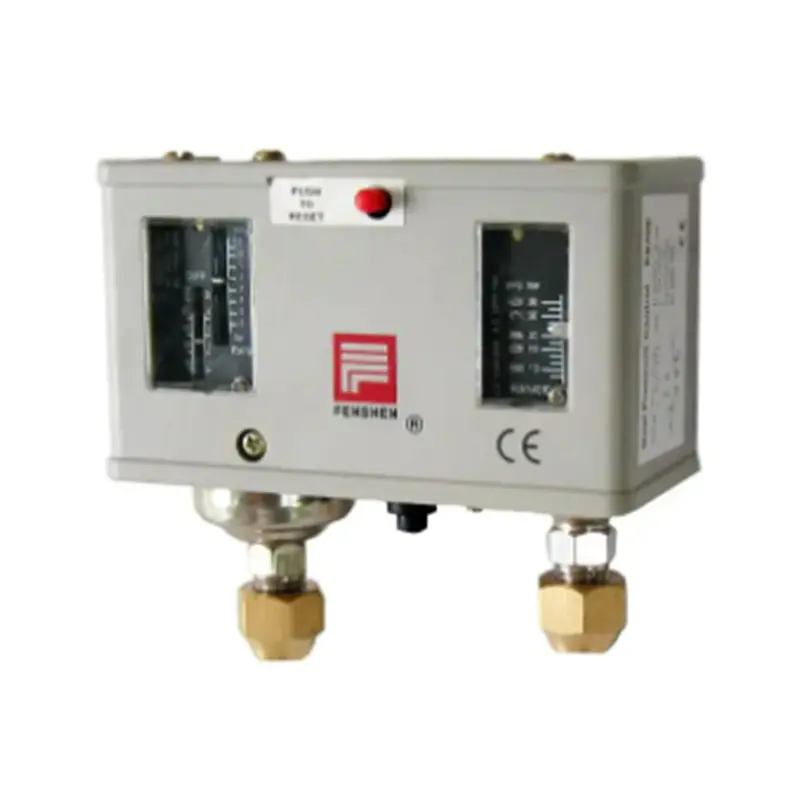
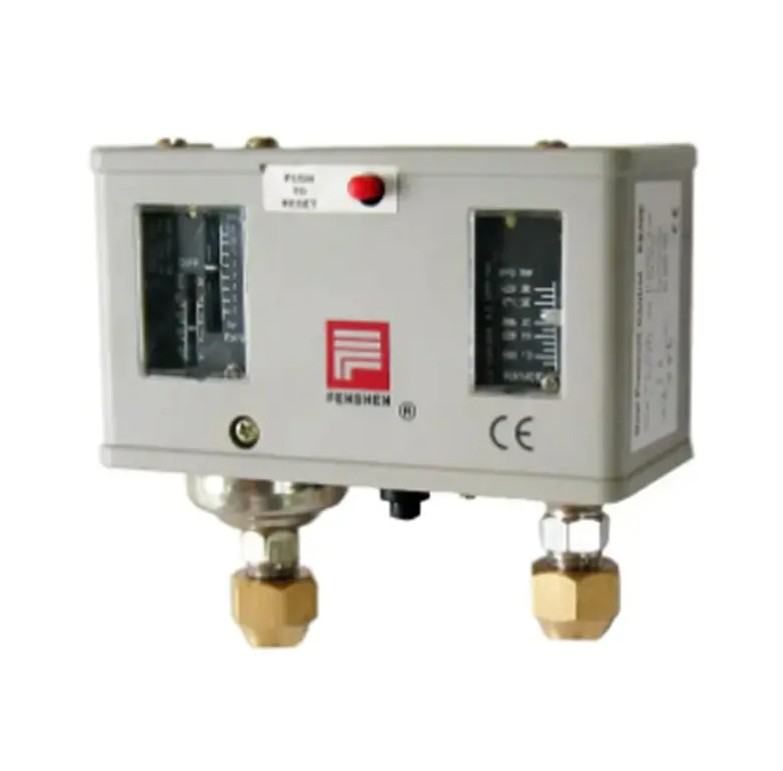
- High/low pressure protection switches: Automatically cut off power when pressure is abnormal, preventing compressor damage
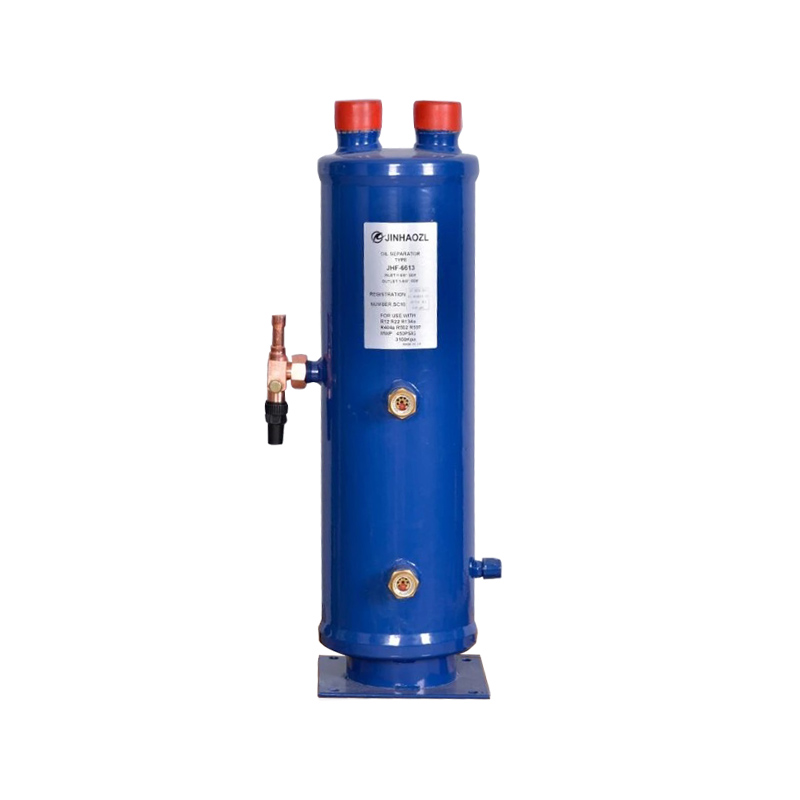
- Oil sight glass and oil filter: Monitor lubricant status in real time, ensuring cleanliness of the lubrication system
Selection Criteria and Data Reference
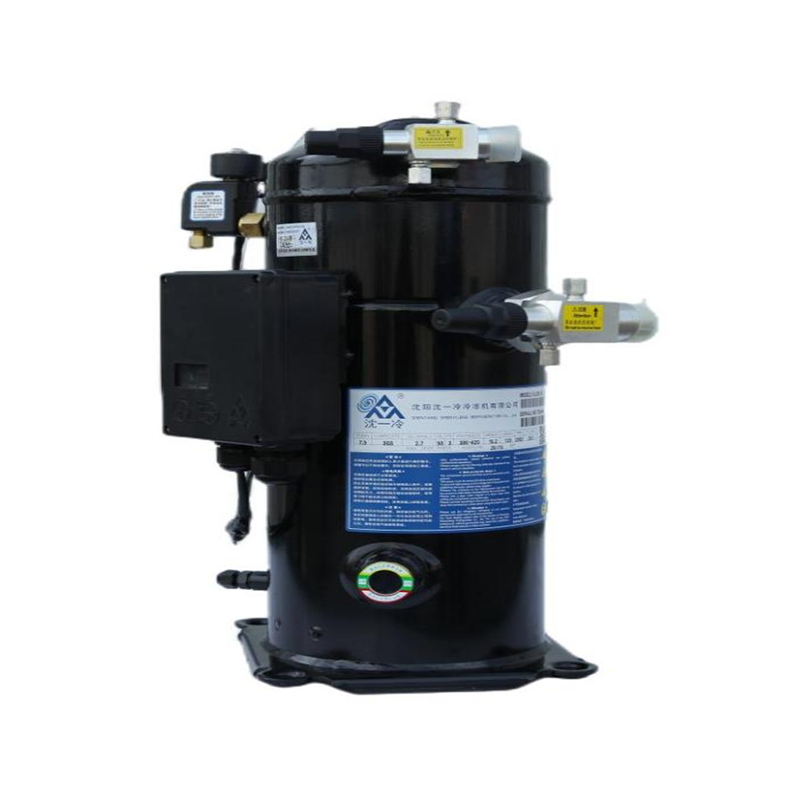
Taking hermetic scroll compressors as an example, the hardness of matching vibration dampers should be controlled within Shore A 50 to 70 degrees, with compression set rate below 15%. If vibration dampers age and fail, compressor vibration amplitude can increase by 3 to 5 times, significantly raising the probability of pipeline weld cracking.
The action accuracy of high/low pressure protection switches should reach ±0.02 MPa, with response time not exceeding 0.5 seconds. Inferior protection switches may have errors of ±0.1 MPa, failing to intervene promptly when pressure anomalies begin, easily causing compressor burnout.
Heat Exchange System Accessories: Key Support for Efficiency and Reliability
Accessories for condensers and evaporators have a decisive impact on heat transfer efficiency, corrosion resistance, and system cleanliness.
Core Condenser Accessories
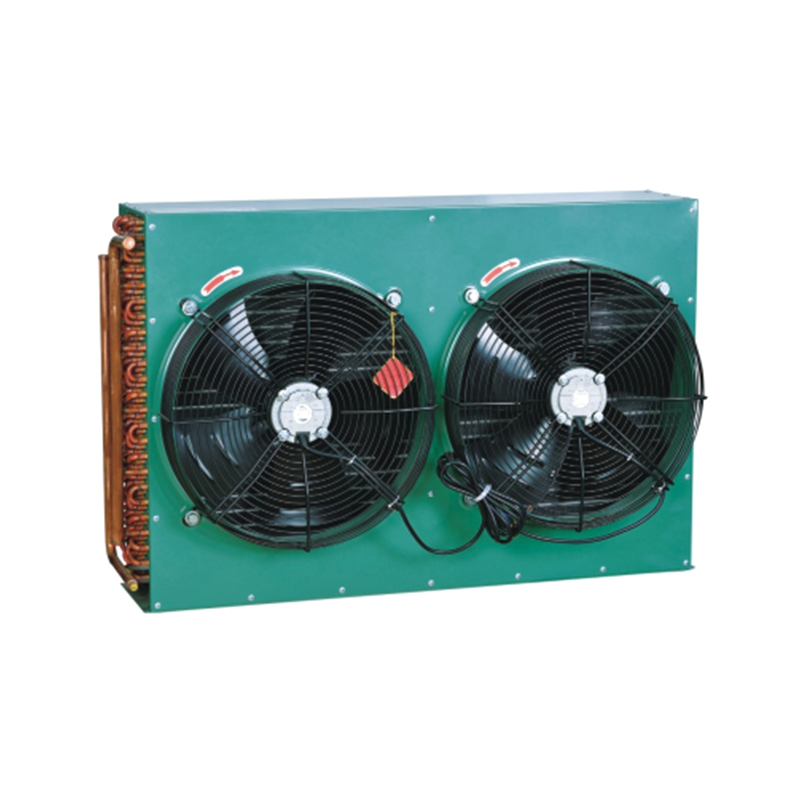
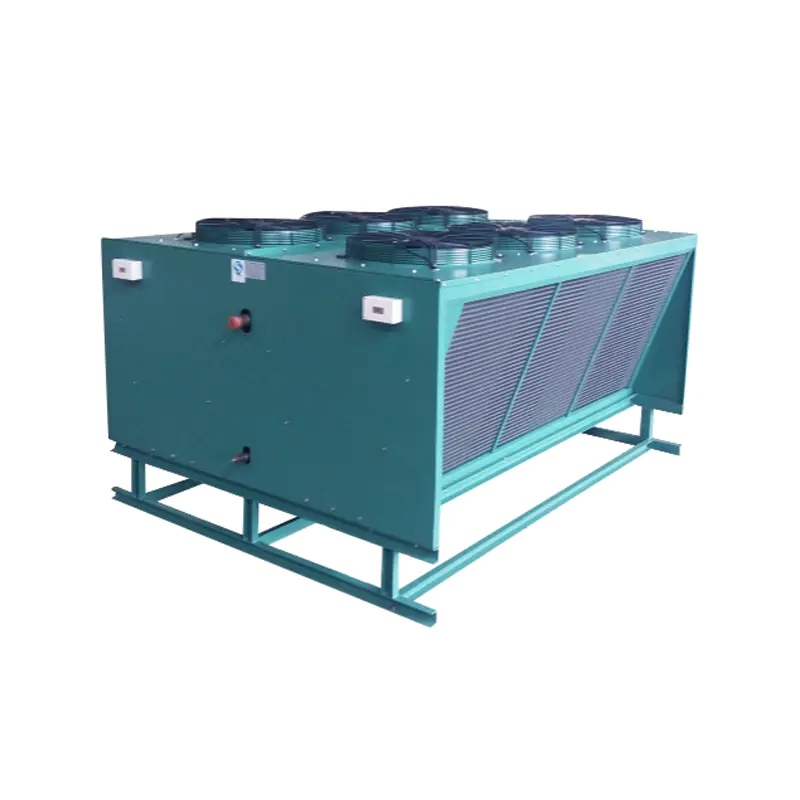
The condenser fan is the core accessory of air-cooled condensers, and its airflow and static pressure must match the condenser design. For common fin-type condensers, every 1kW of heat rejection typically requires 180 to 250 m³/h of airflow. If fan airflow is insufficient by 20%, condensing temperature will rise by 5 to 8℃, and system power consumption will increase by 12% to 18% accordingly.
Fin protective coatings (such as hydrophilic aluminum foil and anti-corrosion coatings) can extend condenser lifespan by 30% to 50%. In coastal high-salt environments, unprotected aluminum fins may develop severe corrosion perforation within 2 to 3 years, while coated fins can last 8 to 10 years.
Key Evaporator Accessories
The selection of evaporator defrost accessories directly affects the operating efficiency of low-temperature equipment. Electric defrost and hot gas defrost are two mainstream methods:
| Comparison Item | Electric Defrost | Hot Gas Defrost |
|---|---|---|
| Defrost Time | 15 to 25 minutes | 8 to 15 minutes |
| Energy Consumption Increase | Higher (additional electricity) | Lower (utilizes compressor heat) |
| Room Temperature Fluctuation | Larger (up to 5 to 8℃) | Smaller (typically 2 to 4℃) |
| Applicable Scenarios | Small cold rooms, display cases | Medium to large cold rooms, industrial refrigeration |
Throttling and Control Accessories: The Unsung Heroes of Precise Regulation
Expansion valves, solenoid valves, and various controllers are the nerve center that enables refrigeration systems to achieve precise regulation and energy-efficient operation.
Expansion Valve Selection and Superheat Control
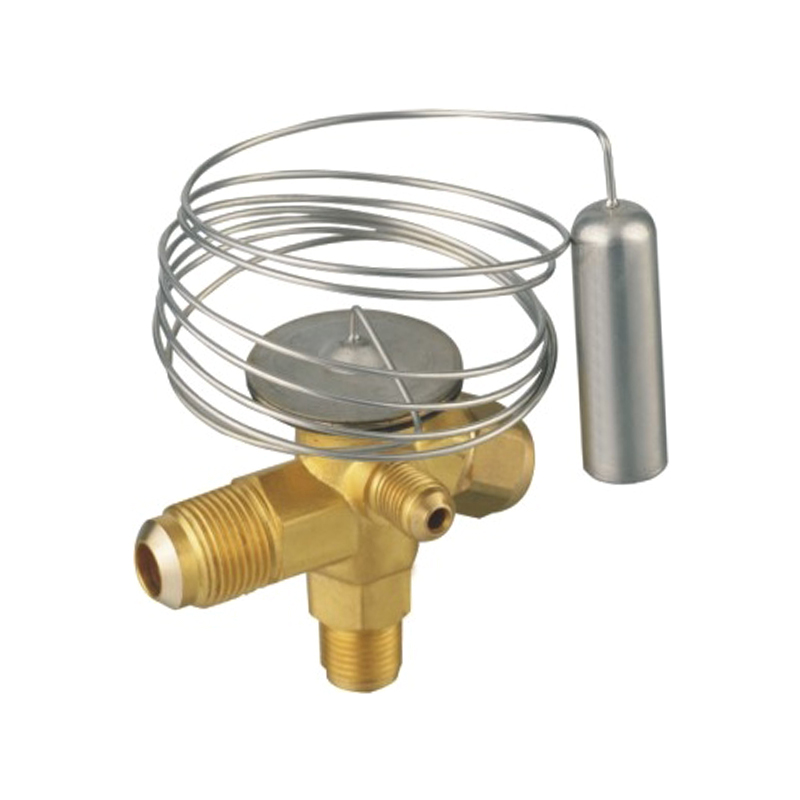
Thermostatic expansion valve selection must comprehensively consider refrigerant type, evaporating temperature range, and system cooling capacity. The superheat setting is typically 3 to 6K (air conditioning conditions) or 5 to 8K (low-temperature conditions). For every 1K increase in superheat deviation, the system coefficient of performance (COP) may decrease by 2% to 4%.
Electronic expansion valves (EEV) compared to traditional thermostatic expansion valves can improve superheat control accuracy to ±0.5K, achieving 10% to 20% energy savings in variable frequency systems. However, their matching controllers and sensors cost more, making them more suitable for medium to large commercial or industrial systems.
Coordinated Function of Solenoid Valves and Filter Driers
The installation position and selection of solenoid valves directly impact system safety:
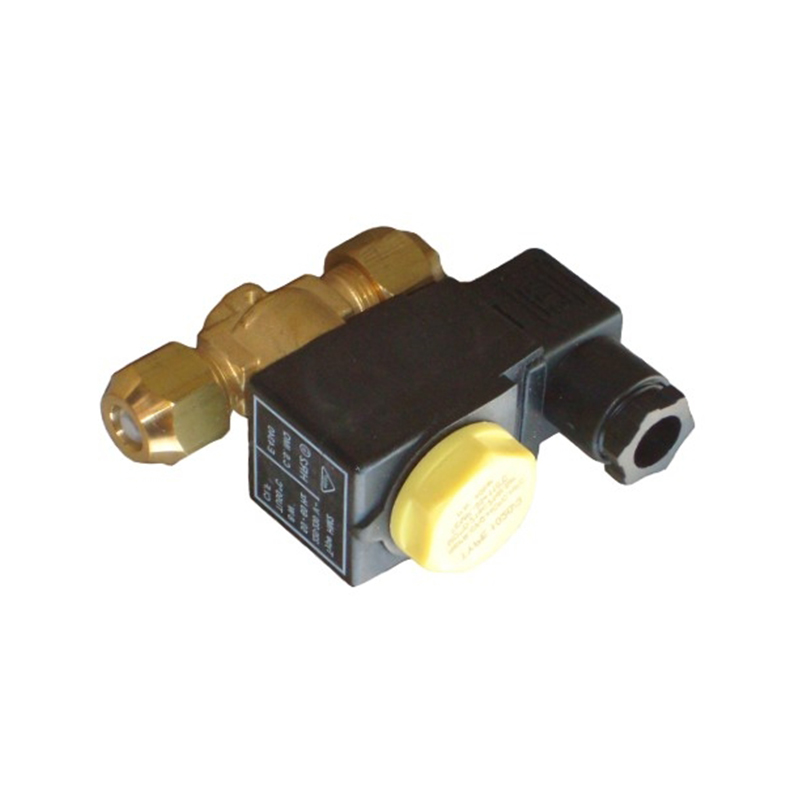
- Liquid line solenoid valve: Cuts off liquid refrigerant flow to the evaporator during shutdown, preventing liquid slugging, with response time less than 1 second
- Bypass solenoid valve: Used for hot gas defrost or capacity regulation, requiring mechanical life of over 1 million cycles
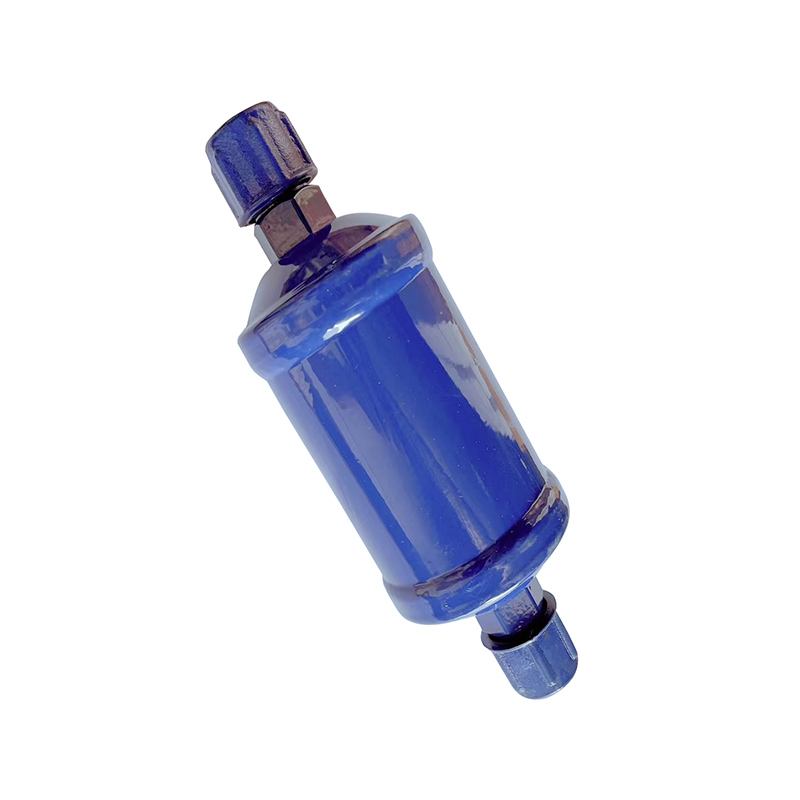
- Filter drier: Filtration precision should reach 20 to 40 microns, with water absorption capacity matching system charge, typically 3 to 5g of molecular sieve per 1kg of refrigerant
When filter drier pressure drop exceeds 0.05 MPa, it should be replaced promptly. Otherwise, it not only increases energy consumption but may also cause increased flash gas before throttling, reducing cooling capacity by 5% to 10%.
Piping Connection and Sealing Accessories: The Often-Overlooked Lifeline of the System
Copper tubes, fittings, valves, and sealing materials are the blood vessels and joints of the refrigeration system. Their quality and installation workmanship directly determine system sealing integrity and reliability.
Copper Tube Material and Wall Thickness Selection
Refrigeration systems should use phosphorus-deoxidized seamless copper tubes (TP2 or C12200), with phosphorus content controlled at 0.015% to 0.040%, effectively inhibiting hydrogen embrittlement during high-temperature welding. Copper tube wall thickness should be determined based on working pressure and tube diameter:
| Outer Diameter (mm) | Recommended Wall Thickness (mm) | Maximum Working Pressure (MPa) | Typical Application |
|---|---|---|---|
| 6.35 | 0.8 | 4.2 | Residential AC liquid line |
| 9.52 | 0.8 | 3.5 | Commercial AC suction line |
| 12.7 | 1.0 | 3.8 | Small to medium cold rooms |
| 19.05 | 1.2 | 3.2 | Large industrial systems |
Welding Process and Sealing Materials
Copper tube welding should use silver-based or phosphorus-copper brazing filler metal, with weld penetration depth reaching over 80% of tube wall thickness. After welding, nitrogen purge and pressure leak testing are required. Test pressure should be 1.15 to 1.25 times the design working pressure, with hold time not less than 24 hours and pressure drop not exceeding 0.02 MPa.
Sealing gaskets should use specialized materials resistant to refrigerants and low temperatures. Ordinary rubber gaskets harden and become brittle in low-temperature environments, leading to leaks. Specialized refrigeration sealing gaskets maintain good elasticity and sealing performance even at -40℃.
Electrical Control and Protection Accessories: The Final Line of Defense for Safe Operation
The quality and configuration rationality of electrical accessories are key to preventing equipment damage and ensuring personnel safety.
Temperature Controller and Sensor Accuracy Requirements
Temperature controller accuracy should reach ±0.5℃ (precision cold rooms require ±0.2℃). NTC temperature sensors typically have B values of 3435K to 3950K, with resistance of approximately 10kΩ at 25℃. Sensor installation should avoid direct exposure to cold or hot air streams; otherwise, measurement errors can reach 3 to 5℃, causing frequent compressor cycling, increased wear, and higher energy consumption.
Overload and Leakage Protection Configuration
Compressor thermal overload protection should be set at 110% to 125% of rated current. For three-phase compressors, phase loss and phase sequence protectors are also required to prevent motor burnout due to power anomalies. Residual current devices should have a rated tripping current not exceeding 30mA and tripping time less than 0.1 seconds—this is the basic requirement for ensuring personal safety.
Contactor contacts should have a current rating with 20% to 30% margin to handle inrush current. Inferior contactor contacts may burn and weld shut within 1 to 2 years under frequent cycling conditions, causing severe failures where the compressor cannot stop or start.
Accessory Maintenance Strategy: Prevention Outperforms Repair
Establishing a scientific accessory maintenance system can reduce unplanned downtime by over 70% and lower maintenance costs by 40% to 60%.
Regular Inspection Checklist and Schedule
- Monthly inspection: Fan operating status, filter pressure drop, electrical connection tightness
- Quarterly inspection: Expansion valve superheat, solenoid valve action sensitivity, vibration damper aging
- Semi-annual inspection: Filter drier moisture content, pressure switch calibration, sensor accuracy comparison
- Annual inspection: Pipeline weld corrosion, insulation resistance testing, protection device function verification
Accessory Replacement Decision Criteria
Accessory replacement should not wait until complete failure but should be proactively addressed based on performance degradation trends. The following are recommended replacement thresholds for key accessories:
| Accessory Name | Replacement Trigger Condition | Recommended Maximum Service Life |
|---|---|---|
| Filter Drier | Pressure drop exceeds 0.05 MPa or moisture content exceeds standard | 2 to 3 years |
| Vibration Dampers | Compression deformation exceeds 30% of original thickness | 3 to 5 years |
| Contactors | Contact erosion area exceeds 20% | 5 to 8 years |
| Fan Motor Bearings | Abnormal operating noise or excessive vibration | 5 to 7 years |
| Sealing Gaskets | Hardening, cracking, or leakage signs appear | Replace during each disassembly inspection |
Inventory Management and Emergency Response
For critical equipment, it is recommended to stock core wear-prone accessories, including: compressor protection switches, filter driers, solenoid valve coils, fan capacitors, and commonly used sealing materials. Reasonable safety stock can reduce repair time from 3 to 7 days to a few hours. This is especially important for food cold chains and pharmaceutical cold rooms, where downtime losses far exceed the value of the accessories themselves.
Conclusion: Viewing Accessory Value Through Systems Thinking
The selection and maintenance of refrigeration equipment accessories is essentially an optimization of total lifecycle system costs. Initial investment in quality accessories can yield returns of 3 to 5 times through reduced energy consumption, fewer failures, and extended lifespan. Neglecting accessory quality and maintenance may appear to save short-term costs, but it actually plants long-term hidden risks of high energy consumption, frequent failures, and shortened equipment life. Only by integrating accessories into overall system planning and establishing a complete management system from selection and installation to maintenance can refrigeration equipment truly achieve efficient, reliable, and economical operation.