 English
 русский
 Tiếng Việt
Content
Condensing Unit Installation Environment Requirements
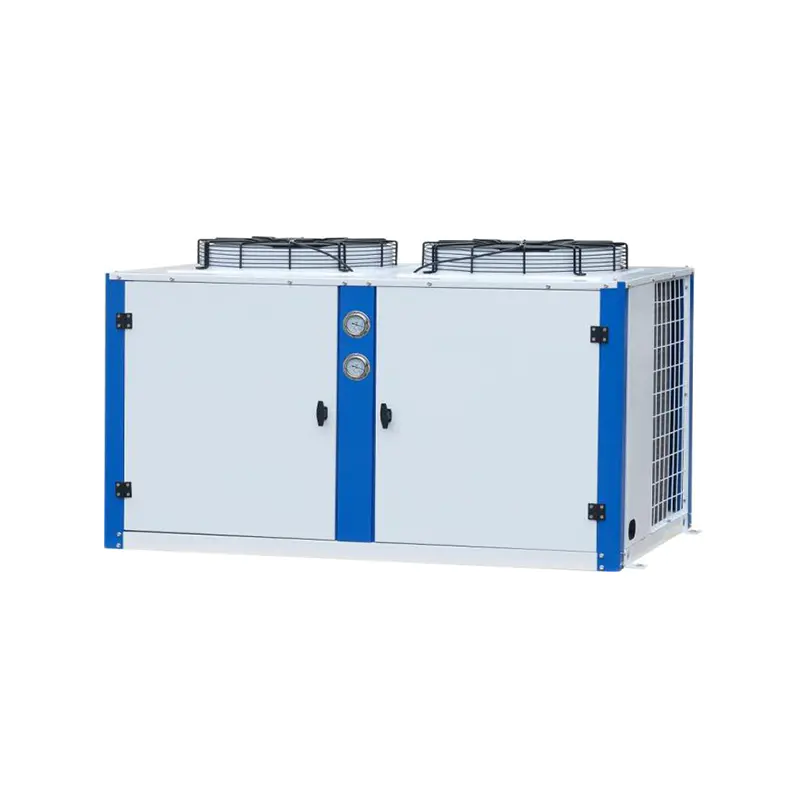
When installing a condensing unit, professional specifications and standards must be strictly followed to ensure the safe operation and long-term stability of the equipment. The following are key installation environment requirements based on professional advice and industry standards from Zhejiang Brozer Refrigeration Technology Co., Ltd.:
1. Site and Foundation Requirements
Stable Installation Foundation: The condensing unit must be installed on a concrete foundation that has reached its cured strength and has a smooth surface. The installation location should strictly conform to design requirements, including dimensions, elevation, and pre-drilled holes. The foundation base must be flat, and precise leveling and alignment should be performed after the unit is in place to prevent abnormal vibration or noise during operation.
Vibration Isolation and Damping: For large or high-power units, vibration dampers should be installed on the foundation base. The compression of the vibration dampers must be uniform to effectively absorb vibrations generated during operation and prevent vibrations from being transmitted to the building structure, affecting the equipment's lifespan.
2. Environmental Ventilation and Protection
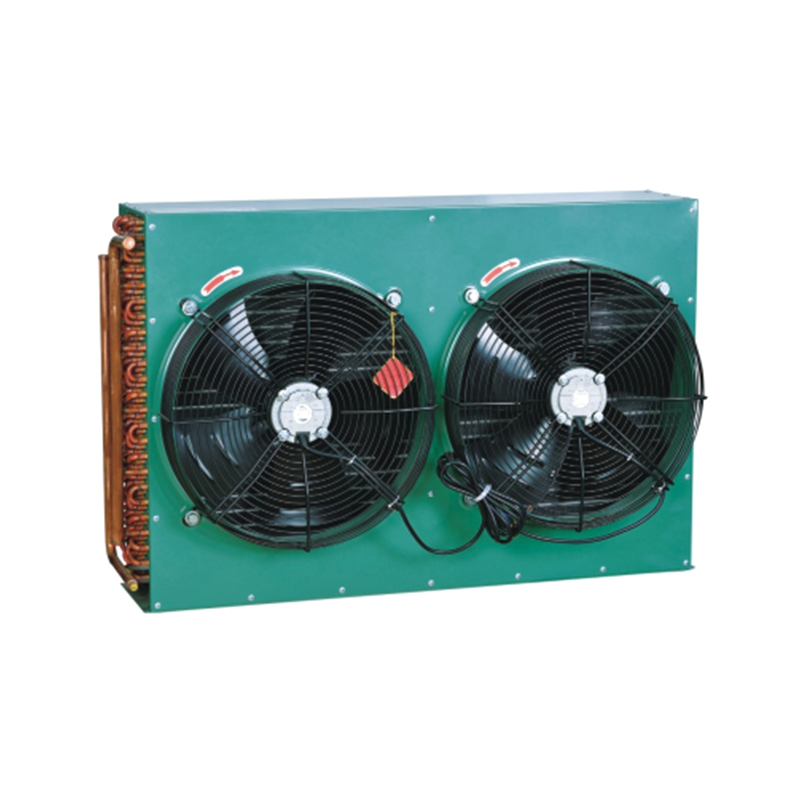
Good Ventilation: Whether air-cooled or water-cooled, the unit must be installed in a well-ventilated environment. The condenser's intake air temperature sensor is usually installed below the condenser or inside the column base, ensuring that the intake air is naturally flowing rather than stagnant hot air.
Dust and Water Protection: Avoid piling up debris around the unit, especially in environments with flammable, explosive, or corrosive gases. For water-cooled units, consider preventing condensate backflow, ensuring unobstructed condensate drainage without interfering with the normal life or work of others.
3. Electrical and Safety Distances
Professional Wiring and Grounding: Installation must be performed by specially trained professionals. All electrical wiring should comply with national standards, ensuring good grounding protection to prevent safety accidents caused by leakage or misoperation.
Maintaining Safe Distances: Outdoor units should be installed according to distance regulations, avoiding excessive proximity to adjacent doors, windows, or greenery. Generally, the distance between high-power air conditioning units and adjacent doors and windows should be at least 4 meters to reduce noise and vibration interference.
4. Piping and Fittings Installation
Pipe Slope and Return Bends: Clean, water-free copper pipes must be used for all system pipe connections. Condensate drain pipes must have a slope (no less than 1%) and be secured approximately every 1.5 meters to prevent excessive pipe length from causing aging or blockage.
Valves and Sensors: Electric or manual valves (such as butterfly valves) must be installed on the piping system to shut off fluid flow during maintenance. Sensors (such as pressure gauges and thermometers) should be installed on the inlet and outlet pipes of the receiver condenser and evaporator, and a check valve should be installed at the condenser outlet to prevent backflow.