 English
 русский
 Tiếng Việt
Content
- 1 The five fault groups at a glance
- 2 Weak cooling: low charge, a lazy expansion valve, or a restriction
- 3 Condenser problems: fouling, water temperature, and approach
- 4 Pressure alarms: read them before you reset them
- 5 Water flow and circulation faults
- 6 Noise, vibration, and electrical faults
- 7 A maintenance routine that prevents repeat calls
- 8 Frequently asked questions
A cold storage operator calls at six in the morning: the chiller is running, the pump is running, but the chilled water supply sits at 9 °C instead of the 6.5 °C setpoint, and the high-pressure alarm tripped twice overnight. In the calls we have worked through over more than 20 years of refrigeration manufacturing, the cause almost always sits in one of five places: heat rejection at the condenser, water flow through the evaporator, refrigerant charge, electrical control, or the compressor itself.
Check them in a fixed order, because a water chiller is three coupled circuits — refrigerant, water, and control — and a fault in one always changes a reading in another. This sequence usually narrows the problem to one component within half an hour:
- Compare suction and discharge pressure with the design values for the actual water temperatures.
- Work out condenser approach: condensing temperature minus leaving condenser water temperature.
- Measure chilled water delta T across the evaporator at full load.
- Read superheat at the evaporator outlet and subcooling at the condenser outlet.
- Check voltage, current, and contactor condition on all three phases.
The five fault groups at a glance
The table pairs the symptoms that generate most service calls with the cause usually behind them and the first measurement worth taking. Treat it as a checklist rather than a diagnosis — the nameplate and commissioning data define what normal means for your machine.
| Symptom | Usual cause | First measurement |
|---|---|---|
| Chilled water too warm, no alarm | Dirty condenser or undercharge | Condenser approach above 5 K; bubbles in the sight glass |
| High discharge pressure trip | Fouled tubes, non-condensables, high entering water temperature | Condensing temperature against design; entering condenser water temperature |
| Low suction pressure trip | Restricted drier or valve, leak, low water flow | Superheat above 10 K; pressure drop across the drier |
| Pump runs but the flow switch trips | Air lock, closed valve, blocked strainer | Pump differential pressure; strainer condition |
| Loud noise or heavy vibration | Liquid slugging, loose mounts, worn bearings | Oil level and oil pressure; noise at the compressor |
| Short cycling on and off | Load far below capacity, flow fault, wrong setpoint | Chilled water delta T; run time per cycle |
Weak cooling: low charge, a lazy expansion valve, or a restriction
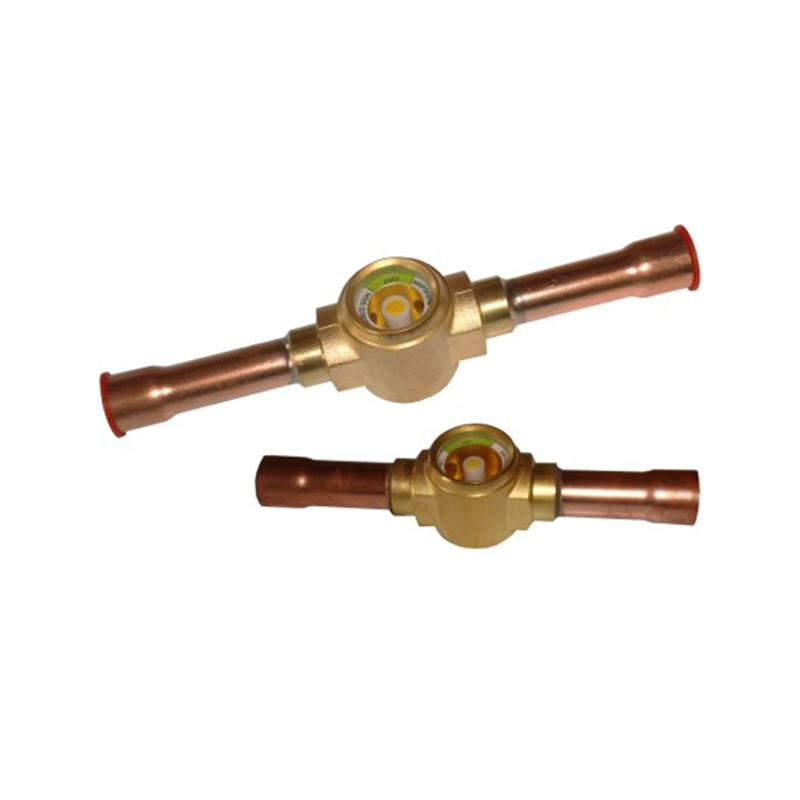
Bubbles in the sight glass, low subcooling, and high superheat point to undercharge — but a chiller does not lose refrigerant by itself. Treat the charge as a symptom and look for the leak at flare joints, Schrader ports, and the shaft seal.
The second pattern is an expansion valve that has lost its setting. At full load, superheat at the evaporator outlet should sit between 5 K and 8 K. A valve stuck open gives low superheat and a real risk of liquid floodback to the compressor; a valve stuck closed or partly clogged gives high superheat, low suction pressure, and poor capacity. Before condemning it, check that the sensing bulb is clamped tightly to a clean, horizontal section of suction line.
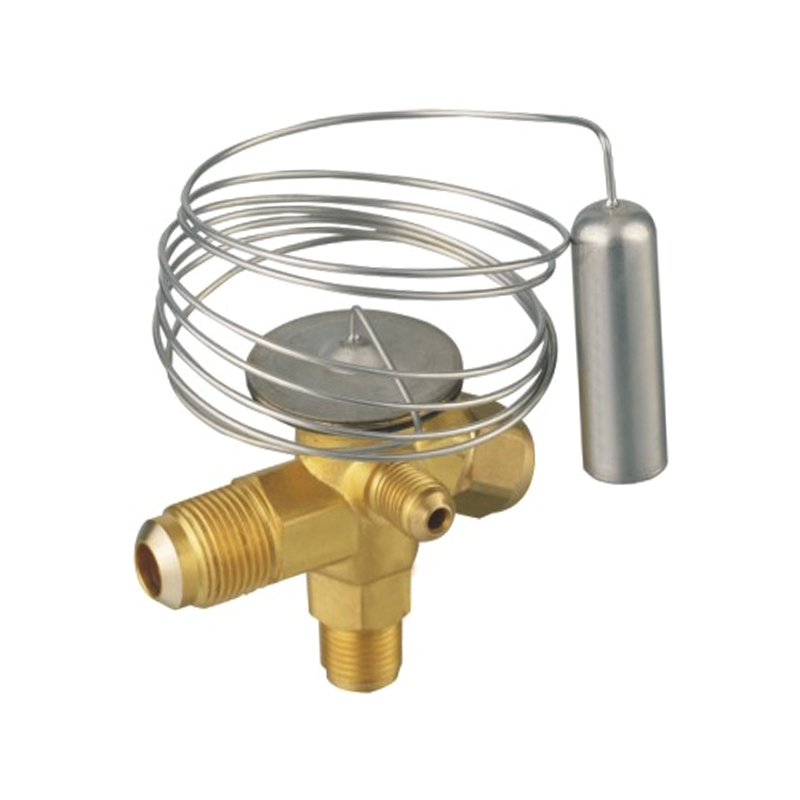 Expansion Valve for Refrigeration System Flow ControlRefrigeration accessory that throttles refrigerant, regulates flow, and helps protect the compressor; useful when diagnosing superheat, floodback, or restriction symptoms.View Product →
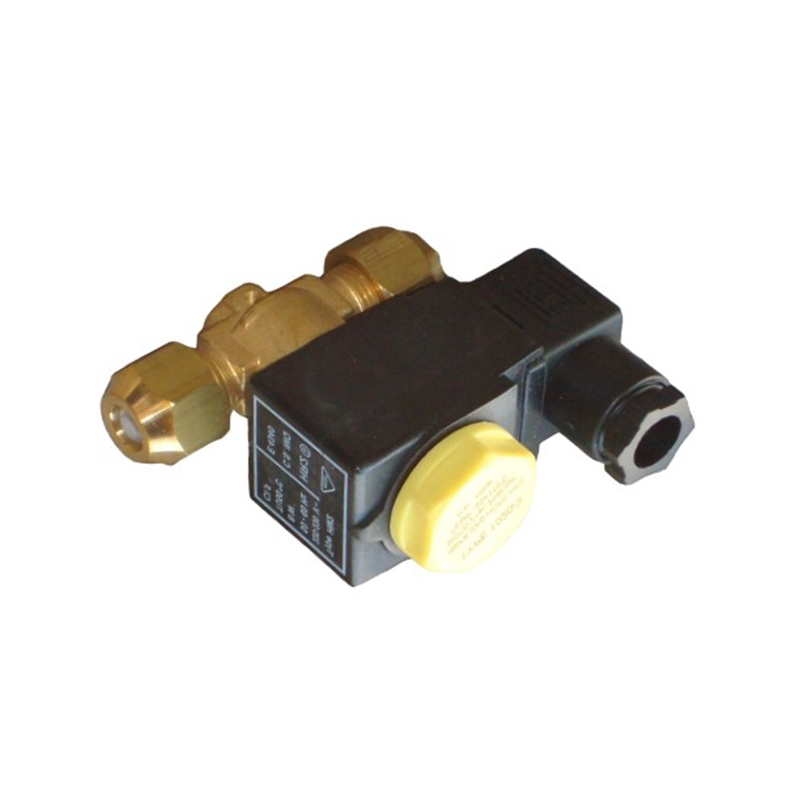
The third pattern is a restriction. A pressure drop above 0.5 bar across the filter drier, or a temperature step across a solenoid valve or strainer, starves the evaporator without any refrigerant being lost. Clean-up after a compressor burnout is a common source of exactly this problem.
Condenser problems: fouling, water temperature, and approach
On a water-cooled chiller, the condenser is where efficiency quietly disappears. A clean shell-and-tube condenser normally runs with an approach of 1 K to 2 K. Once that figure climbs above 4 K, scale or biofilm has built up on the tubes, and every extra degree of condensing temperature costs compressor power for the same cooling output.
Entering condenser water temperature is the other half of the story. If a cooling tower or dry cooler delivers water several degrees above design, the chiller cannot reach rated capacity no matter how well it is charged. Check fans, fill condition, bypass valves, and water treatment records before touching the refrigerant circuit.
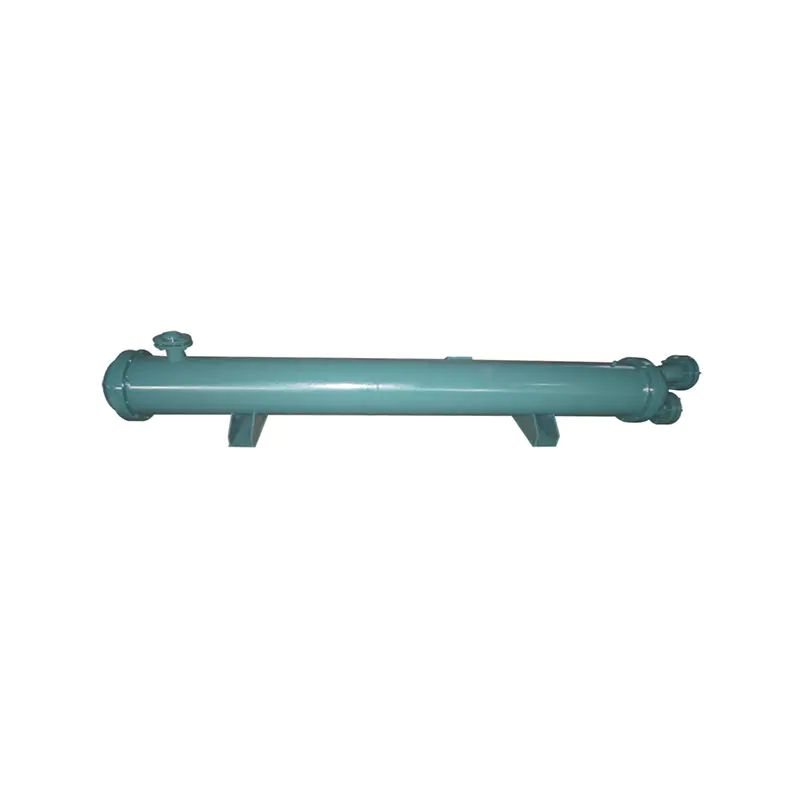 Shell and Tube Water-Cooled CondenserWater-cooled condenser that passes cooling water through tubes while refrigerant condenses between them, relevant when condenser water temperature affects chiller capacity.View Product →
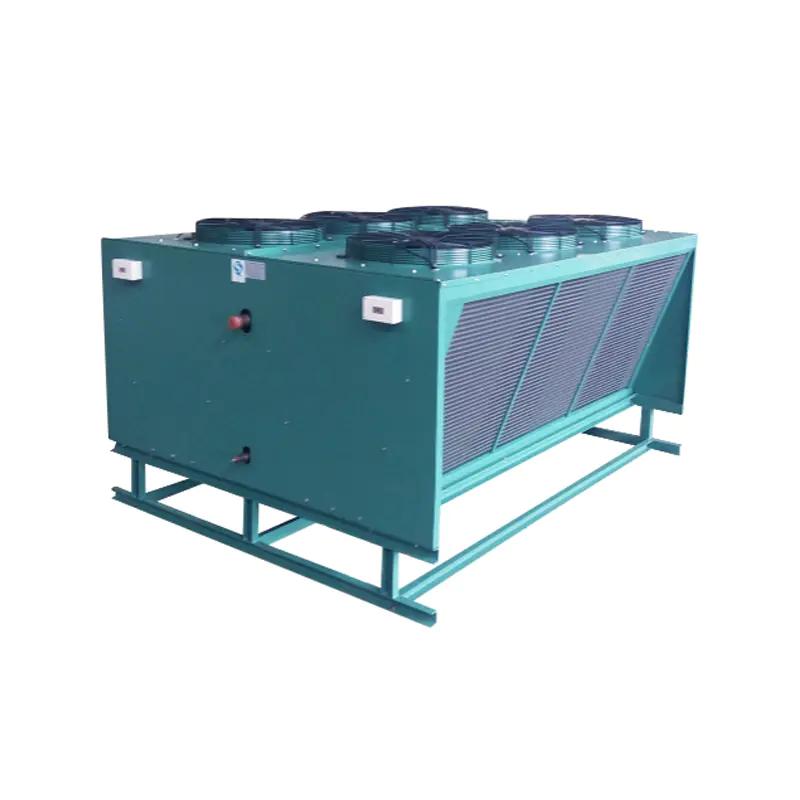
Air-cooled units fail from the outside in: blocked fins, hot air recirculating between machines, and coils that have never been chemically cleaned. A proper coil cleaner and a straight-fin comb restore more capacity than a charge adjustment.
Pressure alarms: read them before you reset them
High-pressure trips have a short list of honest causes: a fouled or undersized condenser, non-condensables left in after poor evacuation, overcharge, high entering water temperature, a failed fan or water regulating valve, or a drifting transducer. Resetting the alarm without identifying which one applies buys a few hours and often ends in a compressor change.
Low-pressure trips are more varied: undercharge or a leak, a blocked drier or expansion valve, low chilled water flow, a load far below capacity, or a sensor that has drifted. On machines using a pressure controller, verify cut-in and cut-out against design values and check the wiring before replacing the switch — loose terminals and moisture in conduit are frequent culprits.
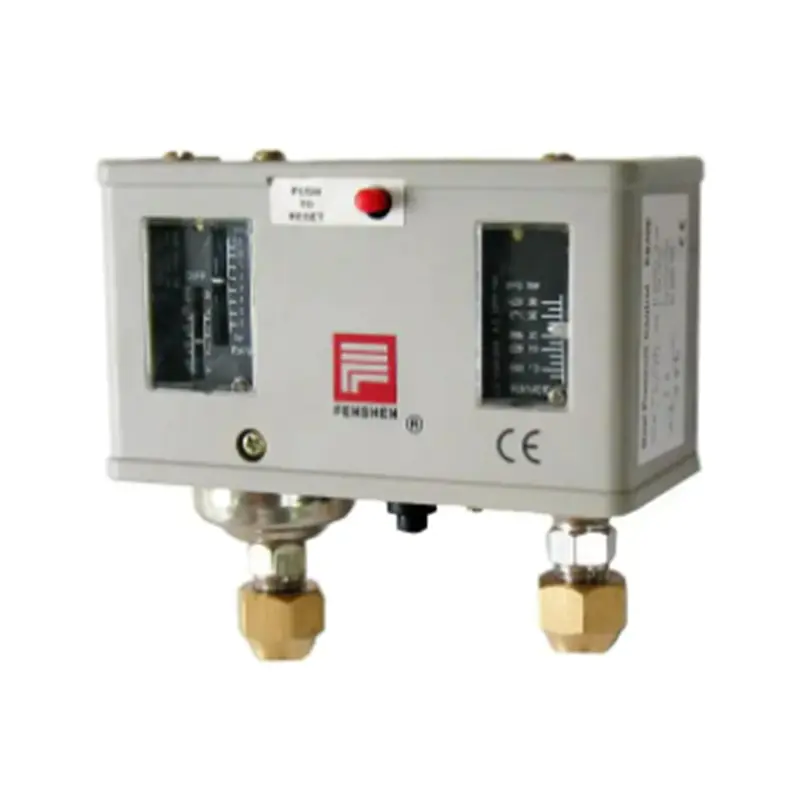 Pressure Controller for Compressor System ProtectionRefrigeration accessory that monitors and controls system pressure, useful when checking low-pressure trips, cut-in/cut-out settings, and wiring before replacement.View Product →
Water flow and circulation faults
A good share of chiller faults are hydraulic, not refrigeration faults. A flow switch that trips repeatedly, a pump working against a half-closed valve, or air trapped at a high point all reduce evaporator flow, which lowers the evaporating temperature and can freeze a flooded evaporator and split a tube.
- Confirm the strainer basket is clean and that pump differential pressure matches the pump curve.
- Vent high points and check that automatic air vents are not blocked.
- Compare chilled water delta T with design — typically 4 K to 6 K at full load. A much smaller delta T suggests excess flow or a bypassing three-way valve.
- Check glycol concentration when leaving water temperature is below 5 °C.
Noise, vibration, and electrical faults
Noise is information. A rhythmic knock at start-up usually means liquid returning to the compressor; a growl that worsens under load points to bearings or a worn compression element; a new rattle is often a loose mounting bolt, an unclamped pipe, or an unbalanced fan. Check oil level and oil pressure before assuming the worst.
On the electrical side, measure rather than guess. Keep voltage imbalance within about 2 % and current imbalance within roughly 10 %. Pitted contactor tips, discoloured terminal blocks, loose lugs, and overload relays set to the wrong value explain a surprising share of "compressor failure" calls. After any repair, confirm the overload setting matches nameplate full-load amps.
A maintenance routine that prevents repeat calls
Most emergency calls are the final step of a slow trend that nobody recorded. A fifteen-minute weekly round prevents a large part of them:
- Log condenser approach and investigate any rise of more than 1 K within a month.
- Record chilled water delta T and pump differential pressure beside it.
- Test cooling tower or dry cooler water quality and treat on schedule.
- Clean strainers and confirm flow switch operation.
- Check superheat, subcooling, oil level, and oil pressure once a season.
- Re-torque terminals, inspect contactors annually, and keep spares such as filter driers, pressure switches, and gaskets on site.
For cold rooms rather than comfort cooling, we keep a more detailed walk-through of the same logic in our cold storage refrigeration system fault analysis and solution guide.
Frequently asked questions
Why does my chiller hold temperature at night but lose it during the day?
Because the heat rejection side follows ambient temperature. Warmer air raises entering condenser water or air-on temperature, so condensing pressure rises and capacity falls. If the machine only struggles in the afternoon, check the tower, the coil, and the approach before the charge.
Can I top up refrigerant to restore capacity?
Only after finding the leak and weighing in the charge against the nameplate value. Topping up hides leaks and can return liquid to the compressor. If superheat and subcooling are in range, the charge is not the problem.
How often should condenser tubes be cleaned?
Let water quality set the schedule, not the calendar. Open towers in hard-water or dusty areas may need quarterly attention, while clean closed loops can go a year or more. When approach climbs about 2 K above the commissioning value, brush and treat.
Troubleshooting usually ends in a parts decision. Water chillers are unforgiving about mismatched components: an expansion valve with the wrong capacity index, a condenser with too little surface area, or a pressure control set outside the compressor envelope will reproduce the same fault a few weeks after the repair.
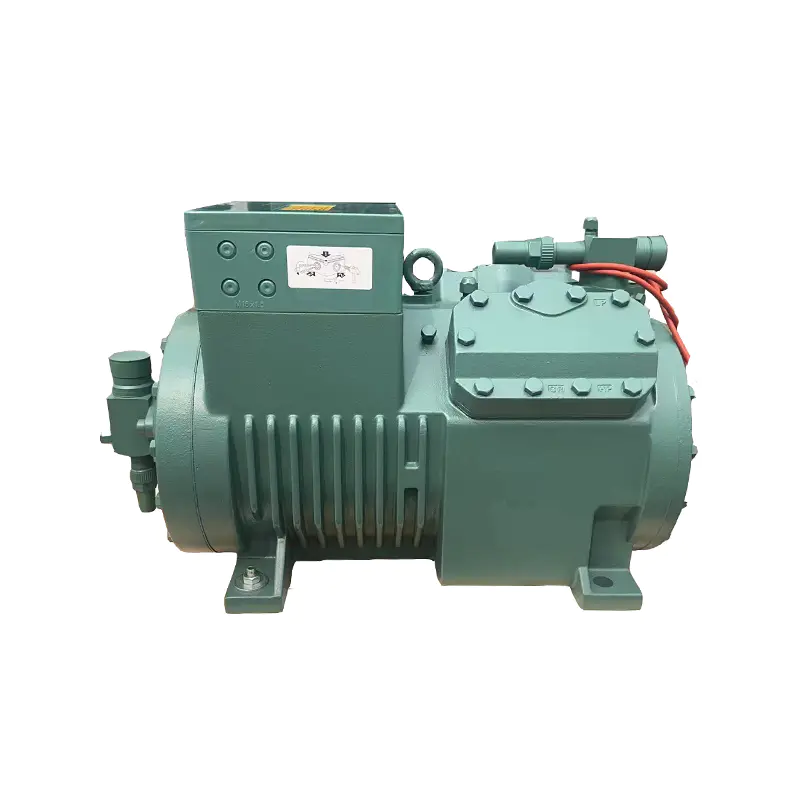
As a manufacturer based in Shengzhou, Zhejiang, we build semi-hermetic refrigeration compressors and supply condensers, condensing units, evaporators, and accessories including expansion valves, filter driers, pressure controllers, solenoid valves, sight glasses, and oil separators. They serve cold storage, refrigeration, preservation, constant-temperature workshops, industrial chillers, and non-standard process cooling, and they ship to more than 80 countries. The full range is listed on the Zhejiang Brozer Refrigeration Technology home page.
If a chiller fails again shortly after a repair, log pressures, approach temperature, and superheat for a full day and compare them with design. Those readings will tell you whether you are dealing with charge, heat rejection, or something mechanical — and that answer is what stops the second emergency call.