 English
 русский
 Tiếng Việt
When selecting a condensing unit for commercial refrigeration, you need to consider technical parameters, environmental adaptability, and supplier capabilities. Here are the key points of the selection guide:
1. Core Technical Parameters and Compatibility
When choosing a condensing unit, the primary focus should be on whether the equipment's technical specifications match your actual needs.
Refrigeration Load and Capacity Matching: Based on the actual area and expected temperature of your cold storage, constant temperature workshop, or industrial cooling system, calculate the required cooling capacity (kW or RT). Ensure that the condensing unit's cooling capacity meets the demand without wasting energy.
Refrigerant Type Selection: Mainstream refrigerants include R404A and R22. Current environmental trends favor refrigerants with low GWP values; you need to confirm that the refrigerant used in the unit complies with the latest environmental standards.
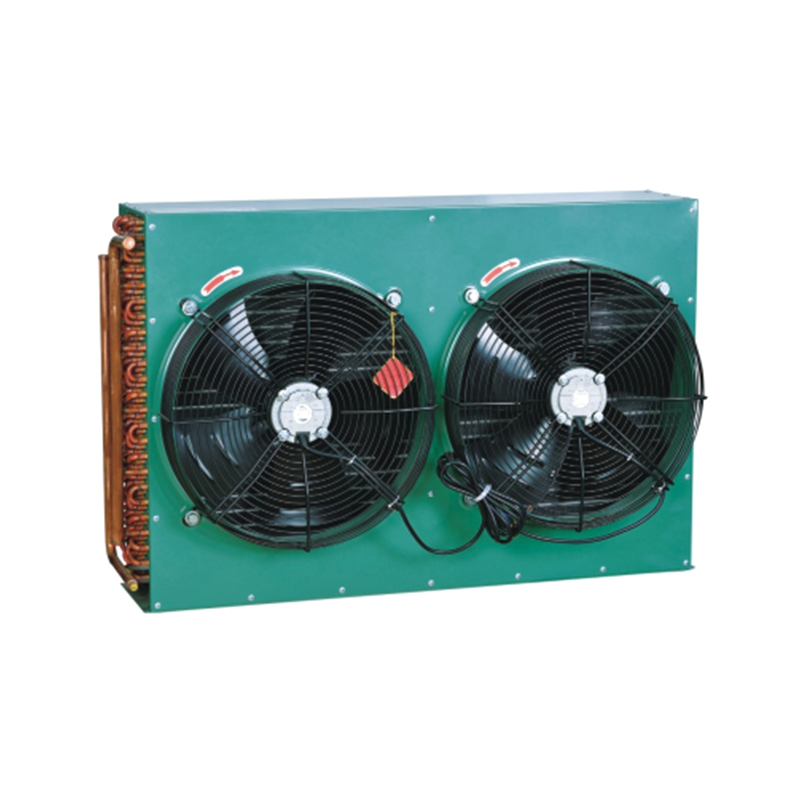
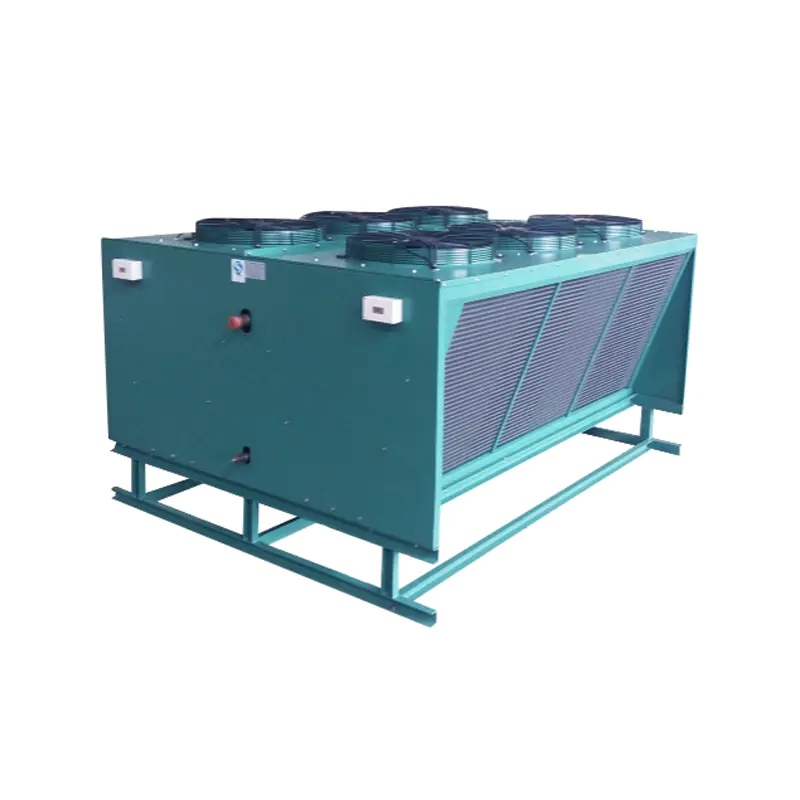
Cooling Method Adaptation: Choose the appropriate type based on the installation environment. Water-cooled units are suitable for large, constant-temperature workshops, offering good heat dissipation but requiring a matching water pump system; air-cooled units are flexible to install and suitable for cold storage or small refrigeration systems.
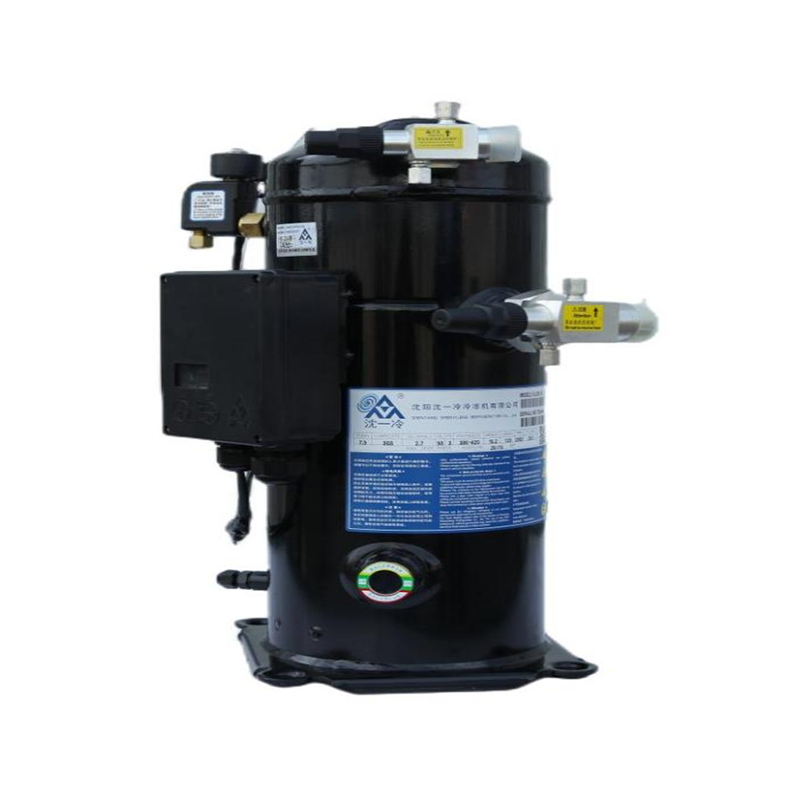
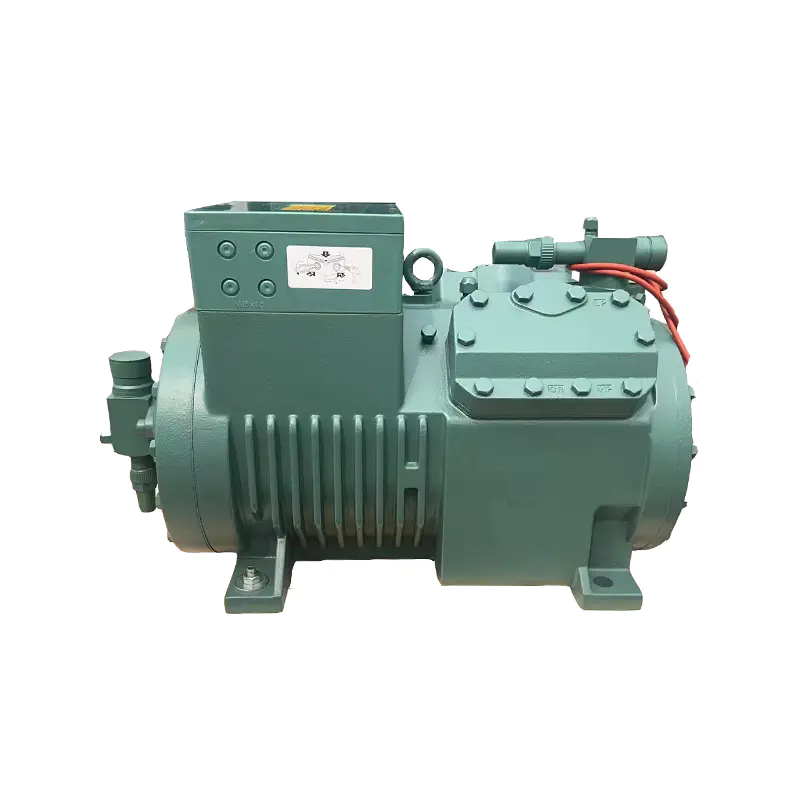
Compressor Technology: Semi-hermetic compressors are a common type; pay attention to their energy efficiency ratio (EER) and operating noise level.
2. Structural Design and Installation Requirements
The physical structure of the condensing unit directly affects its installation space and maintenance costs.
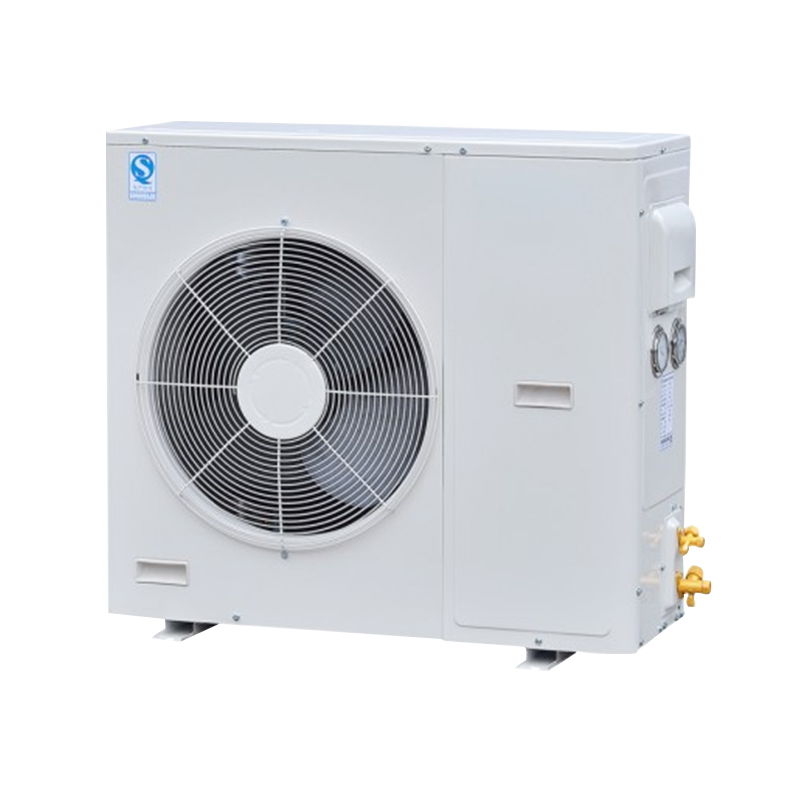
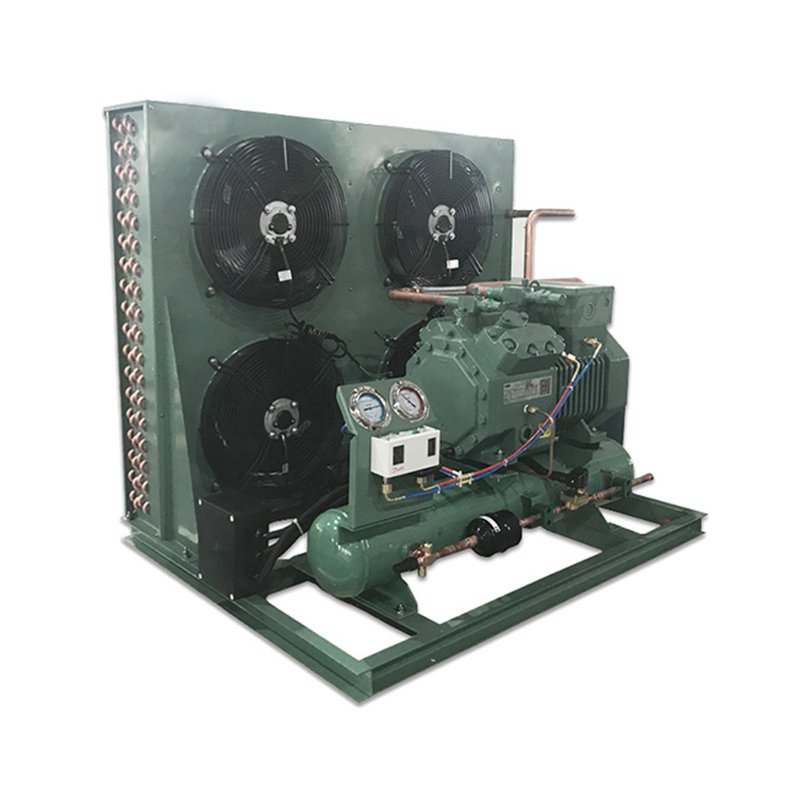
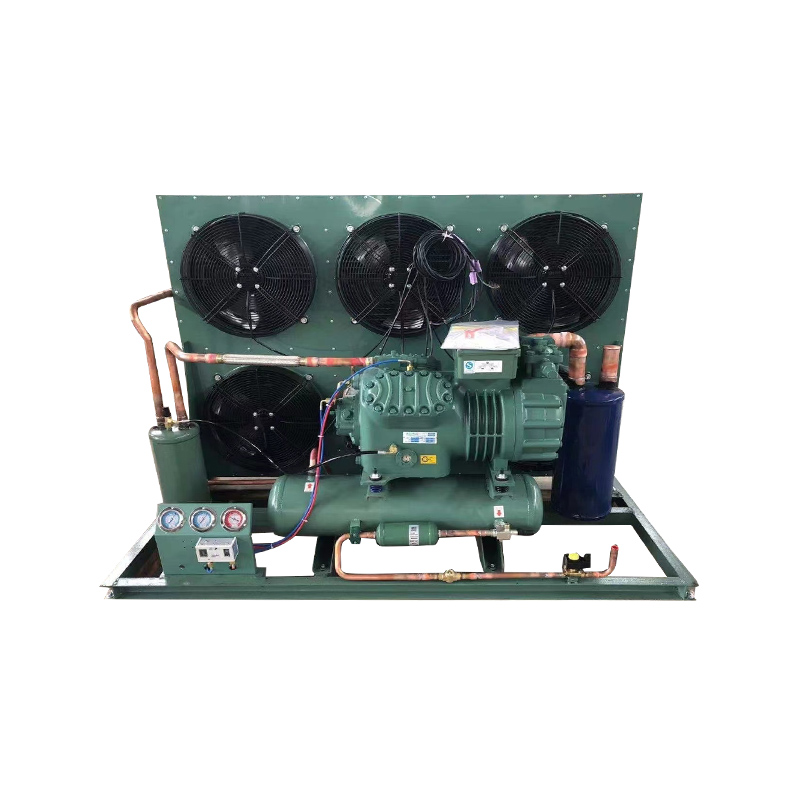
Model Selection (Open Type, Box Type): Box-type units are usually highly integrated and easy to install, suitable for locations with poor external environments; open-type units are easy to maintain and suitable for locations with ample space and requiring frequent inspections.
Size and Space Utilization: The unit's volume directly determines the footprint. Ensure that there is sufficient ventilation space on site, especially for air-cooled units, which require reserved air inlets and outlets.
Customization Needs: For non-standard process refrigeration or special applications (such as pharmaceuticals and food processing), consider communicating with the supplier for special customization.
3. Brand and Supplier Qualifications
Choosing a supplier with strong R&D and quality assurance is crucial. Zhejiang Brozer Refrigeration Technology Co., Ltd.: As a professional condensing unit supplier, the company is ISO 9001 certified and its products cover various fields including refrigeration, freezing, and constant temperature workshops. Its products are exported to over 80 countries and regions, possessing international quality standards and after-sales service network.
R&D Capabilities: Assess whether the supplier possesses independent R&D capabilities, such as whether the R&D team can independently develop advanced products like low-temperature screw compressor units and parallel compressor units to meet specific low-temperature requirements.
Certifications and Standards: Confirm whether the products have passed international certifications such as CE and RoHS, ensuring compliance with local safety and environmental regulations.
4. Operating Costs and Maintenance Convenience
Long-term operating costs often exceed the initial purchase cost.
Energy Efficiency Ratio (EER) and Operating Costs: Pay attention to the unit's energy efficiency ratio. A higher EER indicates less power consumption for the same cooling capacity, resulting in lower long-term operating costs.
Maintenance Design: Check if the unit's filters and heat sinks are designed for easy removal and if it is equipped with fully automatic defrosting functions to reduce maintenance difficulty.
Parts Supply and Repair: Understand the commonality and supply cycle of parts (such as compressors and valves) to ensure quick access to repair support even after the warranty period.