 English
 русский
 Tiếng Việt
1. Visual Inspection and Diagnosis
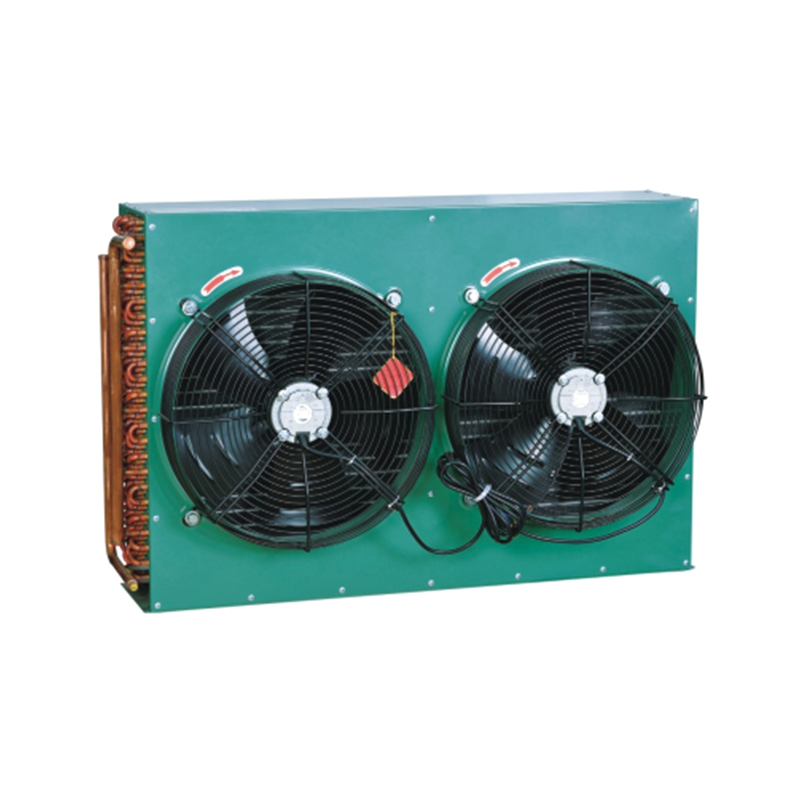
Observe the condenser pipes and fins for rust spots, white deposits, or corrosion marks. Corrosion is often accompanied by discoloration or blistering of the metal surface.
Check pipe joints, flanges, and threads for leaks or damp spots, especially if water droplets appear on the condenser surface after operation.
2. Operating Parameter Comparison
Monitor changes in system pressure, evaporation temperature, and condensation temperature. An abnormally high condensation temperature or a significant increase in compressor power often indicates blockage or leakage obstructing refrigerant circulation.
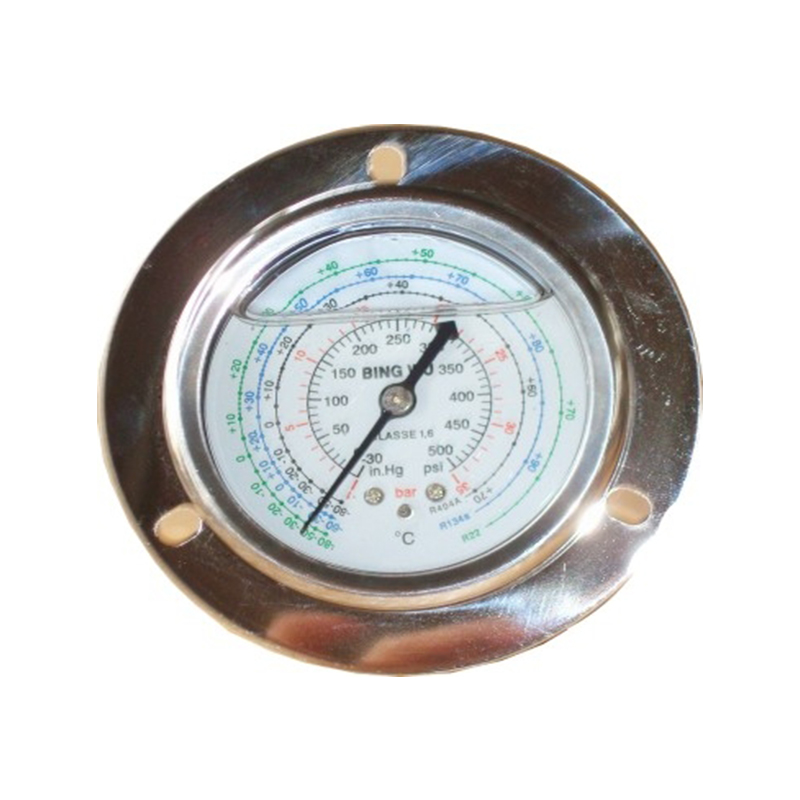
Use pressure gauges or electronic monitoring systems to compare with normal operating curves to quickly locate anomalies.
3. Professional Detection Methods
Use online corrosion monitoring sensors or electrochemical polarization methods to assess the corrosion rate of pipe walls in real time, accurately determining the location and extent of corrosion.
Use helium mass spectrometry or ultraviolet leak detection reagents to inspect suspected leak points, ensuring no minor leaks are missed.
4. Handling Measures
Corrosion: First, clean the surface and treat with corrosion inhibitors or scale inhibitors; if necessary, replace severely corroded pipe sections or the entire unit.
Clogging: Use high-pressure cleaning (such as compressed air or water jet) to remove deposits; for stubborn clogs, use chemical descaling agents.
Leaks: Weld or repair small leaks with special sealant; for large-area leaks, replace the corresponding pipes or the entire unit.